
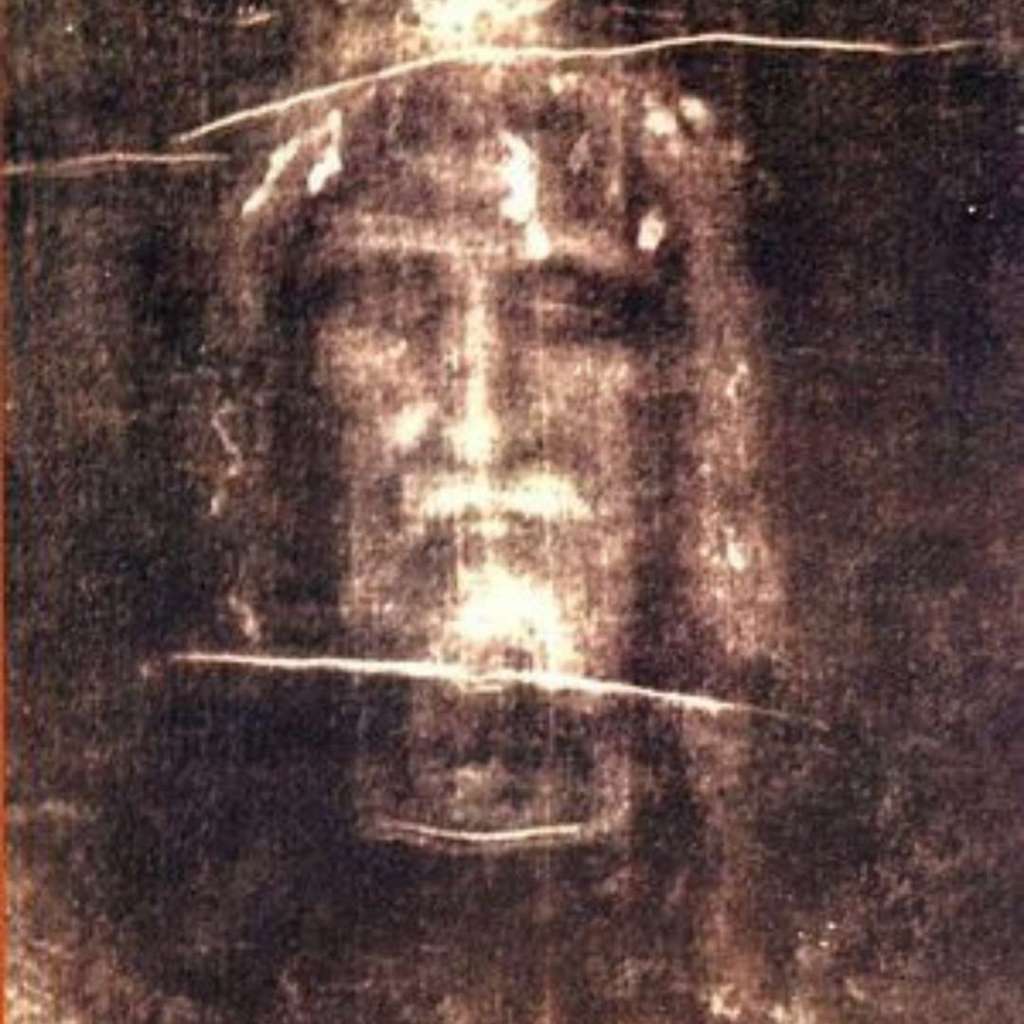
The Shroud of Turin is believed by many to be the burial cloth of Jesus Christ, bearing a faint image of a crucified man. Its mysterious origins and contested authenticity have made it a focal point of both reverence and debate. For believers, the Shroud is a sacred link to Christ’s suffering and resurrection. For skeptics, it is a medieval creation shrouded in myth.
The Shroud’s role as a focal point of faith and evidence has sparked centuries of reflection. Despite its scientific scrutiny, its origins remain unresolved. Its significance lies in its ability to provoke thought and devotion, bridging the realms of belief and doubt. Read more about the Shroud of Turin’s history.
The Shroud of Turin: Faith Imprinted on Cloth
The Shroud of Turin is believed by many to be the burial cloth of Jesus Christ, bearing a faint image of a crucified man. Its mysterious origins and contested authenticity have made it a focal point of both reverence and debate.
For believers, the Shroud is a sacred link to Christ’s suffering and resurrection. For skeptics, it is a medieval creation shrouded in myth.
The Shroud’s role as a focal point of faith and evidence has sparked centuries of reflection. Despite its scientific scrutiny, its origins remain unresolved. Its significance lies in its ability to provoke thought and devotion, bridging the realms of belief and doubt. Read more about the Shroud of Turin’s history.
The Holy Grail: The Pursuit of Divine Favor
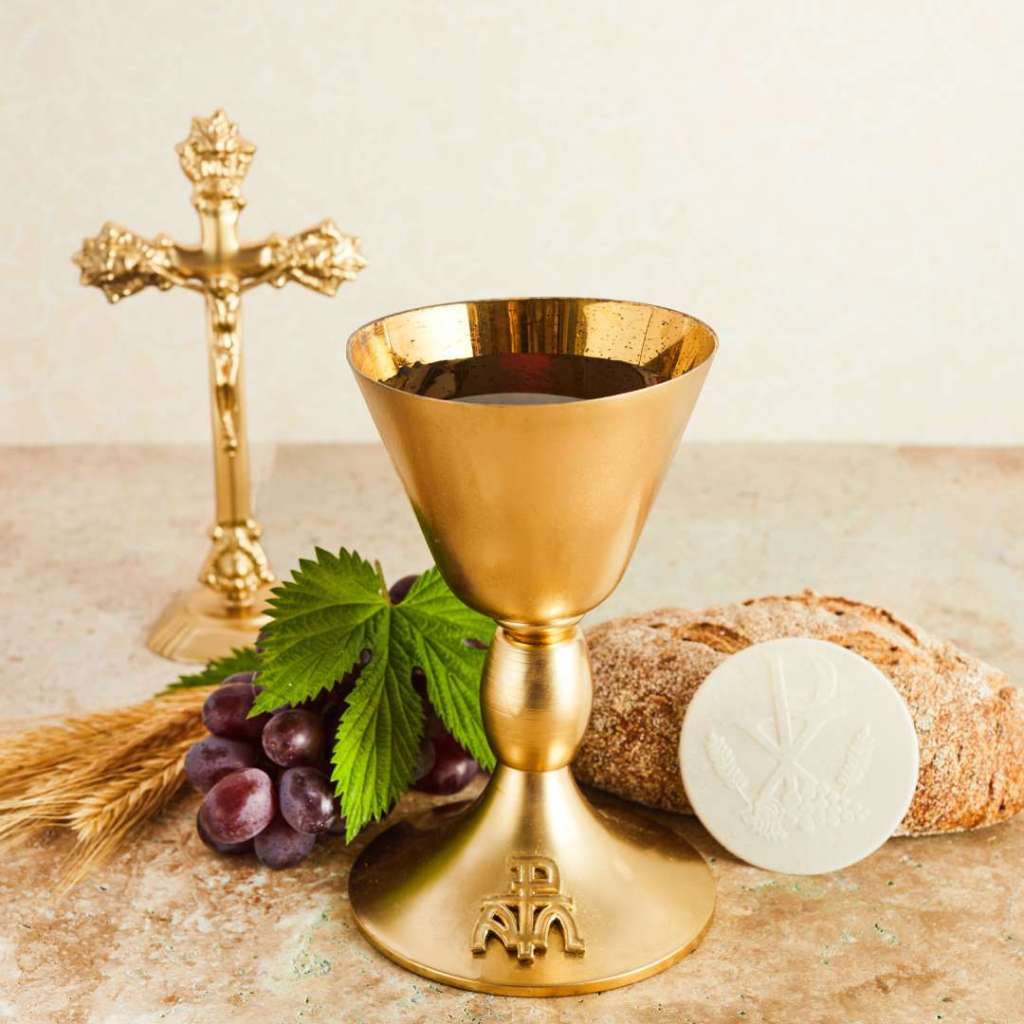
The Holy Grail, often depicted as the cup used by Jesus at the Last Supper, is one of Christianity’s most enduring legends. Unlike the Shroud, which is venerated for its physical presence, the Grail is elusive, its very existence questioned.
It symbolizes the quest for divine grace, purity, and eternal life, inspiring countless stories of knights and seekers risking everything to find it.
Both the Shroud and the Grail serve as bridges between humanity and the divine, but their approaches differ. The Shroud invites contemplation of Christ’s suffering and sacrifice, while the Grail inspires action and the pursuit of spiritual fulfillment. The Grail remains an iconic symbol in literature and culture, influencing works like Le Morte d’Arthur and The Da Vinci Code. Explore more about the Holy Grail’s legend here.
Buddha’s Relics: Sacred Connections to Enlightenment
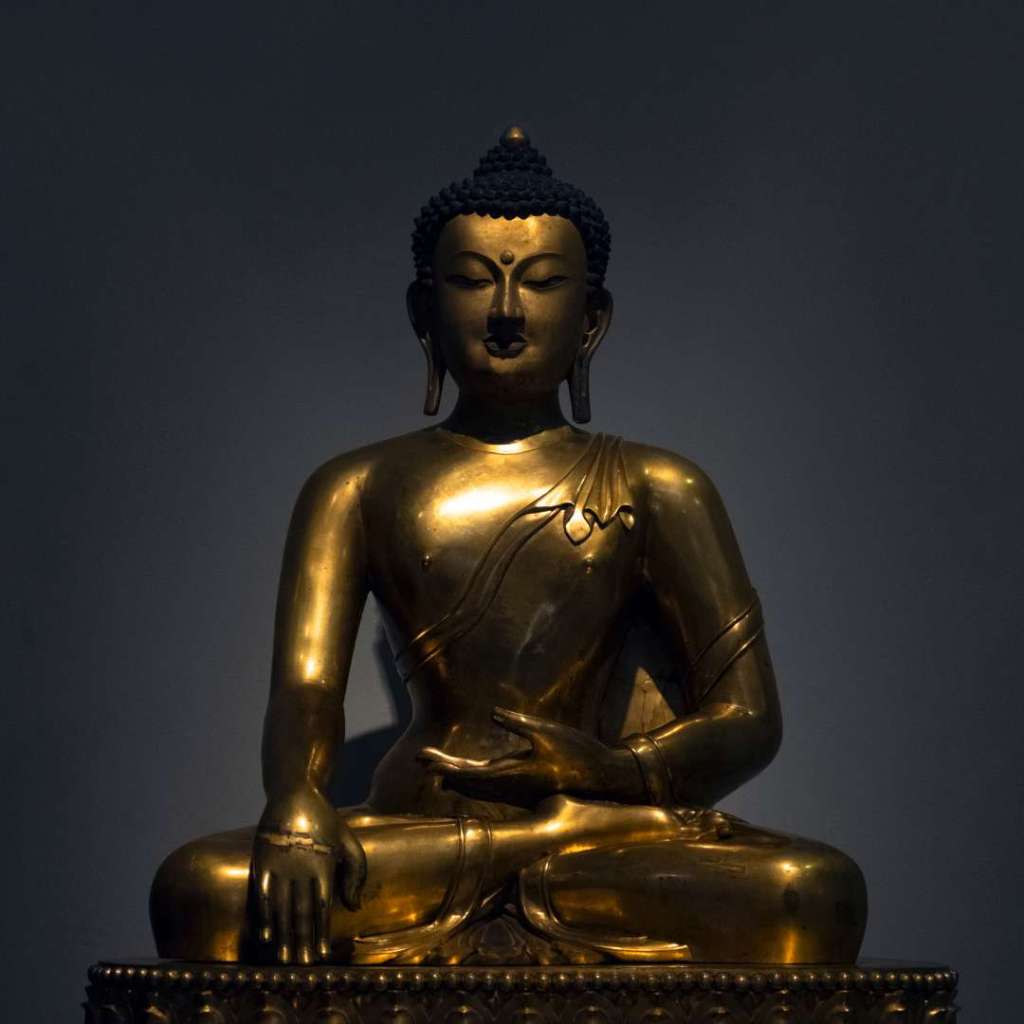
In Buddhism, relics believed to belong to or be associated with the Buddha—such as fragments of bone or teeth—are housed in stupas and venerated as tangible connections to enlightenment.
These relics serve as reminders of the Buddha’s teachings and the path to spiritual awakening. Pilgrims often travel great distances to pay homage to these relics, seeking inspiration and a sense of connection to the Buddha’s life and wisdom.
Like the Shroud, Buddha’s relics provide a physical point of contact with a revered figure. Both symbols transcend their material nature, becoming vessels for deeper spiritual meaning. Discover more about Buddha’s relics.
The Ark of the Covenant: Power and Mystery
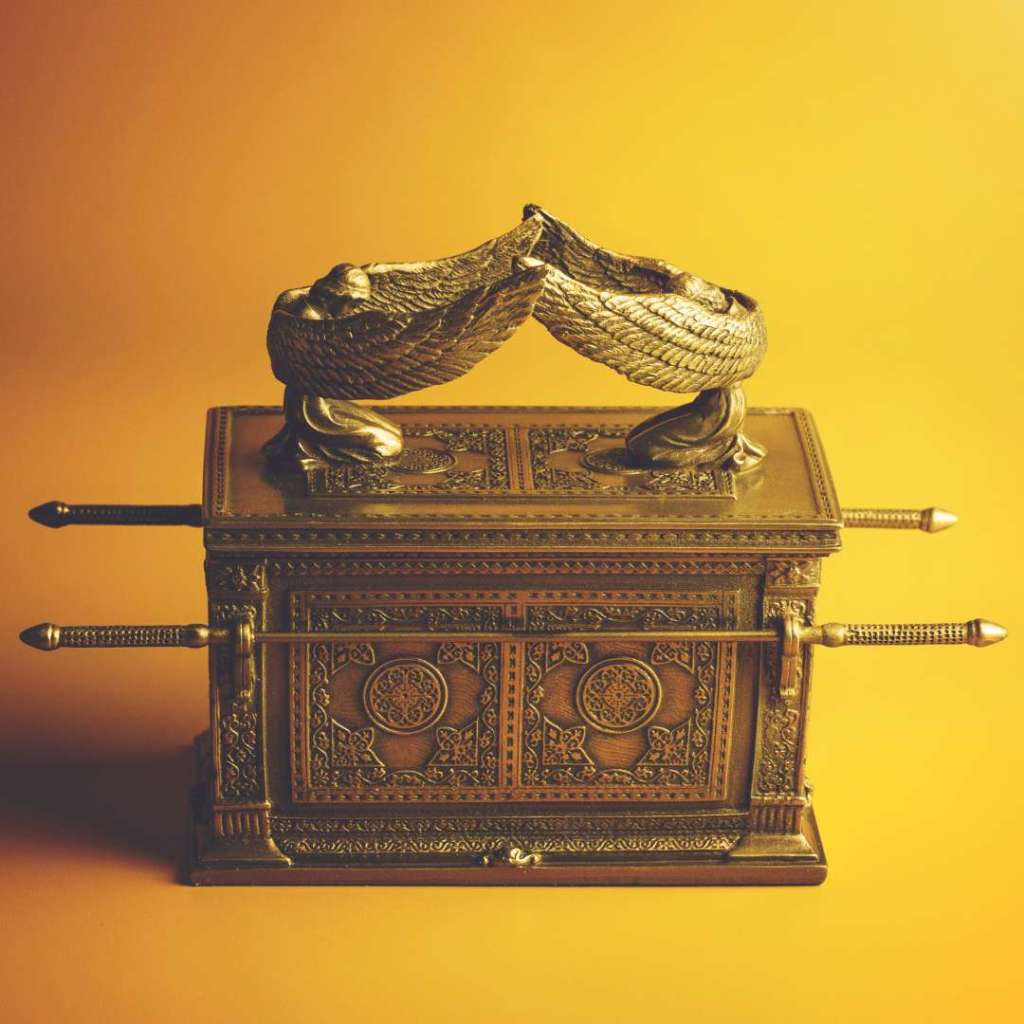
The Ark of the Covenant, described in the Hebrew Bible as a chest containing the stone tablets of the Ten Commandments, represents God’s covenant with the Israelites.
It is a symbol of divine presence and power, often depicted as both a source of blessings and a force to be reckoned with. Stories of the Ark emphasize its sacredness, warning of dire consequences for those who approach it irreverently.
In contrast to the Shroud, which invites personal reflection, the Ark commands reverence and awe, symbolizing divine authority. The Ark’s dual role as protector and enforcer illustrates the complexities of faith’s intersection with human experience. Learn about the Ark’s historical significance.
Universal Themes: Symbols as Conduits for the Divine
Across cultures, religious artifacts serve as more than physical objects; they become conduits for the divine, embodying the intangible aspects of faith. Whether it’s the Shroud, the Grail, Buddha’s relics, or the Ark, these symbols share key qualities:
- Tangible Representation: They offer physical forms for abstract spiritual concepts, making the divine accessible to believers.
- Inspiration for Devotion: These artifacts inspire pilgrimage, worship, and artistic expression, becoming focal points for collective and individual spirituality.
- Ambiguity and Mystery: Their origins and meanings often remain uncertain, inviting ongoing reflection and interpretation.
Reflection Prompt: What Symbols Mean to You
The Shroud of Turin and other religious artifacts remind us that symbols are not just relics of the past—they are active participants in our spiritual lives. They connect us to larger stories, inspiring devotion and introspection.
Consider these questions:
- What objects or stories hold deep spiritual significance for you?
- How do they shape your understanding of faith, identity, or purpose?
- Can doubt and belief coexist in your relationship with these symbols?
Conclusion: Bridging Faith and Mystery
From the Shroud of Turin to the Ark of the Covenant, religious artifacts transcend their physical forms, becoming vessels for meaning and connection. These symbols remind us that faith is not about finding definitive answers but about embracing the journey.
Let these artifacts inspire you to engage with the mysteries of faith and reflect on the symbols that shape your life.
References
- Britannica, T. Editors of Encyclopaedia. “Holy Grail.” Encyclopedia Britannica. https://www.britannica.com/topic/Holy-Grail.
- Britannica, T. Editors of Encyclopaedia. “Ark of the Covenant.” Encyclopedia Britannica. https://www.britannica.com/topic/Ark-of-the-Covenant.
- Shroud.com. “The Shroud of Turin: Historical Overview.” The Shroud of Turin Website. https://www.shroud.com/history.htm.
- Buddhanet.net. “Buddha’s Relics and Holy Sites.” Buddhanet. https://www.buddhanet.net/e-learning/buddhistworld/holy-sites.htm.
 Robert Parsons