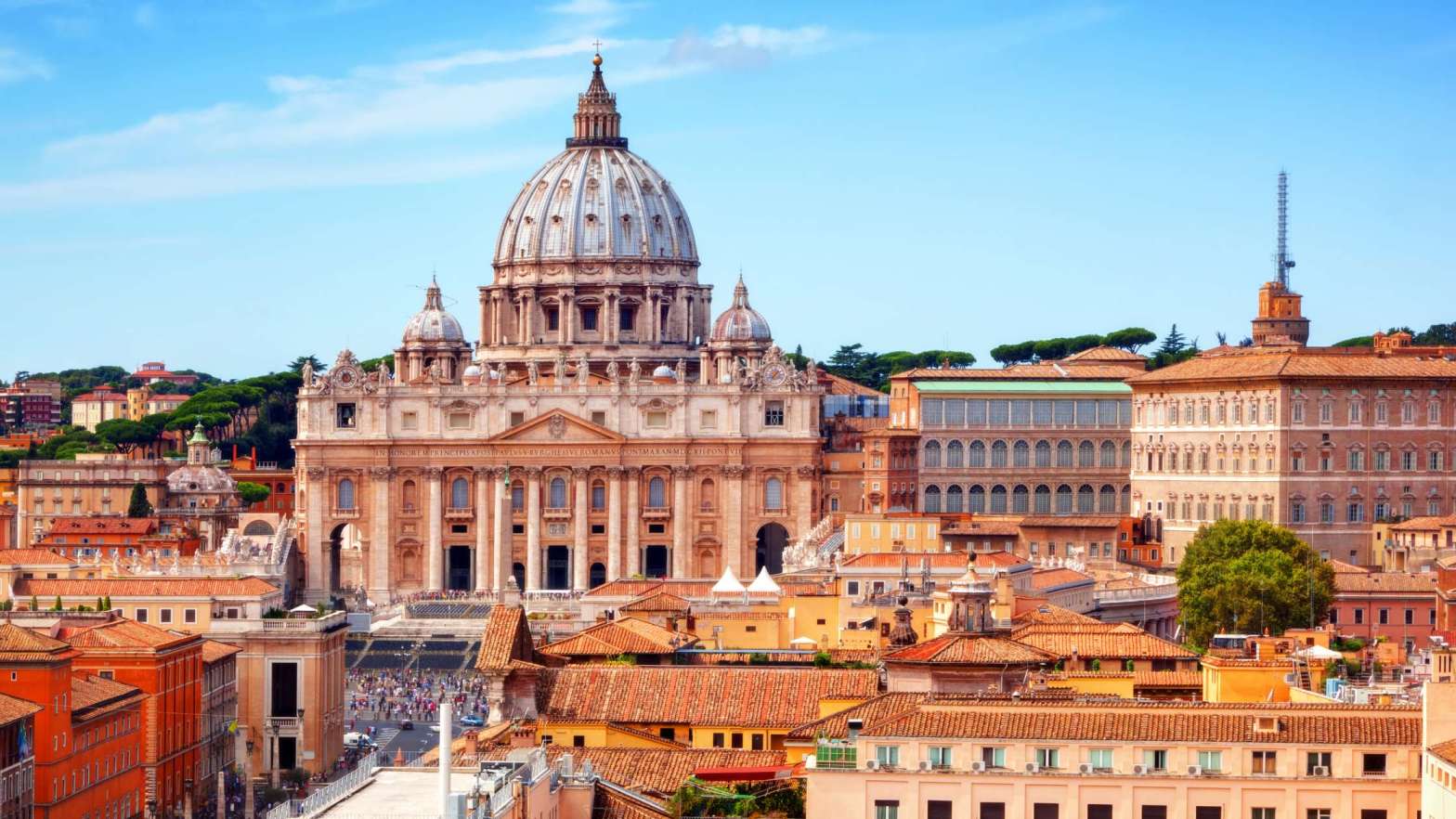
For centuries, Vatican City has stood as the spiritual heart of Catholicism, a fortress of faith, and a symbol of religious authority. But beyond the grand basilicas and Michelangelo’s frescoes lies something more elusive: a vault of untold knowledge.
The Vatican is not just the seat of the Pope—it is one of the most secure repositories of historical documents, religious relics, and, some argue, hidden truths that could reshape our understanding of history.
Among these mysteries is the Shroud of Turin, an object that continues to ignite debate between faith and science. But this raises a deeper question: If the Vatican is the guardian of history, why does it guard so many secrets?
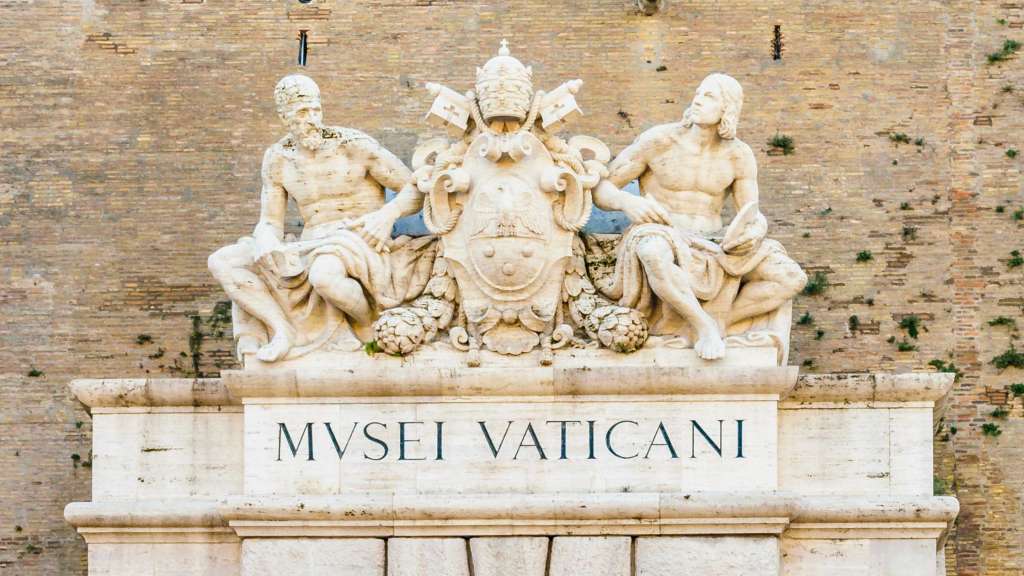
Why Do People Believe in God? The Vatican’s Role in Shaping Faith
Belief in God is as old as human civilization itself, but the institutionalization of that belief has always involved power, control, and the gatekeeping of knowledge. The Catholic Church presents itself as the original and universal faith, tracing its roots to the birth and death of Jesus Christ. But if it is truly the guiding light of divine truth, why are so many of its records locked away from public view?
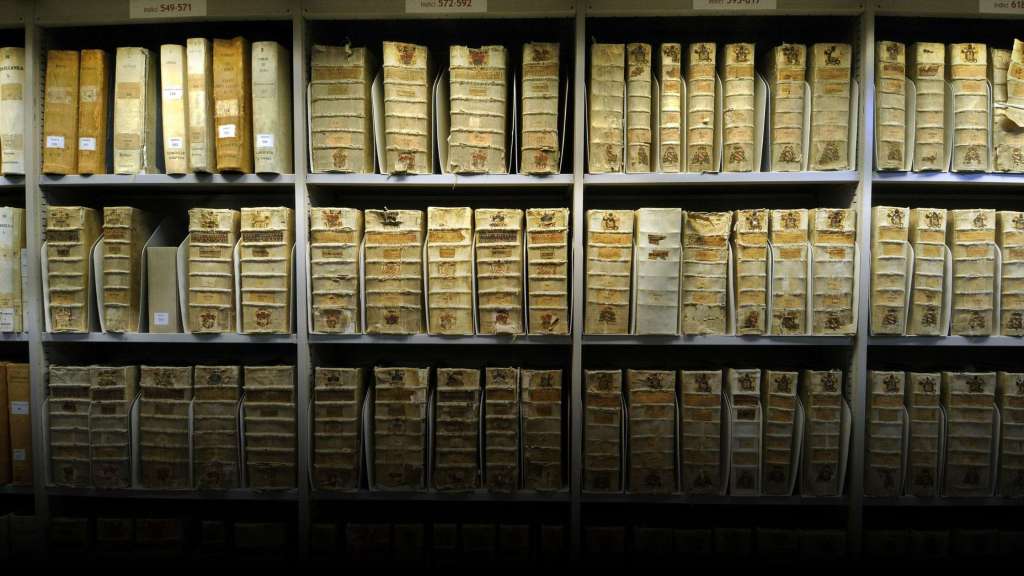
The Vatican’s vast archives reportedly contain over 50 miles of shelving, holding centuries of papal correspondence, doctrinal decrees, and records that could change the way we understand Christianity. There is no public catalog of everything stored within its walls, and access is strictly controlled.
Some of the Church’s most sacred claims—such as the authenticity of the Shroud of Turin—are shrouded (pun intended) in this veil of secrecy.
The Shroud of Turin: Faith, Forensics, and Vatican Control
The Shroud of Turin, believed by many to be the burial cloth of Jesus Christ, has been a subject of fascination and controversy for centuries. If the Vatican holds definitive proof of its authenticity—or its fabrication—why not release it?
Consider this: When people were crucified in the Roman era, they were stripped naked. The execution was meant to be as humiliating as it was painful. If a burial shroud existed, it would have been a privilege, not a standard practice. So why does the image on the Shroud show a modestly covered figure? Could this be an artistic interpretation, created centuries later to align with religious sensibilities?
And if the Vatican possesses further evidence—texts, relics, or forensic studies—why does it maintain an air of mystery instead of offering full transparency?
The Vatican, Secrecy, and the Power of Knowledge
Throughout history, the Church has carefully curated what it reveals to the public, often prioritizing preservation of its power over full disclosure.
This is not speculation; history shows us how information was controlled for centuries:
The Handling of Child Abuse Scandals – The Vatican has repeatedly been accused of shielding priests from justice rather than addressing systemic abuse within the Church. The Australian Royal Commission into Institutional Responses to Child Sexual Abuse revealed that the Vatican obstructed investigations rather than cooperating fully.
The Suppression of Religious Texts – Dozens of gospels and writings from early Christianity were excluded from the Bible we know today. The Gospel of Thomas, the Gospel of Mary Magdalene—why were these voices silenced?
Galileo and the Church’s War on Science – In the 17th century, Galileo was tried for heresy for proving that the Earth orbits the Sun, contradicting Church teachings. His punishment? House arrest for the rest of his life.
Antisemitism, Judaism, and the Catholic Church
The Catholic Church has also had a long and fraught history with Judaism, marked by centuries of discrimination and forced conversions. Some of this history remains buried in the Vatican Archives.
For example, during World War II, Pope Pius XII remained largely silent on the Holocaust. Declassified Vatican documents might reveal more about the Church’s role during this period, but access to such records has been limited. If the Church stands for truth, why does it not take full accountability?
The Final Question: Should the Vatican Reveal Everything?
Knowledge is power, and centralized knowledge is the greatest power of all. The Vatican holds documents that could answer some of history’s most pressing questions—about religion, morality, and human history itself.
So why not release a comprehensive list of everything in the archives? Why maintain a system where only select scholars, under strict limitations, are granted access? What does the Church fear?
This is not an attack on faith. Rather, it is a call for honesty. If belief in God is to be based on truth, shouldn’t the guardians of that faith practice full transparency?
History demands answers. Maybe it’s time the Vatican starts providing them.
Faith, Truth, and the Human Spirit
“Much like Michael Battersby’s relentless pursuit of Joseph’s Letter—seeking proof of something greater, something eternal—we too find ourselves in search of meaning beyond what is immediately tangible. Whether through faith, love, or the desire to leave a lasting impact, the human spirit is drawn to uncovering deeper truths. And perhaps, in that search, we find not just answers, but the courage to believe in the unseen.
Download the first chapter of Joseph’s Letter for free by subscribing to our newsletter.
 Robert Parsons