
The Chinon Parchment: The Hidden Exoneration of the Knights Templar
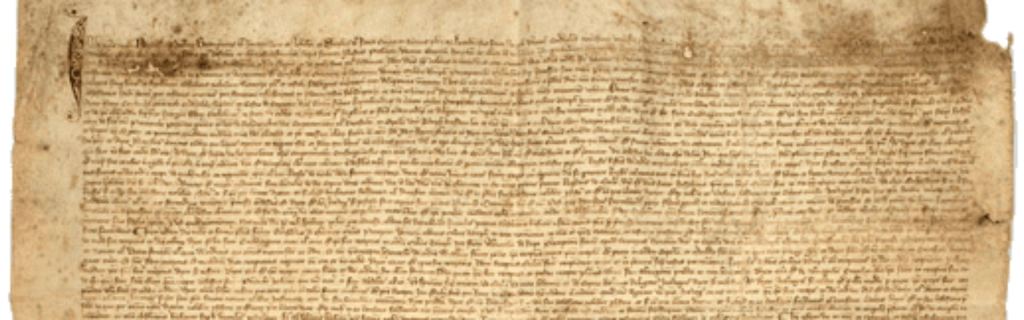
One of the Vatican’s most significant hidden records is the Chinon Parchment, discovered in 2001. This document revealed that Pope Clement V had secretly absolved the Knights Templar of heresy in 1308—contradicting the historical narrative that the Templars were guilty.
For centuries, the belief that the Templars were heretics shaped history. Had this document been publicly available, it could have changed how the world viewed medieval Christianity (History.com).
The Three Secrets of Fátima: What Was the Vatican Hiding?
In 1917, three Portuguese children claimed to have received visions from the Virgin Mary, who entrusted them with three secrets.
The first two were revealed in 1941, but the third remained a secret until 2000. The Vatican’s decision to withhold it for nearly 60 years led to wild speculation that it contained apocalyptic prophecies. Even after its release, some questioned whether the full truth had been shared (Wikipedia).
The Apostolic Penitentiary: The Vatican’s Confidential Tribunal
The Apostolic Penitentiary is a tribunal within the Catholic Church that handles cases of grave sins so serious that only the Pope can absolve them.
For centuries, even the existence of this tribunal was a secret. It was only publicly acknowledged in 2009, despite the fact that it had been in operation for centuries. The secrecy surrounding these absolutions has only fueled speculation about what remains hidden behind closed doors (The Week).
The Ethics of Secrecy in Religion
Religious institutions are meant to serve as moral guides, standing for truth and justice. Yet, when secrecy exists within these institutions, it often serves to protect the institution rather than the people it claims to serve.
This has been most evident in recent scandals, particularly involving the cover-up of clergy abuse. Investigations have revealed that Church officials prioritized protecting their reputation over addressing these crimes, leading to widespread criticism and demands for greater transparency (OSV News).
Stephen White, executive director of The Catholic Project, has stated that “transparency is the remedy to scandal, not the cause of it” (OSV News).
If an institution claims to stand for truth, it should not hesitate to make truth available.

What Faith Can Learn From Libraries
Libraries provide an example of what true openness looks like. They empower individuals by making history, science, philosophy, and religious texts available for anyone who seeks knowledge.
Imagine if religious institutions adopted the same approach. What if the Vatican made historical texts available to all? What if individuals were encouraged to examine history rather than accept authority without question?
Faith should not rely on secrecy. Truth should be shared.
A Call for Transparency
If the Catholic Church truly believes in honesty and the pursuit of truth, it must embrace greater openness. This could mean:
- Providing public access to historical documents
- Addressing past cover-ups with full transparency
- Making religious history and decision-making open for discussion
The Catholic Church holds an immense amount of historical knowledge. Sharing that knowledge could strengthen faith rather than weaken it. The power of religion should come from its teachings, not from what remains hidden.
Truth, Faith, and the Human Spirit
“In Joseph’s Letter, Michael Battersby believes that if he can uncover the right information, everything will make sense. He assumes that once the truth is found, faith will no longer be uncertain. But as he progresses, he learns that truth is often hidden not because it is lost, but because it has been kept from those who seek it. His journey is not just about finding knowledge, but about confronting the reasons why it has been withheld. The same applies to institutions that claim to serve truth. If faith is real, then the truth should never need to be concealed.”
Get the first chapter of Joseph’s Letter for free by subscribing to our newsletter.
Final Thoughts
Libraries remind us that truth should be shared. The Catholic Church and other religious institutions face a choice. They can remain locked in secrecy, or they can embrace transparency.
If faith is grounded in truth, then truth should be accessible to all.
For more information on the Vatican Apostolic Archive, visit the official Vatican Archives website.
 Robert Parsons