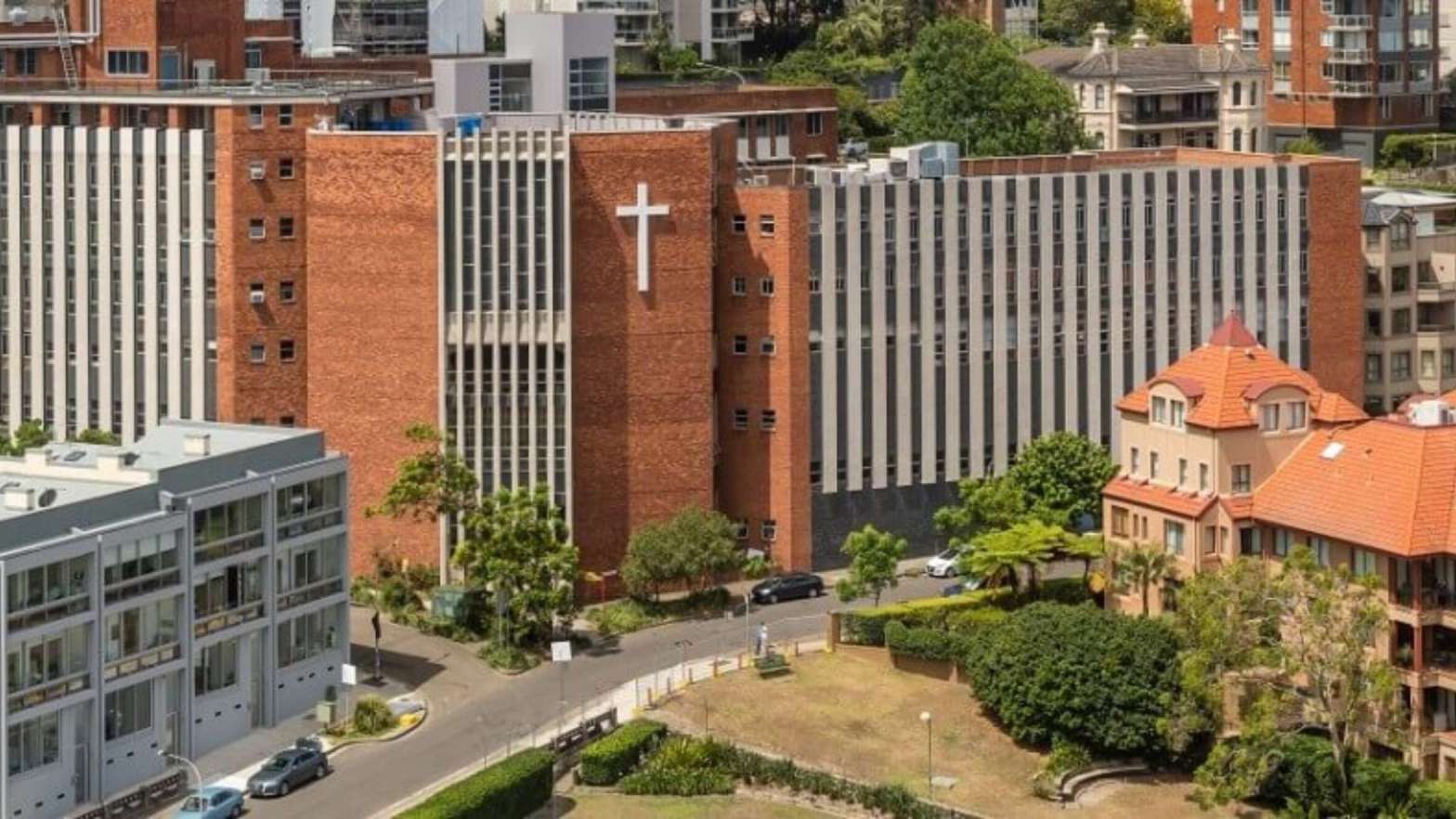
Catholic education plays a significant role in Australia’s school system, with one in four students attending a Catholic school. This makes the Catholic Church one of the most powerful forces in the country’s education system, shaping the education of nearly 20% of Australia’s student population.
Despite being private institutions, Catholic schools receive billions of dollars in public funding, yet they operate under a governance structure that limits external oversight. The power of the Catholic dioceses means that bishops hold unchecked authority over schools, making key decisions with little to no government intervention.
While Catholic schools have long been recognized for their academic excellence, historical and recent failures in accountability have revealed the dangers of an unchecked institution. The Royal Commission into Institutional Responses to Child Sexual Abuse exposed shocking patterns of institutional cover-ups and protection of perpetrators.
This raises serious concerns about the lack of accountability within the Catholic school system and poses a crucial question—who do these schools truly serve? Do they prioritize the well-being of students, or do they act in the interests of the institution and its power?
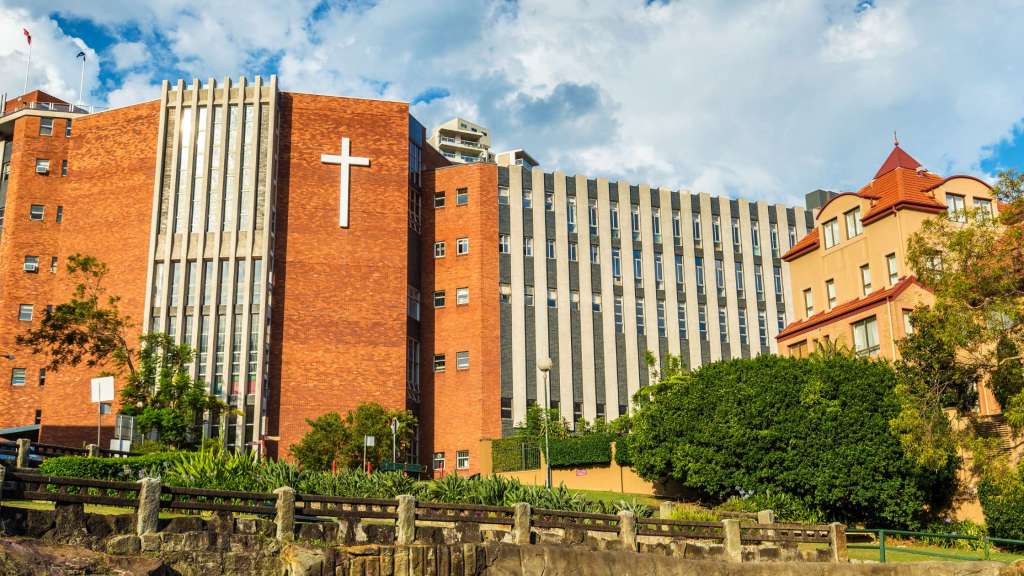
Catholic Dioceses and Their Lack of Transparency
Unlike public schools, Catholic schools are not governed by a centralized education department. Instead, they operate under a diocesan system, where bishops hold supreme authority over policies, staffing, and internal disciplinary matters.
This model has allowed dioceses to function like independent kingdoms, with each bishop acting as the final decision-maker. Unlike government-run institutions, Catholic schools are not subjected to the same levels of scrutiny, external audits, or mandatory accountability measures.
The lack of government oversight has created a system where institutional secrecy is common. Without transparency, cases of misconduct have historically been handled within the Church, rather than through legal and judicial channels. Allegations of wrongdoing—including instances of child abuse—were often addressed internally, with minimal external intervention.
In many cases, clergy accused of misconduct were simply transferred to other schools or parishes, rather than being investigated properly. This structure has been one of the greatest enablers of institutional cover-ups in Australian history.
Comparing Catholic Schools in Australia and the U.S.
While Catholic schools hold significant influence in Australia, their role in other countries, particularly the United States, differs in scale and governance. In Australia, nearly one in four students is enrolled in a Catholic school, making the Church a dominant force in education.
In contrast, in the United States, Catholic schools represent only about 6.3% of the total K-12 student population. Unlike Australia, where Catholic schools receive billions in public funding, American Catholic schools receive little to no direct government support and rely more heavily on private tuition and donations.
The difference in governance is also notable. In the United States, state laws regulate aspects of private education, meaning that Catholic schools are often subject to external oversight in ways that Australian Catholic schools are not.
While cases of abuse have also been documented within American Catholic institutions, the scale and systemic nature of cover-ups have not reached the same levels of exposure as in Australia.
This contrast highlights how government oversight and funding structures play a significant role in institutional accountability. In Australia, the Church enjoys both public funding and self-governance, a combination that has allowed misconduct to go unchecked for decades.
The Royal Commission and the Failure to Protect Children
The Royal Commission into Institutional Responses to Child Sexual Abuse, launched in 2013, was one of the most comprehensive investigations into child abuse ever conducted.
Over five years, it examined how institutions—including Catholic schools, churches, and other religious organizations—handled allegations of abuse. The findings were deeply troubling, exposing a pattern of systematic cover-ups and failures.
The Commission’s report revealed that 7% of Catholic priests working between 1950 and 2010 had been accused of child sexual abuse. More than 4,400 allegations were made against members of the Church, yet in many cases, these allegations were ignored or actively concealed.
Survivors who attempted to speak out were often dismissed, silenced, or pressured into secrecy. The Church frequently protected perpetrators, moving them to different schools and parishes rather than removing them from positions of authority.
Perhaps the most shocking revelation was that Church leaders routinely failed to report cases of abuse to law enforcement. Instead of prioritizing justice for victims, bishops and school administrators sought to protect the reputation of the Church.
Many survivors were even forced into confidential settlements, which prevented them from speaking publicly about their experiences. The findings of the Royal Commission undeniably proved that institutional self-preservation had been placed above the safety and well-being of children.
Reforming Catholic Schools: A Call for Transparency and Accountability
The lessons from the Royal Commission should serve as a blueprint for reform, not just in Australia but for Catholic institutions worldwide. Moving forward, several fundamental changes are needed to ensure faith-based schools prioritize child protection over institutional reputation.
Mandatory External Oversight
Catholic schools must be held to the same level of accountability as public schools. This includes regular government audits of child safety practices, external reviews of misconduct cases, and transparency in school policies. Currently, there is no national Catholic education authority overseeing all Catholic schools in Australia. Instead, dioceses operate independently, meaning there is no uniform standard for child protection measures. A national regulatory body for faith-based schools would provide greater consistency and accountability.
Mandatory Reporting Laws Must Apply Universally
One of the biggest failures exposed by the Royal Commission was the fact that many Church officials refused to report abuse cases. Some bishops even invoked the “seal of confession” as a reason to withhold knowledge of crimes. Religious institutions must be legally required to report all allegations of abuse to law enforcement, not just internal Church bodies. The Church should not be allowed to operate outside the boundaries of the legal system when it comes to criminal acts.
Justice for Survivors
The Church must move beyond public apologies and take real action to support survivors. This includes:
- Providing financial restitution for survivors who suffered abuse in Church-run schools.
- Publicly acknowledging the failures of past leadership in order to rebuild trust.
- Ensuring that individuals who covered up abuse are removed from positions of power.
Justice cannot be fully realized until the Church acknowledges the full scope of its failures and takes concrete steps to prevent further harm.
The Future of Catholic Education Must Be Transparent
Catholic schools continue to play an important role in Australia’s education system, but trust in these institutions has been broken. The Royal Commission’s findings should be a turning point, demonstrating that no institution—no matter how powerful—should be above accountability.
For the Catholic Church to continue providing education in Australia, it must commit to complete transparency. The safety and well-being of students must always come before the reputation of the Church.
Moving forward, government oversight must be strengthened, reporting laws must be enforced, and survivors must receive the justice they deserve. The days of institutional secrecy and unchecked power must come to an end.
Truth, Faith, and the Human Spirit
“In Joseph’s Letter, Michael Battersby believes that if he can uncover the right information, everything will make sense. He assumes that once the truth is found, faith will no longer be uncertain. But as he progresses, he learns that truth is often hidden not because it is lost, but because it has been kept from those who seek it. His journey is not just about finding knowledge, but about confronting the reasons why it has been withheld. The same applies to institutions that claim to serve truth. If faith is real, then the truth should never need to be concealed.”
Get the first chapter of Joseph’s Letter for free by subscribing to our newsletter.
For further reading, visit the Royal Commission website.
 Robert Parsons