
For centuries, the Catholic Church has been one of the most powerful religious institutions in the world, influencing millions through its teachings, traditions, and moral guidance.
Yet, beneath its sacred vows and sermons, the Church has also been plagued by one of the most devastating scandals in modern history: the widespread sexual abuse of children and its systematic cover-up.
From Boston to Australia, the scope of the crisis has left lasting scars on victims, shaken the faith of believers, and forced a global reckoning on accountability and justice.
This blog explores the history, key cases, institutional failures, and ongoing efforts for justice—while asking some difficult but necessary questions about the future of the Catholic Church and its moral standing in society.
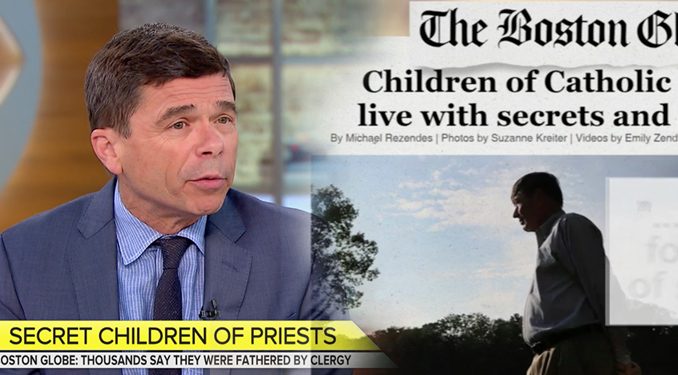
Image source: Catholic World Report
The Boston Scandal: A Turning Point in Global Awareness
While cases of abuse within the Catholic Church had been whispered about for decades, it was Boston in 2002 that forced the world to pay attention. Investigative journalists at The Boston Globe uncovered a decades-long pattern of priests abusing minors and the Church systematically covering it up.
The report revealed how the Archdiocese of Boston, under Cardinal Bernard Law, knowingly reassigned abusive priests instead of removing them, allowing them to continue harming children.
The impact was seismic. Hundreds of victims came forward, lawsuits were filed, and Cardinal Law eventually resigned (though he was later reassigned to a prestigious position in the Vatican). The Boston revelations triggered a wave of similar investigations worldwide, proving that the crisis was not confined to one diocese or country—it was a global problem.
Read The Boston Globe’s Pulitzer-winning exposé on the abuse scandal.
The Australian Reckoning: The Royal Commission and Its Findings
In Australia, the issue reached national attention in the early 2000s, but it wasn’t until 2013 that the Australian government launched the Royal Commission into Institutional Responses to Child Sexual Abuse. This was one of the most comprehensive inquiries into child abuse ever conducted, spanning five years, hearing from over 8,000 survivors, and exposing decades of systemic failures within religious and non-religious institutions.
Among its most shocking findings:
- Over 4,400 allegations of child sexual abuse in Catholic institutions alone.
- 62% of reported offenders were priests.
- The average time between abuse and reporting was 33 years, highlighting the trauma and difficulty survivors faced in speaking out.
- Church leaders, including Cardinal George Pell, were accused of actively covering up abuse cases.
The final report made 189 recommendations, including mandatory reporting laws and structural reforms to ensure greater transparency. Despite this, critics argue that the Church’s response remains insufficient, as many leaders continue to resist full accountability.
Read the final report of the Royal Commission into Institutional Responses to Child Sexual Abuse.
The Culture of Silence and Cover-Ups
The abuse crisis was not just about individual predators—it was about an institution that protected them. Key patterns emerged across multiple countries:
- Reassigning accused priests instead of removing them.
- Pressuring victims to stay silent, often through settlements that included non-disclosure agreements.
- Destroying records of allegations instead of reporting them to law enforcement.
- Prioritizing the Church’s reputation over the protection of children.
Why did this happen? One reason is the Church’s hierarchical and insular nature. The vow of obedience meant that lower-ranking priests and bishops followed orders without question. The emphasis on avoiding scandal led to internal handling of complaints rather than involving authorities.
Does the Church still prioritize protecting itself over its victims? What more can be done to ensure real accountability?
The Vatican’s Response: Too Little, Too Late?
The Vatican has long been criticized for its slow and inadequate response. While Pope Francis has made some efforts toward reform, including:
- Establishing a global abuse reporting system.
- Defrocking abusive priests.
- Hosting a summit on sexual abuse in 2019.
Many argue that these actions are symbolic rather than systemic. Survivors demand real institutional change, such as:
- Eliminating the secrecy surrounding abuse investigations.
- Holding bishops and cardinals accountable for cover-ups.
- Providing financial compensation and psychological support for victims.
Yet, the Vatican still refuses to release many internal documents, raising concerns about whether it is truly committed to transparency.
Read Pope Francis’s 2019 statement on clergy abuse.
Survivor Justice: What Progress Has Been Made?
Despite the slow progress, survivors have fought tirelessly for justice. Their efforts have led to:
- Millions in compensation payouts, though some argue this does not erase the trauma.
- Changes in laws making it easier to prosecute historical abuse cases.
- A cultural shift in how abuse survivors are treated, with more awareness and support services.
However, challenges remain. Many survivors are still battling legal and financial barriers, and some fear that as media attention fades, so will the pressure for change.
Is justice ever truly possible in such cases? How can institutions ensure survivors receive the support they need?
The Moral and Theological Crisis: Can the Church Regain Trust?
Beyond legal and financial consequences, the abuse scandal has led to a deep crisis of faith. Many Catholics have left the Church, unable to reconcile their beliefs with an institution that enabled such atrocities.
This leads to fundamental questions:
- Can the Catholic Church ever restore its moral authority?
- Is it enough to punish individual offenders, or does the entire structure need reform?
- How can believers separate their faith from the institution that betrayed it?
For some, faith remains personal and separate from the failings of Church leadership. For others, the scandal has shattered their belief in organized religion altogether.
Final Reflection: A Church at a Crossroads
The Catholic Church stands at a moral crossroads. It can either fully embrace transparency and accountability or risk further erosion of its influence and credibility. The abuse scandal has already caused untold suffering and a massive loss of trust—but it is not too late for meaningful reform.
Perhaps the greatest lesson from these scandals is that institutions should never be placed above individuals, especially children. If faith is to mean anything, it must stand for justice, protection, and truth—not secrecy and silence.
But will the Church learn from its past, or will history repeat itself?
Further Reading & Resources
- The Boston Globe’s investigative report on the abuse scandal
- Australian Royal Commission’s final report on institutional child abuse
- Pope Francis’s 2019 speech on clergy abuse
What do you think? Can the Catholic Church truly reform, or is the damage irreversible? Share your thoughts below.
A Call to Curiosity
If this discussion made you think, you’ll love Joseph’s Letter—a novel that asks the hard questions about faith, religious education, and personal conviction. Get the first chapter free and see where the journey takes you.
 Robert Parsons