
For many children, school is where they first encounter rules, authority, and the early seeds of their identity. In Catholic schools, these lessons are often intertwined with religion—structured, routine, and sometimes unquestioned. For some, it provides a sense of moral grounding.
For others, it is just another subject to get through before the bell rings. But what happens when religious education is not just passive learning but an active force that shapes a child’s self-worth, sense of belonging, or even long-term mental health?
This post explores the role of Catholic education, the ways religion is often treated as just another subject, and the lasting impact—both positive and harmful—that teachers can have on young students.

Religion as Routine: The Role of Faith in Catholic Schools
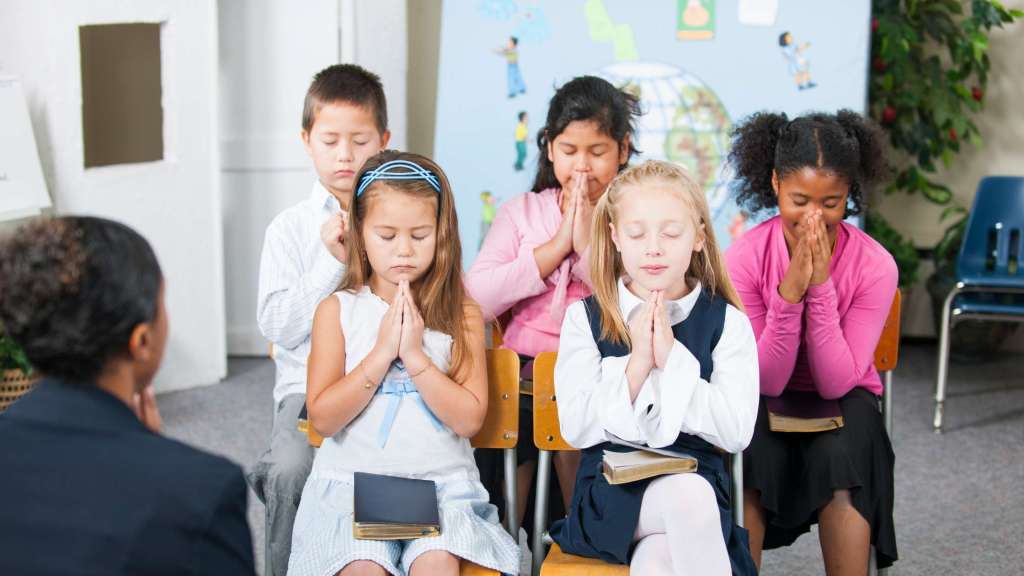
In theory, Catholic schools aim to nurture both academic and spiritual development. Prayer, religious studies, and moral instruction are embedded into daily life. But for many students, religion in Catholic schools is less about deep reflection and more about memorization, routine, and box-ticking.
- Morning prayers begin the day, but students repeat them without much thought.
- Religious education classes focus on history, doctrine, and scripture but often discourage questioning or debate.
- Sacraments and ceremonies like First Communion and Confirmation are part of the school calendar, yet many students go through the motions without a true personal connection to their faith.
For many students, faith becomes another academic subject—just like math or science—one that is studied, tested, and then left behind when the school day ends. Without deep engagement, students often graduate from Catholic schools with a surface-level understanding of religion, rather than a meaningful, personal faith.
Does treating religion as routine strengthen or weaken belief? Can faith be nurtured in an environment where questioning is often discouraged?
Read more on the role of religious education in Australian schools.
The Power of Teachers: Lifelong Influence, for Better or Worse
Teachers shape how children see the world. A single moment of kindness or cruelty can stay with a student for life. Catholic schools, in particular, have long been associated with strict discipline and rigid authority. Many students recall nuns, brothers, or teachers whose words or actions left a lasting impression—sometimes inspiring, sometimes damaging.
Take, for example, a five-year-old child named Robert Parsons, who was excited for his first day of Catholic kindergarten. When the nun asked his name and he answered, she responded: “That’s not a Catholic name.” In that single moment, a child who had no control over his heritage was made to feel excluded from the community that was supposed to educate him.
Another case involves a teacher whose rigid and punitive approach triggered long-term anxiety in a student. This is not uncommon. Research shows that early school experiences—especially in strict, authoritative environments—can contribute to low self-esteem, anxiety disorders, and a lasting sense of inadequacy.
Explore studies on teacher impact and childhood anxiety.
How many students have carried silent wounds from words spoken by a teacher who never thought twice about them? Can faith-based education balance discipline with compassion?
Authority, Fear, and Faith: The Impact of Religious Discipline
Many Catholic schools historically used a strict, fear-based approach to discipline. Corporal punishment was once common. Even as physical punishment faded, emotional and psychological discipline remained deeply ingrained.
- Some teachers emphasized obedience over understanding.
- Questioning religious teachings was often seen as disrespect rather than curiosity.
- Feelings of shame and guilt were sometimes used as teaching tools.
Students internalized messages that authority should not be questioned, that their doubts were unimportant, and that compliance mattered more than understanding. This approach has left lifelong impacts, with many former Catholic school students expressing struggles with guilt, perfectionism, or religious trauma.
Read about the psychological effects of religious-based guilt and shame.
Does discipline rooted in faith create strong moral individuals, or does it instill fear-based obedience? How can Catholic schools foster critical thinking without undermining their religious foundations?
The Future of Catholic Education: Rethinking Its Role
Catholic schools today face a changing world. Fewer students are practicing Catholics, and modern education increasingly values critical thinking over rote learning. Some Catholic schools have adapted by fostering open discussions on faith, while others still emphasize rigid structure and tradition.
The question remains: What should Catholic education look like in the 21st century?
- Should religious education focus more on philosophy and ethics, rather than memorization?
- How can teachers be trained to ensure they support students emotionally, rather than enforcing exclusionary discipline?
- Can Catholic schools remain relevant if faith is treated as just another subject?
Explore how modern Catholic schools are evolving.
Final Reflection: The Lessons We Carry
Every student who has passed through a Catholic school carries something with them—whether it is a strong foundation of faith, a sense of moral guidance, or scars from a teacher’s harsh words. The challenge for Catholic education today is to ensure that what students take with them is not fear, shame, or passivity—but a genuine understanding of faith, ethics, and self-worth.
The influence of teachers is profound. The way faith is taught matters. The impact of school discipline lingers far beyond the classroom.
So, how do we ensure that Catholic education nurtures rather than wounds? How do we make sure faith is more than just another subject?
Further Reading & Resources
- The Role of Religious Education in Australian Schools
- Teacher Impact on Childhood Anxiety
- How Religion Can Affect Mental Health
- The Future of Catholic Schools
What was your experience with religious education? Did it shape you positively, or do you still carry the weight of early lessons? Share your thoughts below.
Want to Explore These Themes in Fiction?
If you found this discussion engaging, you’ll love Joseph’s Letter—a novel that explores faith, education, and the search for deeper truths. Download the first chapter for free and dive into a story that challenges the way we think about belief, doubt, and the institutions that shape us.
 Robert Parsons