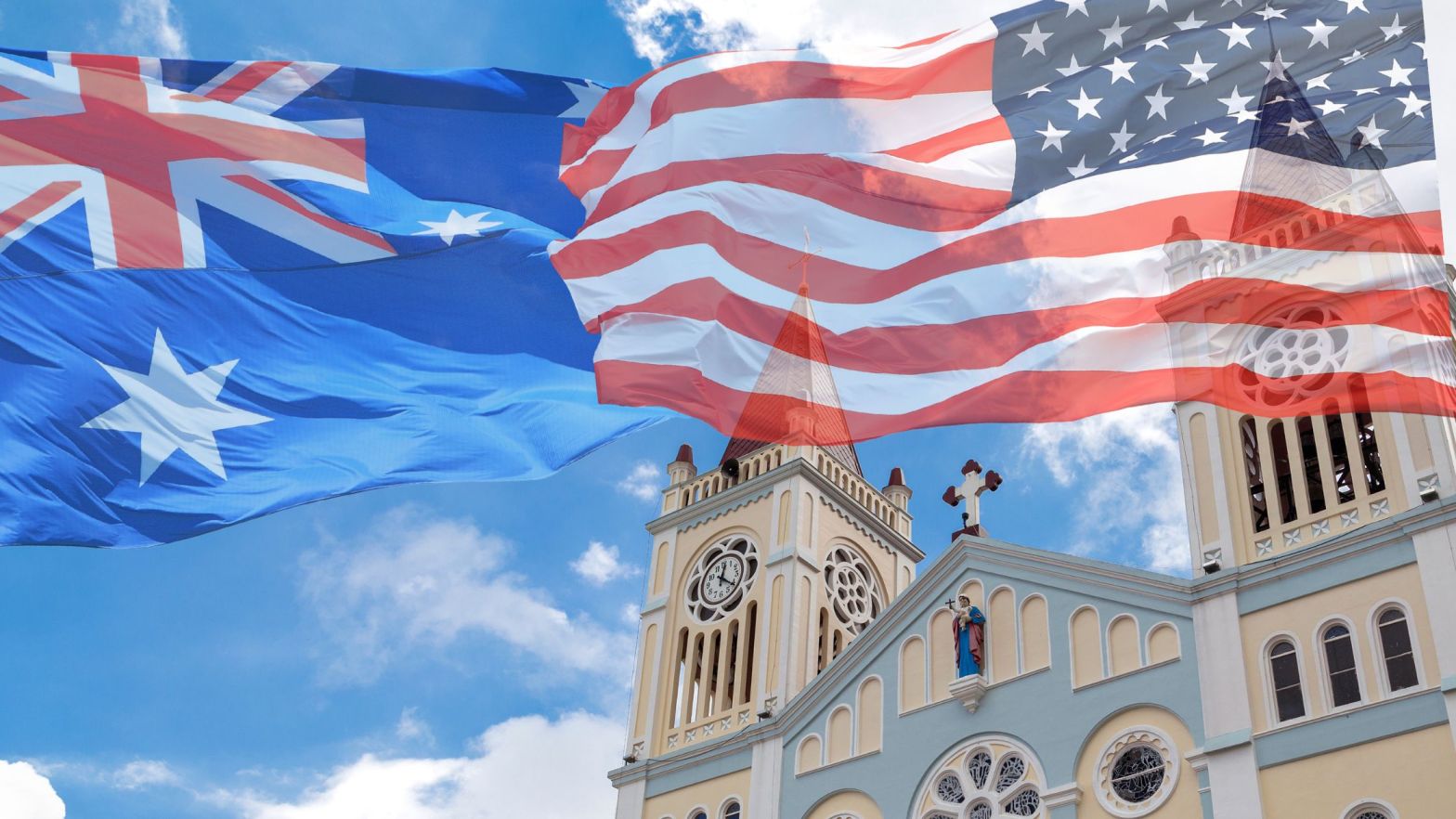
The Catholic Church may not hold seats in parliament or Congress, but its presence is undeniable—and often underestimated. With a reach that spans centuries, continents, and communities, the Church remains one of the most enduring institutions in Western society.
In both Australia and the United States, its political influence is not only historic—it’s deeply current, woven into legislation, leadership, and the moral fabric of public discourse.
As Pope Leo XIV steps into global leadership with a reputation for both missionary compassion and intellectual clarity, the question isn’t whether the Catholic Church has political influence. The question is: how is it being used—and where is it evolving?
A New Era of Leadership: The Papacy of Leo XIV
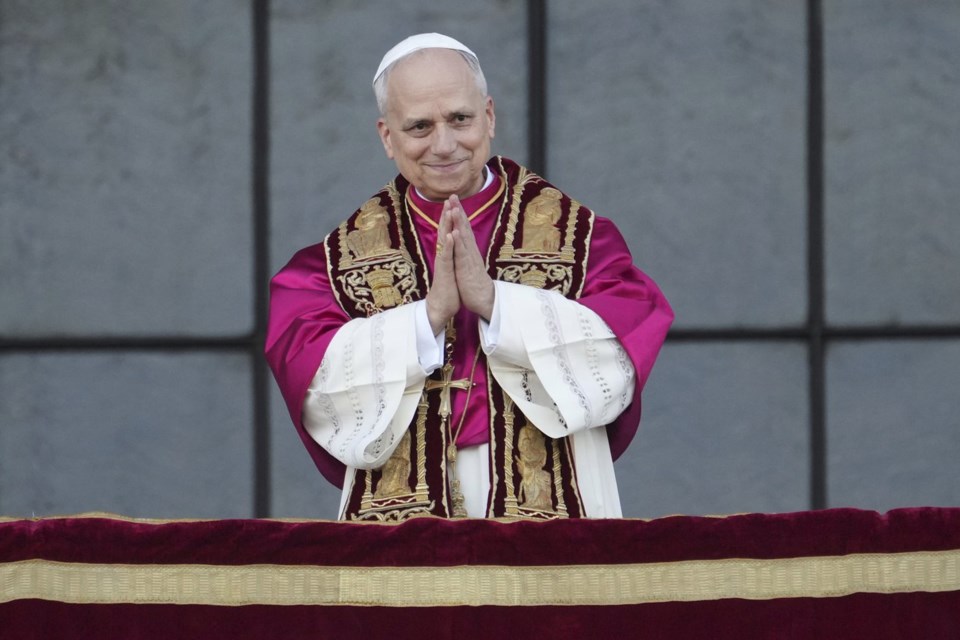
Pope Leo XIV’s election marked a turning point for the Vatican and its role in global affairs. The first American to hold the papal office, Leo XIV brings a distinct blend of backgrounds: educated in mathematics and canon law, shaped by over a decade of pastoral service in Peru, and known for selecting and supervising bishops worldwide.
His agenda? A continuation of the progressive groundwork laid by Pope Francis—synodality, social justice, and renewed dialogue with the modern world. But his American roots and pragmatic approach hint at a potentially different tone in how the Church engages with politics—particularly in democratic nations where religion and government formally remain separate but functionally overlap.
United States: Catholicism in the Corridors of Power
In the U.S., the Catholic Church punches far above its weight.
Roughly 20% of American adults identify as Catholic. Yet Catholics make up more than 28% of Congress and six of the nine current Supreme Court Justices. These numbers are more than symbolic—they reflect a religious tradition embedded in the highest levels of decision-making, from judicial rulings to health care legislation.
President Joe Biden, only the second Catholic president in U.S. history, embodies this complex intersection. His support for reproductive rights and LGBTQ+ protections has drawn sharp criticism from some Church leaders, igniting debates about Eucharistic denial and doctrinal purity. The tension between personal conscience and public policy is not new—but it has rarely been so publicly visible.
And while the Church’s official lobbying efforts often focus on traditional moral issues, it also shapes federal debates through bodies like the United States Conference of Catholic Bishops (USCCB). Their advocacy has influenced policies on everything from abortion funding to refugee resettlement—illustrating the Church’s ability to both defend doctrine and navigate political pragmatism.
Australia: A Quiet but Strategic Force
Australia tells a different—but equally revealing—story. In a political first, both major party leaders, Prime Minister Anthony Albanese and Opposition Leader Peter Dutton, identify as Catholic. Their approaches vary—Albanese describes himself as a “flawed Catholic,” while Dutton’s practice is less vocal—but their shared faith marks a historic shift in religious representation.
Historically, Australian Catholics skewed toward the Labor Party due to working-class Irish roots, while Protestants aligned with conservative parties. That sectarian divide has blurred. Today, Catholics exist across the political spectrum, often wielding quiet influence in shaping national values, particularly on education, marriage, and social services.
Organizations such as the Australian Christian Lobby and the Australian Family Association amplify Catholic voices in policy debates.
From opposing same-sex marriage legislation to lobbying for cemetery control, these efforts often operate behind the scenes—yet play a pivotal role in influencing the tone and direction of legislative decisions.to speak to this same ache—not with answers, but with empathy.
Morality as Policy: The Church’s Ethical Footprint
Whether in Washington or Canberra, the Church’s political engagement often hinges on moral questions—especially around life, family, and sexuality.
In the U.S., the Church’s staunch opposition to abortion has made it a powerful force in state and federal abortion debates, often aligning with conservative lawmakers. Its views on marriage and gender identity have likewise shaped legal discourse, though Pope Francis’ nuanced approach—such as approving blessings for same-sex civil unions—has softened the rhetoric without changing the core teachings.
In Australia, the moral landscape is shifting faster. Former NSW Premier Kristina Keneally, a practicing Catholic, publicly opposed the Church’s stance on same-sex marriage, invoking the doctrine of conscience. This reflects a broader trend: Catholic politicians increasingly interpret doctrine through a personal ethical lens rather than strict institutional alignment.
The same is true for environmental and economic issues. Laudato Si’, Pope Francis’ encyclical on climate change, reframed environmental protection as a spiritual responsibility. It influenced global agreements like the Paris Accord and reframed climate as not just a scientific or political issue—but a moral one.
Declining Religion, Enduring Power
Despite the Church’s continued influence, its institutional power is not without challenge. In Australia, more than 30% of people now identify as having “no religion,” overtaking Catholic identification. In the U.S., regular mass attendance has declined significantly, especially among younger generations.
Compounding this is the fallout from clergy abuse scandals. In the U.S., the Church has spent millions lobbying against the extension of statutes of limitations for survivors. In Australia, critics argue the Church’s political maneuvering often contradicts its public commitments to justice and healing.
These tensions raise a critical question: Can moral authority survive when institutional trust is eroding?
Final Thoughts: The Future of Catholic Political Influence
The Catholic Church’s influence in the U.S. and Australia is not merely historical, it is adaptive, strategic, and deeply embedded in moral and legislative frameworks. Its voice continues to shape the policies that define family, autonomy, justice, and care.
Under Pope Leo XIV, this influence may shift again, subtly, perhaps, but meaningfully. Whether through a renewed focus on the poor, or a more transparent engagement with political systems, the Church faces a choice: preserve its legacy by reinforcing walls, or build bridges that resonate with modern spiritual inquiry.
In the end, the Church’s political power does not reside in laws or elected officials alone.
It lives in how its moral compass is interpreted, debated, and ultimately, lived out in the world’s most complex ethical arenas.
If you enjoy stories about faith and the church – you’ll love Joseph’s letter! Download your free chapter here.
References
- United States Conference of Catholic Bishops (USCCB). (n.d.). About USCCB. Retrieved from: https://www.usccb.org
- Pew Research Center. (2021). Religious composition of Congress. Retrieved from: https://www.pewresearch.org
- Pew Research Center. (2022). About three-in-ten U.S. adults are now religiously unaffiliated. Retrieved from: https://www.pewresearch.org
- Australian Bureau of Statistics. (2022). Census 2021: Religion in Australia. Retrieved from: https://www.abs.gov.au
- Cook, M. (2022). Two Catholics Battle for Australian PM Role. MercatorNet. Retrieved from: https://mercatornet.com
- National Catholic Reporter. (2025). Pope Leo XIV: First American Pope Elected. Retrieved from: https://www.ncronline.org
- The Guardian. (2017). Australian Catholic Church spent $1.5m on lobbying to prevent abuse reforms. Retrieved from: https://www.theguardian.com
- OpenSecrets.org. (2023). Catholic Church Lobbying in the U.S. Retrieved from: https://www.opensecrets.org
- Catholic News Agency. (2023). Pope Francis approves same-sex civil union blessings. Retrieved from: https://www.catholicnewsagency.com
- The New York Times. (2020). Joe Biden’s Catholic Faith and Public Policy. Retrieved from: https://www.nytimes.com
- Vatican.va. (2015). Laudato Si’: Encyclical Letter of Pope Francis. Retrieved from: https://www.vatican.va
 Robert Parsons