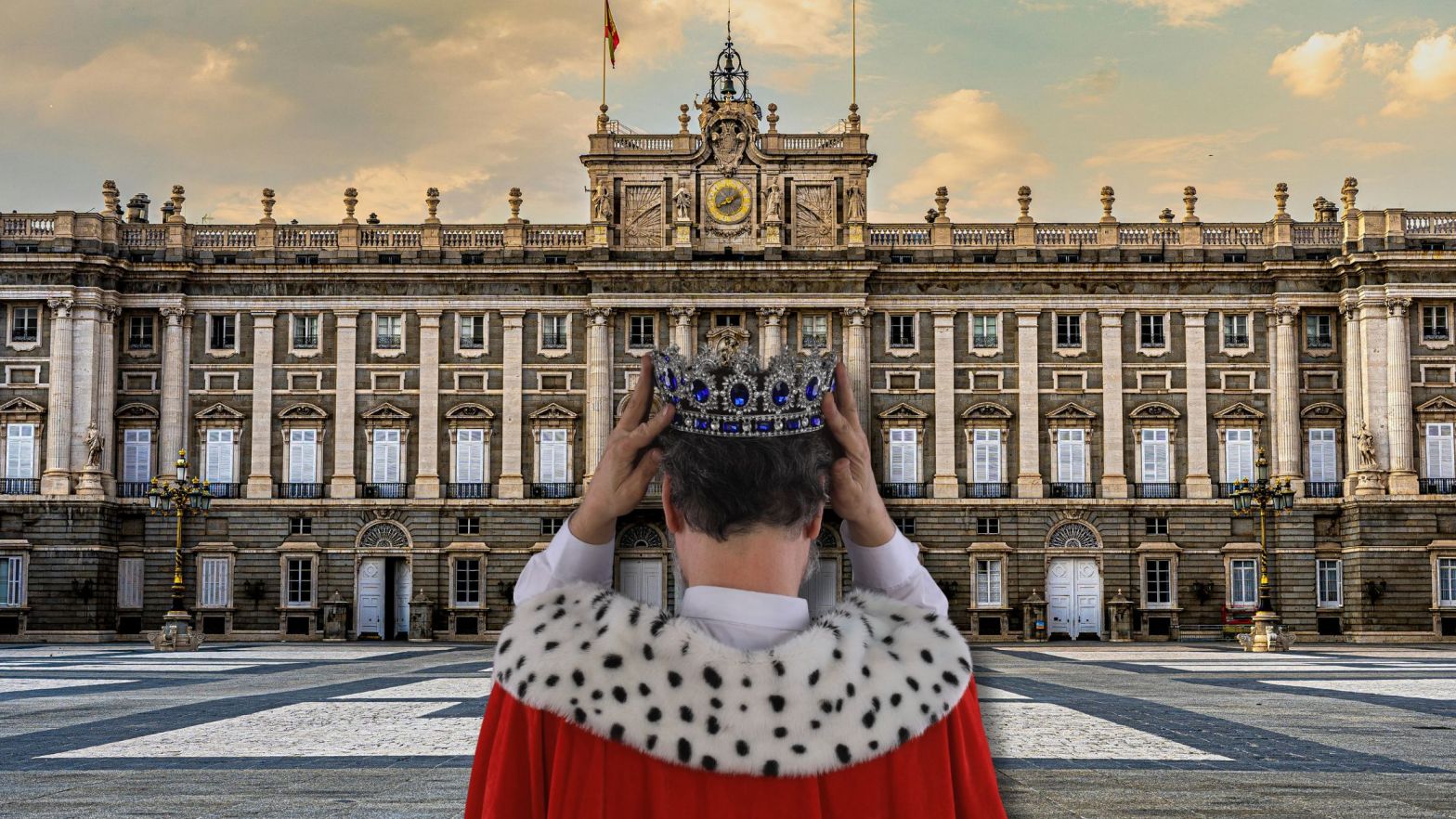
The British monarchy has long been seen as a symbol of continuity, tradition, and national pride. Yet behind the grandeur of Buckingham Palace lies a web of relationships, influence, and privilege that has too often been shielded from scrutiny. One of the starkest examples of this dynamic is the scandal involving Prince Andrew, Jeffrey Epstein, and Ghislaine Maxwell.
This saga is not merely about personal misjudgment—it is about networks of power, how influence is leveraged, and the systemic ways institutions cover for their own. To understand the fallout from the Prince Andrew scandal, we must examine the broader landscape of reputation, complicity, and media control.

1. The Royal House of Mountbatten-Windsor: Power by Association
The Mountbatten-Windsor family has historically balanced symbolic tradition with pragmatic alliances. Prince Andrew, the Duke of York, occupied a unique position: neither heir to the throne nor peripheral. His military career and public role gave him visibility, but his personal connections became his real currency.
It was through these social circles—often facilitated by Ghislaine Maxwell, daughter of disgraced media tycoon Robert Maxwell—that Andrew entered Jeffrey Epstein’s orbit. Epstein wasn’t just a financier; he was a broker of influence, a man who built a network of billionaires, politicians, academics, and royalty.
The scandal is therefore not isolated. It reflects how institutions like the monarchy thrive on selective access, how proximity to elites confers both protection and risk, and how the lines between private indulgence and public responsibility blur.
2. A Networked Scandal: Power, Access, and Complicity
At its heart, the Epstein saga was about a network of elite complicity. Jeffrey Epstein wasn’t just a financier—he was a fixer, an introducer, a gatekeeper. Prince Andrew’s decades-long association with him placed the Duke of York at a nexus of privilege and deceit.
The Role of Ghislaine Maxwell
Introduced by Ghislaine Maxwell into royal circles as early as 1999, Epstein and Maxwell secured invitations to Balmoral Castle, Windsor, and other royal settings through Andrew’s patronage. Photographs show Andrew in Maxwell’s company at private events, including one infamous shot with Virginia Giuffre, who later accused him of sexual abuse.
Allegations and Denial
In 2001, Virginia Giuffre alleged she was trafficked to Andrew by Epstein and Maxwell. Buckingham Palace “categorically denied” the claims at the time, relying on institutional opacity and a culture of deference to deflect scrutiny. British tabloids often pulled back, showing how media access to royal insiders sometimes shaped coverage.
Beyond Friendship: A System of Exchange
This dynamic wasn’t about a friendship gone wrong—it was about elite systems protecting themselves. Epstein traded “access and introductions” for silence and loyalty. Andrew, for his part, appeared to leverage royal immunity and privilege to continue these associations.
The deeper investigation shows this was not an anomaly. Such networks thrive on complicity. Epstein’s “little black book” contained hundreds of influential contacts across politics, academia, business, and media—many of whom have never been fully scrutinized. This demonstrates how the scandal was less about one man’s crimes and more about a culture of elite impunity.
Media as a Shield and Weapon
For years, the mainstream press soft-pedaled Andrew’s connections. It wasn’t until Epstein’s 2019 arrest that public outrage forced the Palace to act, resulting in Andrew stepping down from royal duties. Even then, his infamous BBC “Newsnight” interview—a disaster of denial and arrogance—showed how insulated figures of power often underestimate accountability when shielded by status.
3. Reputation Fallout: The Struggle to Maintain Influence
Reputation is currency in elite circles, and Prince Andrew’s downfall underscores how quickly it can evaporate.
- Institutional Fallout: By 2022, Andrew was stripped of his royal patronages and military titles.
- Financial Settlements: In 2022, Andrew reached a multimillion-pound settlement with Virginia Giuffre, avoiding a civil trial in the U.S. Importantly, he admitted no wrongdoing, underscoring how settlements can function as strategic silencing mechanisms.
- Public Perception: Polls showed Andrew’s approval ratings collapsed, and he became one of the least popular royals in modern history.
This demonstrates the fragility of influence when public opinion collides with media scrutiny.
4. The Broader Web: Epstein, Politics, and Media Complicity
The Epstein case doesn’t exist in a vacuum. It exposes how individuals like him thrive in the liminal spaces between money, politics, and power.
- Political Connections: Epstein maintained relationships with Bill Clinton, Donald Trump, and other global leaders, often using philanthropy and high-society events as cover.
- Media Dynamics: Major outlets, including Vanity Fair and ABC News, have faced criticism for burying or downplaying stories about Epstein due to pressure from influential figures.
- Global Reach: Epstein’s properties in the U.S. Virgin Islands, Paris, and beyond were staging grounds for cultivating and compromising elites.
Prince Andrew was one high-profile example of many, but the scandal illustrates a systemic problem: elites shielding each other while institutions drag their feet on accountability.
5. Patterns of Power and Cover-Up
When looking at Andrew and the Epstein network, several recurring themes emerge:
- Gatekeeping: Influence was traded like currency, with Epstein and Maxwell acting as brokers.
- Opacity: Institutions relied on secrecy and tradition to avoid scrutiny.
- Complicity by Silence: Many elites who benefited from Epstein’s network stayed quiet, ensuring protection.
- Reputation Management: Settlements, denials, and controlled interviews were used as damage control tactics.
- Public Outrage as a Catalyst: Accountability only began when external pressure mounted—through survivors’ voices, investigative journalism, and social media amplification.
6. Lessons for Power, Accountability, and Transparency
The Andrew-Epstein scandal reveals hard truths about influence:
- Power without accountability is fragile.
- Reputation management cannot withstand sustained public scrutiny.
- Institutions must evolve from opacity to transparency if they are to survive in the information age.
For the monarchy, the fallout is not just about one prince—it is about the credibility of an institution that claims to serve the people while often shielding its own.

Conclusion
The Prince Andrew scandal is a case study in power, privilege, and systemic complicity. While Andrew has faced personal disgrace, the broader issue remains unresolved: how elites manipulate systems of media, politics, and access to protect themselves.
Until institutions embrace transparency, scandals like this will continue to fester—eroding public trust and reinforcing the sense that, for some, accountability is optional.
Want to Go Deeper?
If this glimpse into power, privilege, and the shadow networks that thrive behind palace walls has you questioning what else is hidden—there’s more to uncover. Download a free chapter of Joseph’s Letter and step inside the stories that the headlines only scratch the surface of. Click below to claim your copy and see for yourself what the institutions of power don’t want you to read.
👉 Download Your Free Chapter Here
 Robert Parsons