
The human brain holds memory, love, identity, and mystery. Fragile yet infinite, it’s both what we study and what allows us to study everything.
Author Archives: Robert Parsons
Religion, Power & Indigenous Wisdom: What History Missed

Explore the Prince Andrew scandal with Epstein and Maxwell—uncovering royal power, privilege, and the hidden networks shaping influence and control.
Royal Power, Scandal, and the Epstein Fallout: What the Prince Andrew Case Reveals About Influence and Accountability
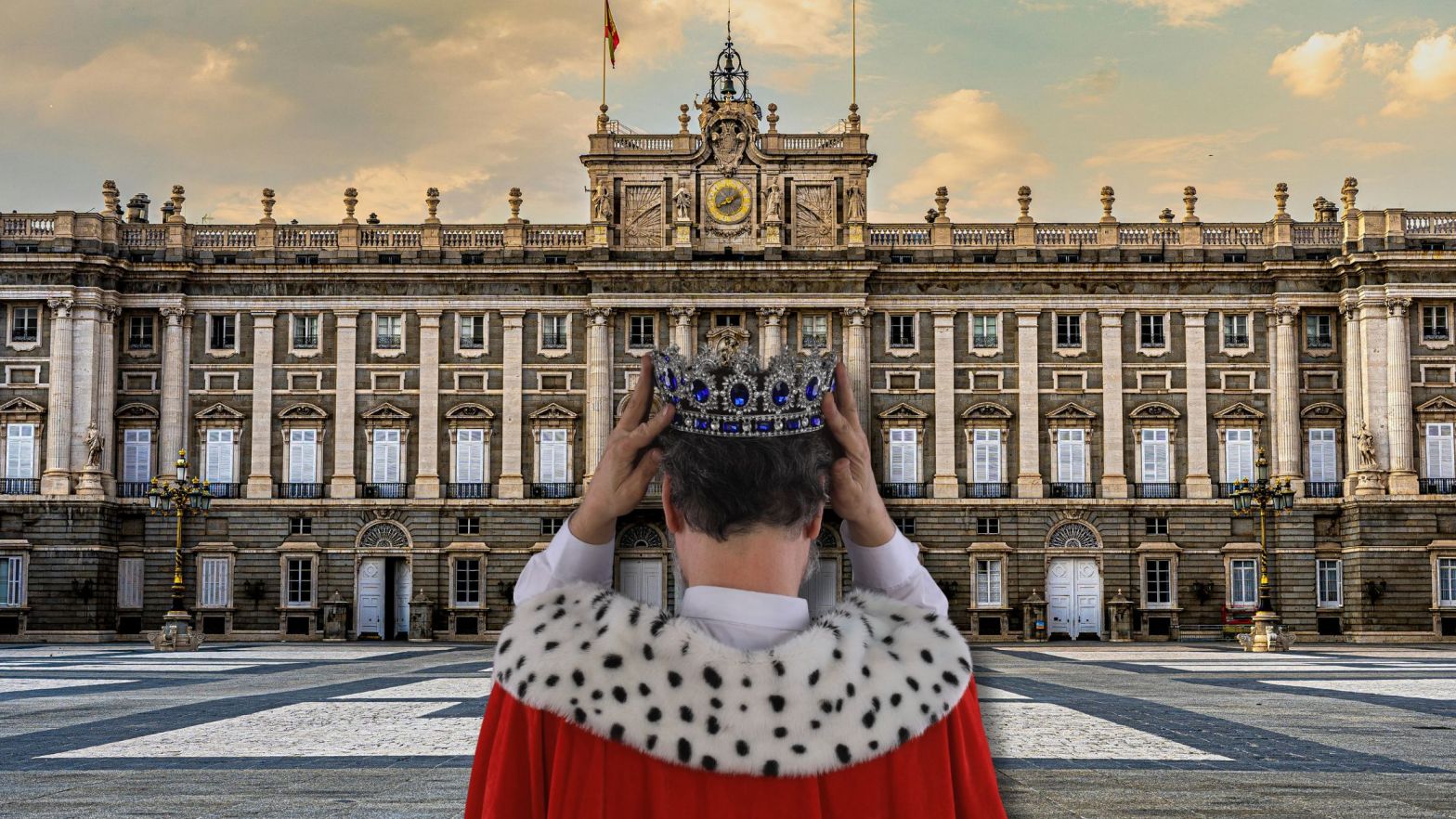
Explore the Prince Andrew scandal with Epstein and Maxwell—uncovering royal power, privilege, and the hidden networks shaping influence and control.
Rethinking Role Models: Modern Fatherhood, Women’s Leadership, and the Search for New Truths

What does it mean to lead in a world where old models are shifting? What happens when our definitions of strength, sacrifice, and success no longer match the roles we’ve inherited? And can the quiet evolution inside homes mirror the public revolutions in boardrooms and parliaments?
The Shadow of Discipline: Hitler’s Catholic Roots and the Intergenerational Legacy of Neo-Nazi Ideology

What if the seeds of extremism aren’t sown in rage, but in reverence?
What if the structures we trust to shape virtue—faith, discipline, tradition—can also lay the groundwork for something darker?
The Catholic Church’s Political Power in Australia and the United States: Moral Authority in Modern Democracy

The Catholic Church may not hold seats in parliament or Congress, but its presence is undeniable—and often underestimated. With a reach that spans centuries, continents, and communities, the Church remains one of the most enduring institutions in Western society. In both Australia and the United States, its political influence is not only historic—it’s deeply current, woven into legislation, leadership, and the moral fabric of public discourse.
Faith in the Balance: Pope Leo XIV, Institutional Tension, and the Spiritual Inquiry of Joseph’s Letter
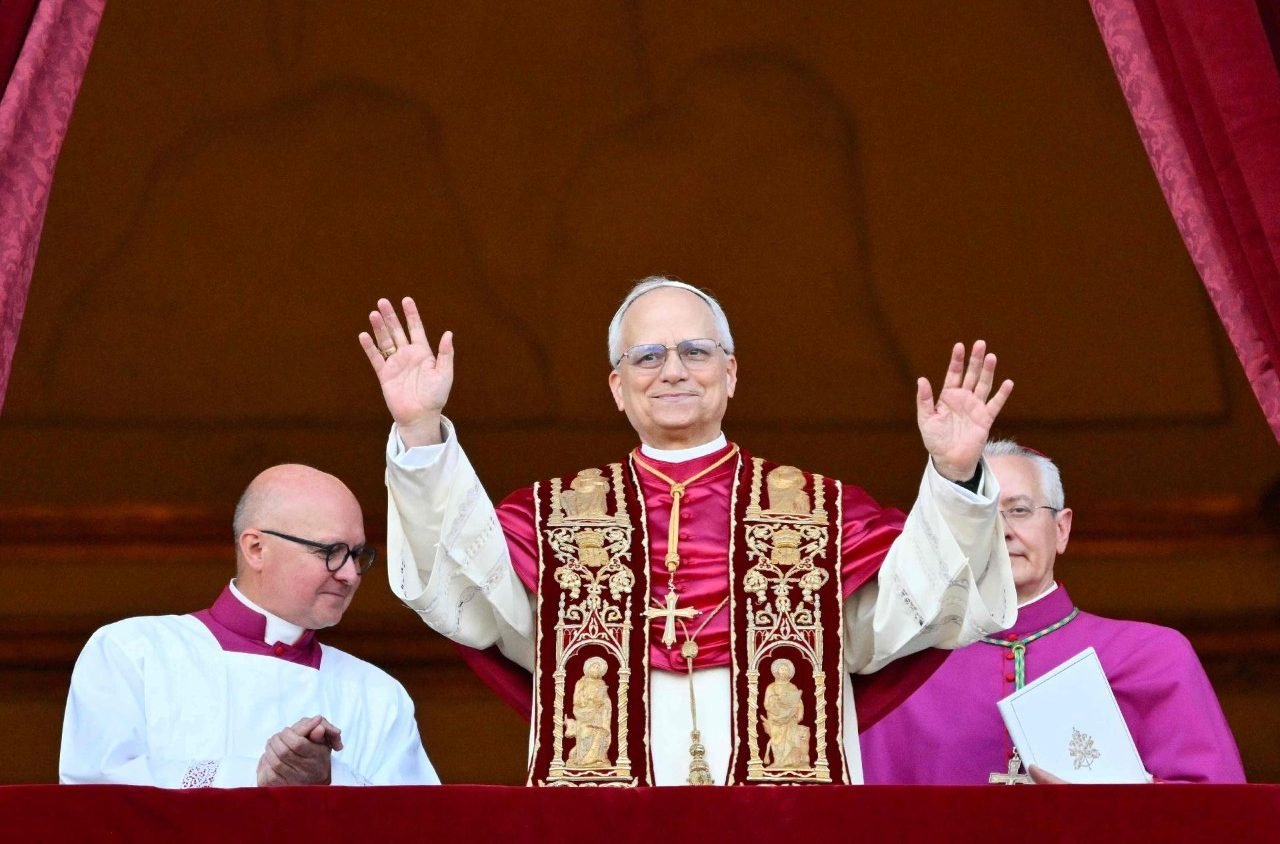
The election of Pope Leo XIV—an American-born pontiff with roots in Latin American missionary work and a background in mathematics—has ushered in a moment of profound symbolic weight for the global Catholic Church.
Resurrection and Reckoning: A Reflection on Joseph’s Letter

Explore how Joseph’s Letter invites a deeper kind of resurrection — one rooted in love, grief, and the quiet search for truth beyond religious ritual. What part of you is waiting to be reborn?
The Most Dangerous Romance Never Told: From Magdalene to Margaret

What do Mary Magdalene and Margaret Battersby have in common? In The Da Vinci Code and Joseph’s Letter, love becomes a threat to religious order — and the heart becomes the greatest heretic of all.
From Code Breakers to Grief Seekers: Why Joseph’s Letter Feels More Human than The Da Vinci Code

The Da Vinci Code invited us to question the Church. Joseph’s Letter invites us to question ourselves. Through layered characters and emotional stakes rooted in grief and legacy, Parsons’ novel offers something deeper than historical intrigue: a confrontation with what we believe and why we believe it.
 Robert Parsons