Royal Power, Scandal, and the Epstein Fallout: What the Prince Andrew Case Reveals About Influence and Accountability

The British monarchy has long been seen as a symbol of continuity, tradition, and national pride. Yet behind the grandeur of Buckingham Palace lies a web of relationships, influence, and privilege that has too often been shielded from scrutiny. One of the starkest examples of this dynamic is the scandal involving Prince Andrew, Jeffrey Epstein, and Ghislaine Maxwell.

This saga is not merely about personal misjudgment—it is about networks of power, how influence is leveraged, and the systemic ways institutions cover for their own. To understand the fallout from the Prince Andrew scandal, we must examine the broader landscape of reputation, complicity, and media control.

Windsor Royal House

1. The Royal House of Mountbatten-Windsor: Power by Association

The Mountbatten-Windsor family has historically balanced symbolic tradition with pragmatic alliances. Prince Andrew, the Duke of York, occupied a unique position: neither heir to the throne nor peripheral. His military career and public role gave him visibility, but his personal connections became his real currency.

It was through these social circles—often facilitated by Ghislaine Maxwell, daughter of disgraced media tycoon Robert Maxwell—that Andrew entered Jeffrey Epstein’s orbit. Epstein wasn’t just a financier; he was a broker of influence, a man who built a network of billionaires, politicians, academics, and royalty.

The scandal is therefore not isolated. It reflects how institutions like the monarchy thrive on selective access, how proximity to elites confers both protection and risk, and how the lines between private indulgence and public responsibility blur.

2. A Networked Scandal: Power, Access, and Complicity

At its heart, the Epstein saga was about a network of elite complicity. Jeffrey Epstein wasn’t just a financier—he was a fixer, an introducer, a gatekeeper. Prince Andrew’s decades-long association with him placed the Duke of York at a nexus of privilege and deceit.

The Role of Ghislaine Maxwell

Introduced by Ghislaine Maxwell into royal circles as early as 1999, Epstein and Maxwell secured invitations to Balmoral Castle, Windsor, and other royal settings through Andrew’s patronage. Photographs show Andrew in Maxwell’s company at private events, including one infamous shot with Virginia Giuffre, who later accused him of sexual abuse.

Allegations and Denial

In 2001, Virginia Giuffre alleged she was trafficked to Andrew by Epstein and Maxwell. Buckingham Palace “categorically denied” the claims at the time, relying on institutional opacity and a culture of deference to deflect scrutiny. British tabloids often pulled back, showing how media access to royal insiders sometimes shaped coverage.

Beyond Friendship: A System of Exchange

This dynamic wasn’t about a friendship gone wrong—it was about elite systems protecting themselves. Epstein traded “access and introductions” for silence and loyalty. Andrew, for his part, appeared to leverage royal immunity and privilege to continue these associations.

The deeper investigation shows this was not an anomaly. Such networks thrive on complicity. Epstein’s “little black book” contained hundreds of influential contacts across politics, academia, business, and media—many of whom have never been fully scrutinized. This demonstrates how the scandal was less about one man’s crimes and more about a culture of elite impunity.

Media as a Shield and Weapon

For years, the mainstream press soft-pedaled Andrew’s connections. It wasn’t until Epstein’s 2019 arrest that public outrage forced the Palace to act, resulting in Andrew stepping down from royal duties. Even then, his infamous BBC “Newsnight” interview—a disaster of denial and arrogance—showed how insulated figures of power often underestimate accountability when shielded by status.

3. Reputation Fallout: The Struggle to Maintain Influence

Reputation is currency in elite circles, and Prince Andrew’s downfall underscores how quickly it can evaporate.

  • Institutional Fallout: By 2022, Andrew was stripped of his royal patronages and military titles.
  • Financial Settlements: In 2022, Andrew reached a multimillion-pound settlement with Virginia Giuffre, avoiding a civil trial in the U.S. Importantly, he admitted no wrongdoing, underscoring how settlements can function as strategic silencing mechanisms.
  • Public Perception: Polls showed Andrew’s approval ratings collapsed, and he became one of the least popular royals in modern history.

This demonstrates the fragility of influence when public opinion collides with media scrutiny.

4. The Broader Web: Epstein, Politics, and Media Complicity

The Epstein case doesn’t exist in a vacuum. It exposes how individuals like him thrive in the liminal spaces between money, politics, and power.

  • Political Connections: Epstein maintained relationships with Bill Clinton, Donald Trump, and other global leaders, often using philanthropy and high-society events as cover.
  • Media Dynamics: Major outlets, including Vanity Fair and ABC News, have faced criticism for burying or downplaying stories about Epstein due to pressure from influential figures.
  • Global Reach: Epstein’s properties in the U.S. Virgin Islands, Paris, and beyond were staging grounds for cultivating and compromising elites.

Prince Andrew was one high-profile example of many, but the scandal illustrates a systemic problem: elites shielding each other while institutions drag their feet on accountability.

5. Patterns of Power and Cover-Up

When looking at Andrew and the Epstein network, several recurring themes emerge:

  1. Gatekeeping: Influence was traded like currency, with Epstein and Maxwell acting as brokers.
  2. Opacity: Institutions relied on secrecy and tradition to avoid scrutiny.
  3. Complicity by Silence: Many elites who benefited from Epstein’s network stayed quiet, ensuring protection.
  4. Reputation Management: Settlements, denials, and controlled interviews were used as damage control tactics.
  5. Public Outrage as a Catalyst: Accountability only began when external pressure mounted—through survivors’ voices, investigative journalism, and social media amplification.

6. Lessons for Power, Accountability, and Transparency

The Andrew-Epstein scandal reveals hard truths about influence:

  • Power without accountability is fragile.
  • Reputation management cannot withstand sustained public scrutiny.
  • Institutions must evolve from opacity to transparency if they are to survive in the information age.

For the monarchy, the fallout is not just about one prince—it is about the credibility of an institution that claims to serve the people while often shielding its own.

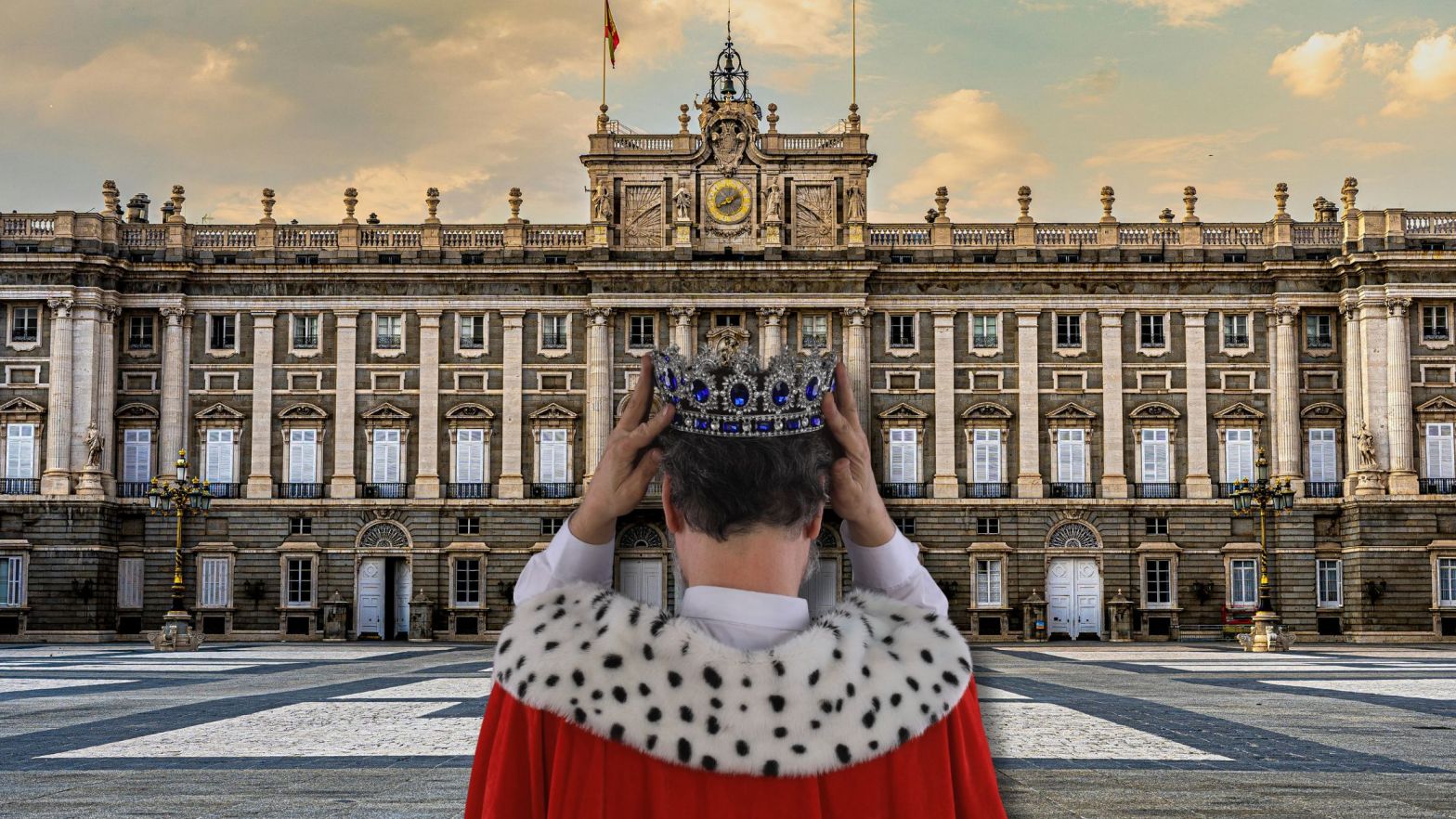
Royal power | Crowns

Conclusion

The Prince Andrew scandal is a case study in power, privilege, and systemic complicity. While Andrew has faced personal disgrace, the broader issue remains unresolved: how elites manipulate systems of media, politics, and access to protect themselves.

Until institutions embrace transparency, scandals like this will continue to fester—eroding public trust and reinforcing the sense that, for some, accountability is optional.

Want to Go Deeper?

If this glimpse into power, privilege, and the shadow networks that thrive behind palace walls has you questioning what else is hidden—there’s more to uncover. Download a free chapter of Joseph’s Letter and step inside the stories that the headlines only scratch the surface of. Click below to claim your copy and see for yourself what the institutions of power don’t want you to read.

👉 Download Your Free Chapter Here


References

Rethinking Role Models: Modern Fatherhood, Women’s Leadership, and the Search for New Truths

What does it mean to lead in a world where old models are shifting? What happens when our definitions of strength, sacrifice, and success no longer match the roles we’ve inherited? And can the quiet evolution inside homes mirror the public revolutions in boardrooms and parliaments?

With fathers day wrapped up in the UK and USA, the timing coincides with a profound shift in the nation’s leadership landscape.

More women are holding political and corporate power than ever before, while more men are stepping into caregiving roles once labeled secondary. This dual transformation—of who leads and how we lead—presents a rich opportunity to reflect not just on progress, but on the deeper emotional and cultural currents beneath it.

And in the spirit of Joseph’s Letter, we’re not here to offer a singular conclusion. Like Michael Battersby’s search for meaning through the grief of losing his wife Margaret, we’re tracing a pattern: one where tradition meets transformation, and where legacy is something we both inherit and rewrite.

Shifting Leadership landscape

From Parliament to the Playroom: Shifting Leadership Landscapes

Australia’s 2025 political moment is historic. Women now comprise 49.1% of federal parliament, and for the first time, the Liberal Party is led by a woman, Sussan Ley. This isn’t tokenism—it’s structural change. On the corporate front, companies like Telstra, Coles, and Fortescue are placing women at the helm, with female CEOs now leading 25% of top firms.

What we’re witnessing is not just numerical representation. It’s a reframing of what leadership looks like. Research consistently shows that women outperform men in nearly every domain of effective leadership—transformational, ethical, collaborative, and outcome-driven. Yet, structural biases and pay disparities persist. Women continue to earn only 88 cents for every dollar earned by men, with that gap widening in executive roles.

But here’s where this mirrors Joseph’s Letter: the deeper tension is not simply between genders, but between old frameworks of authority and emerging models of value. Just as Cardinal O’Grady resists Michael Battersby’s pursuit of personal truth, many institutions today still cling to traditional hierarchies, fearful of what equitable change might disrupt.

Catholic Discipline and Authoritarian Conditioning

The educational environment of early 20th-century Austria was steeped in regimentation. Catholic schools, in particular, emphasized discipline over inquiry, hierarchy over dialogue. Scholars have noted that this style of religious instruction, focused on control and conformity, may have reinforced the authoritarian tendencies that later found expression in Nazi ideology.

While it’s a dangerous oversimplification to draw a straight line from Catholic schooling to fascism, it is critical to examine how formative experiences with power and obedience can shape a worldview.

Hitler’s immersion in a system that valued silence, order, and submission did not create his genocidal ideology—but it may have normalized the psychological conditions necessary for its rise: a longing for order, a fear of chaos, and an instinctive deference to hierarchy.

Fatherhood

Fatherhood Reimagined: The Rise of the Engaged Caregiver

Parallel to the rise of female leadership is the quiet, often under-recognized transformation of fatherhood. The number of stay-at-home dads in Australia has more than doubled in the past decade.

Single fathers represent the fastest-growing household demographic. Men are showing up in parenting classes, requesting flexible work arrangements, and learning to nurture in ways their own fathers often could not.

Yet, much like Michael’s children in Joseph’s Letter, who struggle to understand their father’s grief-driven mission, modern fathers are still contending with inherited scripts. Many describe themselves as “helpers” rather than equal partners.

Despite desiring balance, they face cultural and corporate resistance—workplaces still treat flexibility as a “mum’s issue,” and only 8% of organizations actively support men’s caregiving roles.

This shift calls into question not just who does what at home, but what it means to be a father in the first place. If fatherhood is no longer tethered to stoicism and breadwinning, then what becomes of masculinity when it opens itself to vulnerability, co-parenting, and emotional labor?

Leadership, Grief, and the Search for Legacy

The threads running through both modern fatherhood and rising female leadership are not just about parity. They are about legacy—about what we pass down, what we resist, and what we choose to rewrite.

In Joseph’s Letter, Michael’s journey is driven not just by the death of his wife, but by the need to make sense of it—to extract meaning from loss. His children represent diverging responses to change: one pragmatic, one dutiful, both unsure of their father’s relentless quest.

Likewise, today’s evolving roles of mothers and fathers, CEOs and ministers, reveal not just progress but emotional friction. There is grief in letting go of what was, even when it no longer serves.

But as Michael reminds us, transformation often begins in the act of questioning. Of not accepting what we’ve inherited without asking whether it still fits.

Toward a New Kind of Role Model

The question Australia now faces is not whether women can lead or men can parent—it’s whether our systems are prepared to reflect and support these realities. Companies with high gender diversity outperform their peers. Children with engaged fathers show stronger developmental outcomes.

Leaders who model empathy, patience, and adaptability succeed not in spite of those traits, but because of them.

Much like Joseph’s Letter blurs the line between personal and theological, between grief and faith, our current moment asks us to see leadership as something far more expansive than position or gender. It’s about the ability to endure doubt. To lead without needing dominance. To parent with presence, not performance.

Father’s Day 2025 doesn’t just celebrate men—it honors the evolving meaning of care, responsibility, and relational strength. It recognizes that leadership begins in the home and extends into the boardroom and beyond.

And it reflects a country that, like Michael Battersby, is slowly learning that the answers we need may not lie in tradition alone, but in the courage to follow our convictions—even when the institutions around us hesitate.

In Closing:

Just as Joseph’s Letter compels us to examine where belief ends and evidence begins, this cultural moment invites us to question which models of leadership we elevate, and why. We’re not replacing fathers or leaders—we’re reframing them. And in doing so, we might just uncover something closer to truth.

If you enjoy these types of blogs, you’ll love our free newsletter – subscribe today. 


References

  1. Workplace Gender Equality Agency (WGEA). (2025). Gender Pay Gap Data. Retrieved from: https://www.wgea.gov.au/pay-and-gender/gender-pay-gap-data
  2. Australian Bureau of Statistics. (2025). Gender Indicators. Retrieved from: https://www.wgea.gov.au/data-statistics/ABS-gender-pay-gap-data
  3. Chief Executive Women. (2025). 40:40:20 Leadership Targets. Retrieved from: https://mbs.edu/news/why-chief-executive-women-is-calling-for-40-40-20-targets
  4. Melbourne Business School. (2025). Women in Leadership Performance Study. Retrieved from: https://hrnews.co.uk/data-reveals-companies-with-female-ceos-are-more-profitable
  5. McKinsey & Company. (2025). Diversity Wins: How Inclusion Matters.
  6. FSU Business School. (2024). Study Reveals Women Excel in Leadership. Retrieved from: https://business.fsu.edu/article/study-reveals-women-excel-effective-aspects-leadership
  7. Equimundo. (2023). State of Australia’s Fathers Report. Retrieved from: https://www.equimundo.org/wp-content/uploads/2023/08/State-of-Australias-Fathers-report.pdf
  8. Australian Human Rights Commission. (2024). Flexible Work Practices and Fatherhood.
  9. SBS. (2025). Dads’ Revolution: Modern Fatherhood Advocacy. Retrieved from: https://www.sbs.com.au/news/podcast-episode/dads-revolution-pushing-for-reforms-to-embrace-modern-fatherhood/3iqge4j9o
  10. Pathways to Politics for Women. (2025). Women in Politics 2025 Report. Retrieved from: https://pathwaystopolitics.org.au/knowledge-hub/women-in-politics-2025
  11. ANU Gender Institute. (2025). Election Scorecard on Women’s Political Representation. Retrieved from: https://giwl.anu.edu.au/2025-election
  12. Robert Parsons. (2025). Joseph’s Letter: A Novel. (Refer to “Book brief: Joseph’s Letter” PDF)
  13. Australian Institute of Company Directors (AICD). (2024). Women on Boards and Executive Teams Report.
  14. Emerging Minds. (2025). Supporting Dads in Their Role as Fathers. Retrieved from: https://emergingminds.com.au/resources/podcast/supporting-dads-in-their-role-as-fathers/transcript

The Shadow of Discipline: Hitler’s Catholic Roots and the Intergenerational Legacy of Neo-Nazi Ideology

What if the seeds of extremism aren’t sown in rage, but in reverence?
What if the structures we trust to shape virtue—faith, discipline, tradition—can also lay the groundwork for something darker?

These aren’t easy questions. Nor are they rhetorical. They ask us to sit with discomfort. To hold the tension between upbringing and ideology, between belief and manipulation, between innocence and the capacity for harm.

When we examine the early life of Adolf Hitler, and the troubling endurance of neo-Nazi ideologies across generations, we are not seeking blame—we are seeking understanding. Not to excuse, but to uncover.

Adolf Hitler’s rise to power and the enduring presence of neo-Nazi ideologies are frequently examined through political, economic, and psychological lenses—but rarely through the formative religious and disciplinary environments that shaped his worldview. 

When we trace the pathways of extremist belief systems, from Hitler’s early Catholic upbringing to today’s intergenerational transmission of white supremacist ideologies, a complex picture emerges—one where structured religion, authoritarian discipline, and inherited ideology intersect in subtle but powerful ways.

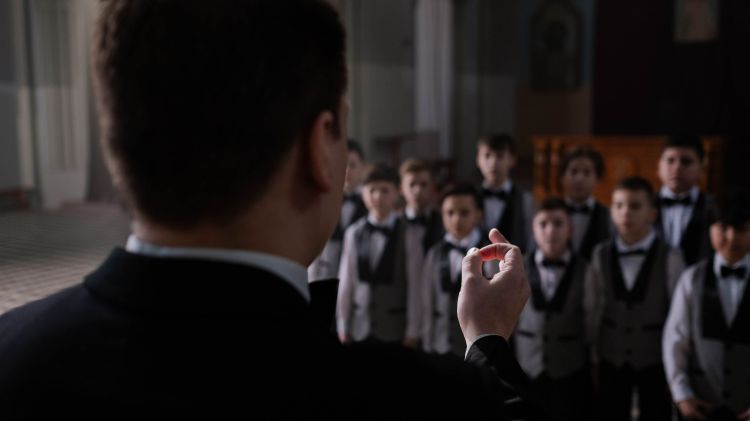
From Choir boy to Dictator

From Choirboy to Dictator: The Catholic Foundations of Hitler’s Youth

Born into a Catholic household in 1889, Adolf Hitler was baptized and raised in a Church that, at the time, was one of the few stable institutions in the Austro-Hungarian Empire.

His mother, Klara, was a devout practitioner, and young Adolf participated in choir and religious schooling, even aspiring to the priesthood at one point. His schooling at a Benedictine monastery immersed him in the sensory and hierarchical traditions of Catholicism—pageantry, obedience, and symbolic authority.

But while Catholic ritual captivated him as a child, it was also bound tightly with rigid discipline and authoritarian control. This early exposure to a system of unbending rules and sacred hierarchies planted seeds that would later resurface in his embrace of fascist ideology.

Though Hitler would ultimately abandon the Church, the structural and psychological frameworks of religious authority—the demand for obedience, the valorization of suffering, and the binary logic of good versus evil—never truly left him.

Catholic Discipline and Authoritarian Conditioning

The educational environment of early 20th-century Austria was steeped in regimentation. Catholic schools, in particular, emphasized discipline over inquiry, hierarchy over dialogue. Scholars have noted that this style of religious instruction, focused on control and conformity, may have reinforced the authoritarian tendencies that later found expression in Nazi ideology.

While it’s a dangerous oversimplification to draw a straight line from Catholic schooling to fascism, it is critical to examine how formative experiences with power and obedience can shape a worldview.

Hitler’s immersion in a system that valued silence, order, and submission did not create his genocidal ideology—but it may have normalized the psychological conditions necessary for its rise: a longing for order, a fear of chaos, and an instinctive deference to hierarchy.

The Church and the Reich: A Complex Dance of Conscience and Complicity

When Hitler came to power, the Catholic Church faced a moral crossroads. Fearing atheistic communism and social upheaval, some Church leaders initially welcomed his regime.

In 1933, the Vatican signed a concordat with Nazi Germany, hoping to protect its institutions by retreating from political life. But as Nazi violations mounted—censorship, property seizures, clergy arrests—the Church’s silence became deafening.

Pope Pius XI’s 1937 encyclical Mit brennender Sorge was a rare moment of institutional resistance. Smuggled into Germany and read from pulpits, it condemned Nazi ideology and signaled that the Church could no longer remain passive.

Yet this protest came late—and in many ways, too quietly. While individual Catholics resisted, the institutional Church hesitated to confront the full scale of Nazi atrocities, particularly against Jews.

The legacy of this inaction still haunts the Church today, reminding us that moral authority, once compromised, is difficult to reclaim.

Neo-Nazism and the Mutation of Religious Symbols

Modern neo-Nazi movements continue to manipulate religious iconography to lend legitimacy to their beliefs. Whether through Christian Identity theology—which claims white Europeans as God’s chosen people—or appropriations of Norse paganism, contemporary extremists craft mythologies that reinforce racial purity and divine entitlement.

These movements often exploit religious language while hollowing out its ethical core. The result is a dangerous syncretism where Christianity, stripped of compassion and universalism, becomes a vehicle for supremacy.

In America, this has manifested through groups like the Aryan Nations and, more recently, in Christian nationalist symbols at events like the January 6 Capitol riot—where crosses stood alongside swastikas

Hitler praying

How Hate Is Inherited: Intergenerational Transmission of Extremism

Extremist beliefs don’t just emerge—they’re passed down. Studies show that individuals exposed to Nazi indoctrination in youth retained anti-Semitic views decades later. In families where parents harbor extremist ideologies, children often absorb these views directly or through subtle cues: jokes, fears, or casual slurs treated as truth.

But transmission doesn’t occur in a vacuum. It’s amplified by authoritarian parenting, educational silence on issues of justice, and cultural narratives that valorize the past without interrogating it.

These dynamics are mirrored today in far-right recruitment strategies that emphasize order, masculinity, and identity—often through fitness clubs, brotherhood networks, or militaristic rituals disguised as discipline.

Breaking the Cycle

The long shadow of Nazism reminds us that dismantling hate requires more than condemning it. We must examine the emotional, educational, and spiritual ecosystems that allow it to regenerate.

This means:

  • Education that prioritizes critical thinking over blind obedience.
  • Religious spaces that center justice, compassion, and humility—not nationalism or control.
  • Parenting that encourages questioning, empathy, and accountability.
  • Social programs that address alienation before it turns into extremism.

Above all, it requires an honest reckoning with history—not as a closed chapter, but as a living force that shapes identity, ideology, and conscience.

A Final Reflection: From History to Fiction, and Back Again

In Joseph’s Letter, the search for truth is not linear—it is emotional, circular, and sometimes unbearable. Michael Battersby’s quest to make sense of suffering, belief, and institutional betrayal echoes the very questions raised here.

What happens when religious authority fails to offer solace—or worse, becomes complicit in injustice? What do we do when the systems meant to nurture morality instead obscure it?

Both this history and that novel refuse easy conclusions. They ask us instead to look closer. To consider that the battle between faith and power, memory and manipulation, belief and evidence, does not only live in textbooks or pulpits—but in the quiet inheritance of our worldviews. And maybe, just maybe, the courage to question is the beginning of something redemptive.

Enjoyed this blog? You’ll love the novel Joseph’s Letter. Download the free chapter free. 

References

  1. Wikipedia. Religious views of Adolf Hitler. https://en.wikipedia.org/wiki/Religious_views_of_Adolf_Hitler
  2. The History Place. The Rise of Hitler: Boyhood. https://www.historyplace.com/worldwar2/riseofhitler/boyhood.htm
  3. BBC Bitesize. Nazi Control of Religion. https://www.bbc.co.uk/bitesize/guides/zp3p82p/revision/4
  4. RAN Education. Dealing with Religion-Inspired Extremist Ideologies in Schools. https://home-affairs.ec.europa.eu/system/files/2019-12/ran_edu_meeting_dealing_religion-inspired_extremist_ideologies_school_14-15_112019_en.pdf
  5. Eprints Hud. A Psycho-Historical Analysis of Adolf Hitler. https://eprints.hud.ac.uk/id/eprint/15881/1/Psycho-Historical_Analysis_of_Adolf_Hitler.pdf
  6. PNAS. Intergenerational transmission of anti-Semitism. https://www.pnas.org/doi/10.1073/pnas.1414822112
  7. Facing History. The Concordat between the Vatican and the Nazis. https://www.facinghistory.org/resource-library/agreement-catholic-church
  8. Wikipedia. Catholic resistance to Nazi Germany. https://en.wikipedia.org/wiki/Catholic_resistance_to_Nazi_Germany
  9. EBSCO. Pius XI Urges Resistance Against Nazism. https://www.ebsco.com/research-starters/religion-and-philosophy/pius-xi-urges-resistance-against-nazism
  10. SPLC. Neo-Nazi Extremism. https://www.splcenter.org/resources/extremist-files/neo-nazi/
  11. ADL. Christian Identity Movement. https://www.adl.org/resources/backgrounder/christian-identity
  12. Middlebury Institute. Christian Identity’s New Role in the Extreme Right. https://www.middlebury.edu/institute/academics/centers-initiatives/ctec/ctec-publications/christian-identitys-new-role-extreme-right
  13. Le Monde. The Multifaceted Neo-Nazi Threat in France. https://www.lemonde.fr/en/france/article/2025/02/17/the-multifaceted-neo-nazi-threat-in-france_6738264_7.html
  14. Verfassungsschutz. Right-Wing Extremism in Germany. https://www.verfassungsschutz.de/EN/topics/right-wing-extremism/right-wing-extremism_article.html
  15. OJP NCJRS. Perceived Effects of Religion in White Supremacist Culture. https://www.ojp.gov/ncjrs/virtual-library/abstracts/perceived-effects-religion-white-supremacist-culture
  16. PMC. Parental Influence on Children’s Racial Attitudes. https://pmc.ncbi.nlm.nih.gov/articles/PMC10409607/
  17. BBC News. Active Club Network: The White Supremacist Militias Masquerading as Gyms. https://www.bbc.co.uk/news/articles/c5ydnqdq38wo
  18. South African Jewish Report. For Children of Nazis, Trauma is Intergenerational. https://www.sajr.co.za/for-children-of-nazis-trauma-is-intergenerational/
  19. Sky News. Christian Nationalists and the Threat to American Democracy. https://news.sky.com/story/a-spiritual-war-are-christian-nationalists-threatening-to-turn-the-us-into-a-religious-state-12924092
  20. GWU CTEC. Christian Identity Reborn. https://extremism.gwu.edu/sites/g/files/zaxdzs5746/files/2024-08/christian-identity-reborn.pdf

The Catholic Church’s Political Power in Australia and the United States: Moral Authority in Modern Democracy

The Catholic Church may not hold seats in parliament or Congress, but its presence is undeniable—and often underestimated. With a reach that spans centuries, continents, and communities, the Church remains one of the most enduring institutions in Western society.

In both Australia and the United States, its political influence is not only historic—it’s deeply current, woven into legislation, leadership, and the moral fabric of public discourse.

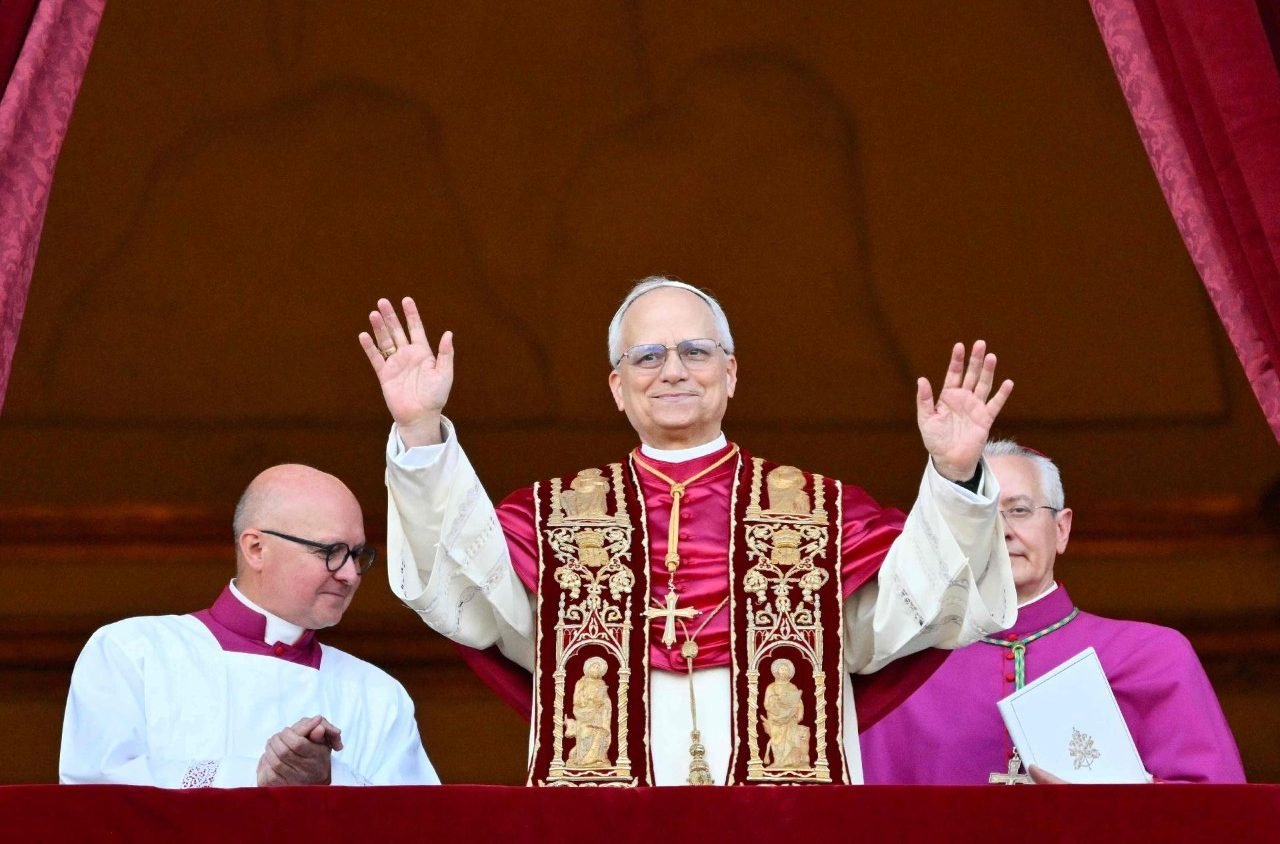
As Pope Leo XIV steps into global leadership with a reputation for both missionary compassion and intellectual clarity, the question isn’t whether the Catholic Church has political influence. The question is: how is it being used—and where is it evolving?

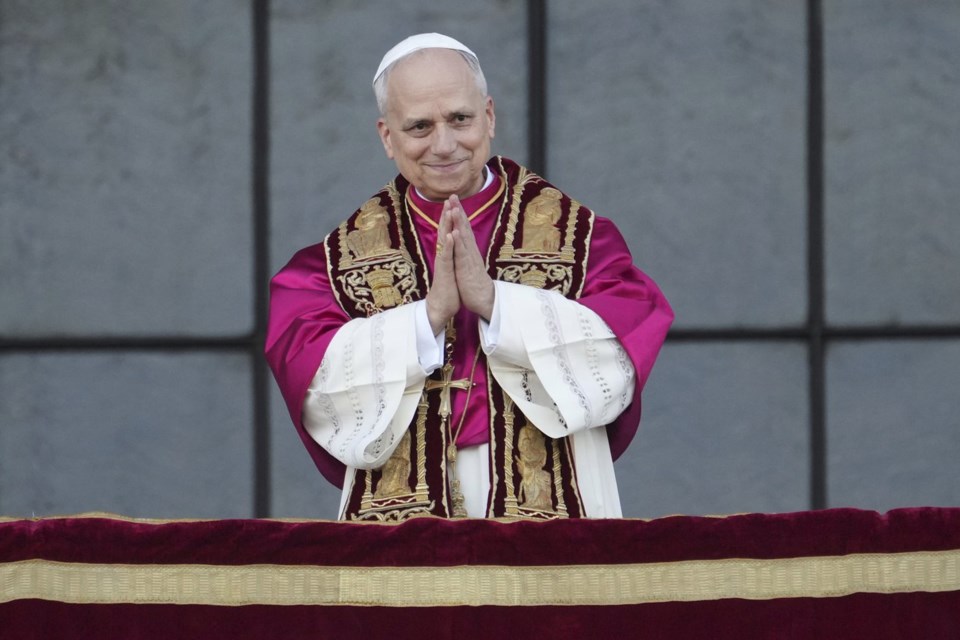
Pope Leo XIV

A New Era of Leadership: The Papacy of Leo XIV

Pope Leo XIV’s election marked a turning point for the Vatican and its role in global affairs. The first American to hold the papal office, Leo XIV brings a distinct blend of backgrounds: educated in mathematics and canon law, shaped by over a decade of pastoral service in Peru, and known for selecting and supervising bishops worldwide.

His agenda? A continuation of the progressive groundwork laid by Pope Francis—synodality, social justice, and renewed dialogue with the modern world. But his American roots and pragmatic approach hint at a potentially different tone in how the Church engages with politics—particularly in democratic nations where religion and government formally remain separate but functionally overlap.

United States: Catholicism in the Corridors of Power

In the U.S., the Catholic Church punches far above its weight.

Roughly 20% of American adults identify as Catholic. Yet Catholics make up more than 28% of Congress and six of the nine current Supreme Court Justices. These numbers are more than symbolic—they reflect a religious tradition embedded in the highest levels of decision-making, from judicial rulings to health care legislation.

President Joe Biden, only the second Catholic president in U.S. history, embodies this complex intersection. His support for reproductive rights and LGBTQ+ protections has drawn sharp criticism from some Church leaders, igniting debates about Eucharistic denial and doctrinal purity. The tension between personal conscience and public policy is not new—but it has rarely been so publicly visible.

And while the Church’s official lobbying efforts often focus on traditional moral issues, it also shapes federal debates through bodies like the United States Conference of Catholic Bishops (USCCB). Their advocacy has influenced policies on everything from abortion funding to refugee resettlement—illustrating the Church’s ability to both defend doctrine and navigate political pragmatism.

Australia: A Quiet but Strategic Force

Australia tells a different—but equally revealing—story. In a political first, both major party leaders, Prime Minister Anthony Albanese and Opposition Leader Peter Dutton, identify as Catholic. Their approaches vary—Albanese describes himself as a “flawed Catholic,” while Dutton’s practice is less vocal—but their shared faith marks a historic shift in religious representation.

Historically, Australian Catholics skewed toward the Labor Party due to working-class Irish roots, while Protestants aligned with conservative parties. That sectarian divide has blurred. Today, Catholics exist across the political spectrum, often wielding quiet influence in shaping national values, particularly on education, marriage, and social services.

Organizations such as the Australian Christian Lobby and the Australian Family Association amplify Catholic voices in policy debates.

From opposing same-sex marriage legislation to lobbying for cemetery control, these efforts often operate behind the scenes—yet play a pivotal role in influencing the tone and direction of legislative decisions.to speak to this same ache—not with answers, but with empathy.

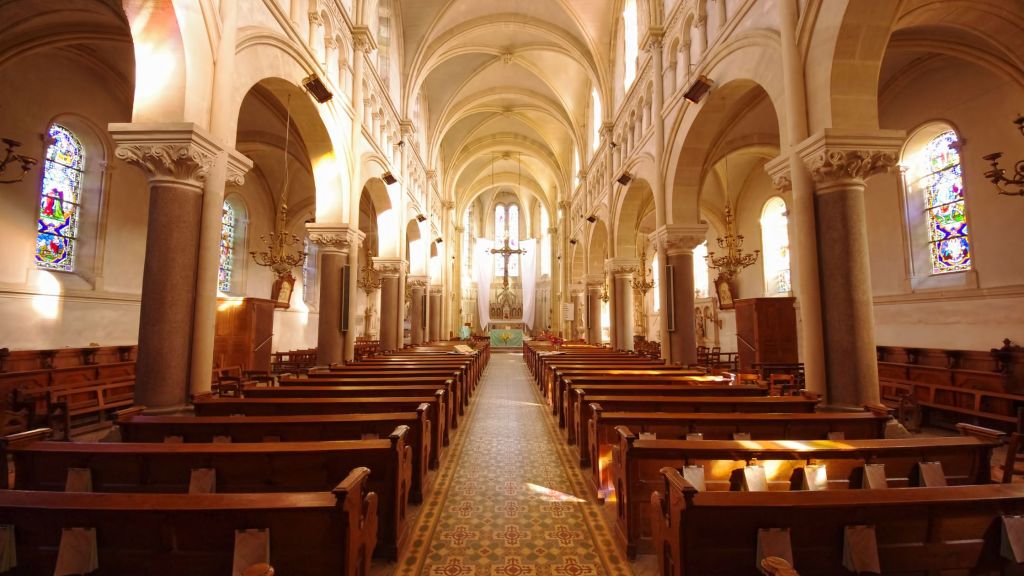
Catholic Church

Morality as Policy: The Church’s Ethical Footprint

Whether in Washington or Canberra, the Church’s political engagement often hinges on moral questions—especially around life, family, and sexuality.

In the U.S., the Church’s staunch opposition to abortion has made it a powerful force in state and federal abortion debates, often aligning with conservative lawmakers. Its views on marriage and gender identity have likewise shaped legal discourse, though Pope Francis’ nuanced approach—such as approving blessings for same-sex civil unions—has softened the rhetoric without changing the core teachings.

In Australia, the moral landscape is shifting faster. Former NSW Premier Kristina Keneally, a practicing Catholic, publicly opposed the Church’s stance on same-sex marriage, invoking the doctrine of conscience. This reflects a broader trend: Catholic politicians increasingly interpret doctrine through a personal ethical lens rather than strict institutional alignment.

The same is true for environmental and economic issues. Laudato Si’, Pope Francis’ encyclical on climate change, reframed environmental protection as a spiritual responsibility. It influenced global agreements like the Paris Accord and reframed climate as not just a scientific or political issue—but a moral one.

Declining Religion, Enduring Power

Despite the Church’s continued influence, its institutional power is not without challenge. In Australia, more than 30% of people now identify as having “no religion,” overtaking Catholic identification. In the U.S., regular mass attendance has declined significantly, especially among younger generations.

Compounding this is the fallout from clergy abuse scandals. In the U.S., the Church has spent millions lobbying against the extension of statutes of limitations for survivors. In Australia, critics argue the Church’s political maneuvering often contradicts its public commitments to justice and healing.

These tensions raise a critical question: Can moral authority survive when institutional trust is eroding?

Final Thoughts: The Future of Catholic Political Influence

The Catholic Church’s influence in the U.S. and Australia is not merely historical, it is adaptive, strategic, and deeply embedded in moral and legislative frameworks. Its voice continues to shape the policies that define family, autonomy, justice, and care.

Under Pope Leo XIV, this influence may shift again, subtly, perhaps, but meaningfully. Whether through a renewed focus on the poor, or a more transparent engagement with political systems, the Church faces a choice: preserve its legacy by reinforcing walls, or build bridges that resonate with modern spiritual inquiry.

In the end, the Church’s political power does not reside in laws or elected officials alone.

It lives in how its moral compass is interpreted, debated, and ultimately, lived out in the world’s most complex ethical arenas.

If you enjoy stories about faith and the church – you’ll love Joseph’s letter! Download your free chapter here. 


References

  1. United States Conference of Catholic Bishops (USCCB). (n.d.). About USCCB. Retrieved from: https://www.usccb.org
  2. Pew Research Center. (2021). Religious composition of Congress. Retrieved from: https://www.pewresearch.org
  3. Pew Research Center. (2022). About three-in-ten U.S. adults are now religiously unaffiliated. Retrieved from: https://www.pewresearch.org
  4. Australian Bureau of Statistics. (2022). Census 2021: Religion in Australia. Retrieved from: https://www.abs.gov.au
  5. Cook, M. (2022). Two Catholics Battle for Australian PM Role. MercatorNet. Retrieved from: https://mercatornet.com
  6. National Catholic Reporter. (2025). Pope Leo XIV: First American Pope Elected. Retrieved from: https://www.ncronline.org
  7. The Guardian. (2017). Australian Catholic Church spent $1.5m on lobbying to prevent abuse reforms. Retrieved from: https://www.theguardian.com
  8. OpenSecrets.org. (2023). Catholic Church Lobbying in the U.S. Retrieved from: https://www.opensecrets.org
  9. Catholic News Agency. (2023). Pope Francis approves same-sex civil union blessings. Retrieved from: https://www.catholicnewsagency.com
  10. The New York Times. (2020). Joe Biden’s Catholic Faith and Public Policy. Retrieved from: https://www.nytimes.com
  11. Vatican.va. (2015). Laudato Si’: Encyclical Letter of Pope Francis. Retrieved from: https://www.vatican.va

Faith in the Balance: Pope Leo XIV, Institutional Tension, and the Spiritual Inquiry of Joseph’s Letter

The election of Pope Leo XIV—an American-born pontiff with roots in Latin American missionary work and a background in mathematics—has ushered in a moment of profound symbolic weight for the global Catholic Church.

His papacy arrives not only at a time of geopolitical complexity, but in an age defined by disillusionment with institutional religion and a growing cultural hunger for authenticity, connection, and meaning.

While the media focuses on the political implications of his election, Robert Parsons’ novel Joseph’s Letter offers a deeply human counterpoint: an intimate portrayal of one man’s search for proof of the divine amidst grief, loss, and the silence of God.

The intersection of these two events—one real, one fictional—reveals a shared tension between institutional power and personal faith, between the preservation of tradition and the longing for truth.

Conclave 2025

Image: SBS News

A Shift in Spiritual Authority

Pope Leo XIV represents a convergence of contrasts. His appointment—marked by surprise and skepticism—signals a Church at the crossroads of tradition and reform. With a foundation in canon law and a pastoral history in Peru, Leo XIV brings both intellectual rigor and grassroots compassion to his role.

His declared emphasis on synodality, missionary dialogue, and social justice aligns him with his predecessor, Pope Francis, while simultaneously indicating an openness to evolution within a historically rigid institution.

Yet even as Leo XIV steps into a role shaped by centuries of doctrine, Joseph’s Letter suggests that individual seekers are no longer content to passively inherit belief. Michael Battersby, the novel’s protagonist, does not represent a rejection of faith—he represents a refusal to let it stagnate.

In seeking out Joseph’s Letter, a scroll rumored to validate the Shroud of Turin, Michael embodies the spiritual crisis of our time: the need to reconcile belief with evidence, devotion with doubt.


Grief as Catalyst: The Personal Becomes Theological

At the heart of Joseph’s Letter lies a grief so deep it collapses certainty. Michael’s wife, Margaret, is dead—an absence that is more than emotional. It is existential. Her death ruptures his spiritual equilibrium and catalyzes his obsessive search for answers.

Parsons frames Michael’s grief not merely as a personal tragedy, but as a spiritual vacuum—one that propels him toward theological inquiry as a means of regaining connection with the transcendent.

This mirrors a broader cultural trend in the 21st century: the movement away from inherited belief systems toward self-directed spiritual exploration. The question Michael asks—“Is she gone, or is she somewhere?”—echoes in the minds of millions seeking proof not of God, but of continuation.

Pope Leo XIV’s mission to revitalize the Church’s relevance may hinge on his ability to speak to this same ache—not with answers, but with empathy.

Resurrection and Reckoning A Reflection on Joseph’s Letter

Faith vs. Institution: A Quiet Schism

Where Joseph’s Letter gains its most incisive power is in its depiction of institutional resistance. Cardinal O’Grady, the novel’s primary antagonist, functions not as a villain in the traditional sense, but as a personification of the Church’s defensive posture. His resistance to Michael’s pursuit is not grounded in malice, but in fear—fear that a single scroll might destabilize centuries of curated doctrine.

This fear is not unfamiliar. Real-world Church lobbying against transparency, particularly around issues of abuse or historical revisionism, demonstrates the extent to which institutions may prioritize self-preservation over spiritual truth. Parsons’ portrayal of O’Grady invites readers to question whether institutional religion can truly serve as a vessel for divine discovery—or whether it has become a gatekeeper to prevent it.

In contrast, Pope Leo XIV may offer a different path forward. His scientific background and pastoral history suggest an awareness of the limits of doctrine when divorced from lived experience. But whether such a figure can meaningfully shift a centuries-old institution remains an open question—one that Parsons wisely leaves unresolved in his novel.


The Afterlife as Metaphor and Mystery

Michael’s vow—“I will find you in eternity”—serves as the thematic spine of Joseph’s Letter. It is both a declaration of love and a challenge to theology. The afterlife, for Parsons, is not simply a destination—it is a metaphor for meaning itself. In Michael’s search for Joseph’s Letter, we witness a search for coherence: a belief that death is not the end, that love imprints beyond the physical, that faith can be reawakened not just through mystery, but through evidence.

Pope Leo XIV’s role as a global spiritual leader places him in a similar position. He inherits a Church where belief is increasingly fragmented, where tradition is no longer enough to compel loyalty. He must navigate the paradox at the heart of Parsons’ novel: that the human desire for proof may be inextricable from the human need to believe.


Conclusion: Literature and Leadership in a Shared Spiritual Landscape

Ultimately, Joseph’s Letter and the rise of Pope Leo XIV both pose a quiet but powerful question: Is faith still relevant in a world where institutional authority is increasingly questioned, and personal experience reigns supreme?

Parsons does not offer a definitive answer, and neither, perhaps, can the new Pope. But both the novel and this historic papacy point to the same truth: that belief is not static. It is forged in fire, in doubt, in love, in silence—and in the relentless human urge to make sense of what lies beyond.

In that way, Michael Battersby and Pope Leo XIV are mirror images—one fictional, one real—both tasked with carrying the weight of belief into the future.

FUN FACT: Robert Francis Parsons shares the same name as Pope – Robert Francis!

Enjoyed this post? Enjoy the first chapter of Joseph’s Letter free!

Resurrection and Reckoning: A Reflection on Joseph’s Letter

I. When Renewal Doesn’t Follow the Rules

For many, spiritual renewal is tied to tradition — certain dates, rituals, and symbols that promise comfort and clarity. But what if those frameworks no longer speak to you?
What if healing doesn’t follow a calendar?
What if resurrection isn’t something that happens in church, but in a memory, or a question, or the silence someone left behind?

That’s the heart of Robert Parsons’ novel Joseph’s Letter — a story about grief, mystery, and the aching human search for meaning when old beliefs begin to feel too small.
This isn’t a story of easy answers — it’s a quiet invitation to ask better questions.

II. A Shroud, A Scroll, and the Search for Something Real

At the center of Joseph’s Letter is the Shroud of Turin — a controversial relic believed by some to bear the image of the crucified Christ. For Michael Battersby, the novel’s protagonist, the Shroud becomes more than a religious artifact. It becomes a threshold.

After the sudden death of his wife, Margaret, Michael uncovers her years-long secret research into the Shroud and a mysterious ancient scroll — Veritas Simplicitas, allegedly authored by Joseph of Arimathea. The scroll may hold clues to the Shroud’s authenticity — but Michael’s pursuit is personal, not just theological.

He’s not looking for God. He’s looking for Margaret. Or the parts of her he never fully understood.
In this way, Joseph’s Letter echoes one of the most human longings: to find someone who is gone. To understand what they meant. To believe they’re not truly lost.

Resurrection

III. When Resurrection Looks Like Grief

The idea of resurrection often suggests someone lost returning — a moment of divine reversal. But in Joseph’s Letter, resurrection arrives differently.

Margaret doesn’t come back to life. But she returns — in journal entries, in memories, in the research she left behind. She lives on in the questions Michael can’t stop asking.

This is resurrection as presence. As longing. As the quiet power of what remains unfinished.
Michael is also transformed. His grief unravels and reshapes him. He is not the same man by the novel’s end.
And that unraveling — that vulnerable breaking open — is itself a sacred rebirth.

“Sometimes it’s not the body that comes back. It’s the question.”
Joseph’s Letter

IV. When Religion Feels Too Small

Many people inherit belief systems that eventually feel rigid, too tightly scripted to hold real life. In Joseph’s Letter, religion isn’t the source of clarity — it’s part of the conflict. The Church seeks to suppress what Margaret has uncovered.

Not because it disproves faith, but because it disrupts control.
Parsons doesn’t write with anger. He writes with curiosity. His characters are not abandoning faith — they’re redefining it.

This speaks to the spiritually curious but religiously disenchanted. People who still long for connection to the sacred — but on their own terms.
You can be grieving and still believe.
You can be doubting and still searching.
You can step away from institutions and still walk toward the divine.

The Shroud of Turin

V. The Shroud as a Mirror

Whether or not you believe in the authenticity of the Shroud of Turin, its power lies in what it represents: the human desire to touch the divine.

In the novel, the Shroud becomes a mirror — for Michael, for Margaret, and for us.
It reflects our own questions:
What do you see when you examine your beliefs?
What do you reach for when the ones you love are gone?
Is faith about knowing… or about longing?

VI. Reflection Prompts for Inner Rebirth

What Is Ready to Be Reborn?
Sometimes, change isn’t explosive. It’s quiet. Gradual. In Joseph’s Letter, Margaret’s death initiates Michael’s rebirth.
What in your life is quietly asking to be renewed?
What part of you is ready to emerge after grief, silence, or transformation?
What are you still holding that no longer fits?

What Symbols Speak to You?
The Shroud is more than an artifact — it’s a symbol of mystery.
What objects or stories carry deep meaning in your life?
Are there symbols you turn to for comfort, for strength, or for clarity?
Can you allow them to hold both certainty and doubt?

Where Do You Meet the Divine?
In the novel, the sacred shows up in hidden files, in grief, in unresolved questions.
Where do you find the sacred in your own life?
Has the divine ever appeared in places tradition never pointed you to?
What does “holy” mean to you — and where are you most likely to feel it?

VII. Final Thought: Your Renewal Can Look However It Needs To

Joseph’s Letter doesn’t ask you to adopt a creed. It doesn’t ask you to have perfect faith. It invites you into the mystery.

Maybe healing isn’t loud. Maybe resurrection doesn’t come with clarity.
Maybe it comes quietly —
In the trace of a memory.
In the ache of a question.
In the way someone you love still shapes you.
In the way you’re still becoming.

📘 Enjoyed this? Join our newsletter for reflections, updates on Joseph’s Letter, and journal prompts to support your personal journey of faith, grief, and rediscovery.

The Most Dangerous Romance Never Told: From Magdalene to Margaret

I. A Love So Dangerous, It Had to Be Erased

“They were human, after all.”

Dan Brown wrote those words with quiet provocation, suggesting a simple yet subversive idea: Jesus and Mary Magdalene may have loved one another not as icons, but as people.

In The Da Vinci Code, this notion becomes the foundation for a global thriller — a spiritual conspiracy built on the erasure of a woman and the possibility of a divine romance. What if Jesus had a child? What if the Church knew and hid it? What if love — not dogma — was at the center of Christian history?

Robert ParsonsJoseph’s Letter takes that idea further.

It doesn’t propose a bloodline. It proposes something quieter, and arguably more radical: that the pursuit of spiritual truth, especially by women, is often an act of private devotion — and one that institutions quietly fear.

This is not just a mystery novel. It’s a eulogy for love never fully shared, a meditation on grief, and a love story built on silence. And in Margaret Battersby — the woman at the heart of Joseph’s Letter — we meet a modern Magdalene. Not because she is scandalous, but because she is searching.

Mary Magdalene and Margaret

II. Magdalene and Margaret: Two Women the Church Couldn’t Hold

For centuries, Mary Magdalene was rewritten. Once called an apostle, she became the Church’s cautionary tale — reduced to a repentant prostitute, excluded from the masculine script of religious authority. Her intimacy with Christ was deemed too dangerous to canonize.

In The Da Vinci Code, Dan Brown reclaims her. She is not a sinner, but a symbol of forgotten truths and buried love. Her presence threatens the institutional order because she brings Jesus closer to earth — as a man, a partner, a figure of intimacy and vulnerability.

Margaret Battersby, in contrast, is not erased by history. She is erased by familiarity. She is a wife, a mother, a quietly devout woman. But in Joseph’s Letter, her death reveals something astonishing — she spent her life secretly researching the Shroud of Turin and the lost scroll known as Veritas Simplicitas, seeking answers about Jesus that even her husband never suspected.

Her spiritual search is not theoretical. It’s personal. And like Magdalene, her pursuit of truth becomes dangerous — not because she wielded power, but because she loved enough to question.

Parsons doesn’t paint Margaret as a rebel. He paints her as a quiet scholar of mystery, someone whose love for Christ may not be romantic, but is certainly emotional — driven, consuming, incomplete.

She is not chasing dogma. She is chasing understanding. And for many women throughout religious history, that alone has been enough to brand them heretics.

III. The Romance of Belief — and the Weight of Disillusionment

While The Da Vinci Code invites readers to consider whether Jesus might have loved romantically, Joseph’s Letter explores a deeper question: What happens when your spiritual search begins to cost you everything?

Michael Battersby, Margaret’s husband, is left behind to pick up the fragments. A former journalist, he’s no stranger to secrets — yet he never saw hers. Not fully. In mourning her, he begins a journey that forces him to question everything: his marriage, his faith, his father’s legacy in the Church, and the very foundations of Christian truth.

What unfolds is not simply a theological mystery. It is an emotional reckoning.

Michael is not disillusioned with God. He’s disillusioned with the systems that claimed to speak for God — the Church, the media, even his own family. These institutions collapse under scrutiny. But the real pain isn’t intellectual. It’s emotional. Because the thing he trusted most — his love for Margaret — now seems incomplete.

Parsons writes not just about belief, but about the heartbreak of discovering that belief may have masked the truth. Michael’s grief becomes spiritual. The Shroud of Turin becomes a cipher for his questions. And Margaret becomes both a mystery and a mirror.

“Religion says more about humanity than about God.”
Robert Parsons

This is perhaps the most dangerous romance of all: the one between the human heart and its longing for meaning. When that meaning is denied, distorted, or destroyed — what remains?

IV. From Thriller to Ache: A Tale of Two Love Stories

The Da Vinci Code gave us global stakes — art, murder, lineage, the divine feminine. Its drama was public, symbolic, provocative.

Joseph’s Letter strips all of that back. What’s left is intimacy. A man trying to understand the woman he loved. A woman quietly challenging centuries of religious silence. And a relic that threatens to confirm what no one is prepared to admit.

In both stories, the Church plays a familiar role — gatekeeper of doctrine, suppressor of inconvenient love. But Parsons adds a deeper layer: the institutional fear is not just about doctrine. It is about emotion. The kind of radical love that can’t be controlled. The kind that drives people to research quietly for decades. The kind that makes grief feel like a form of prayer.

V. Final Reflection: Is Faith the Greatest Love Story We’re Afraid to Tell Honestly?

At its heart, Joseph’s Letter is about unfinished love — between Michael and Margaret, between humanity and Christ, between the individual and the truth they may never fully understand.

This is where the comparison to Magdalene becomes sharpest.

Both women loved deeply. Both women searched privately. And in both cases, their intimacy with sacred truth made them inconvenient — too emotional for theology, too human for hierarchy.

But isn’t that what faith is?

Not certainty. Not purity. But longing.

A search that never quite ends.

What if the greatest heresy isn’t questioning the Church — but loving Jesus in a way the Church can’t explain?

That’s the question Margaret never asked aloud. And it’s the one Joseph’s Letter dares to whisper.

📘 Read the Book That Asks the Questions Religion Won’t

From Code Breakers to Grief Seekers: Why Joseph’s Letter Feels More Human than The Da Vinci Code

I. The Mystery Within

Religious thrillers have long relied on a familiar formula — ancient relics, secret societies, suppressed truths, and protagonists clever enough to decipher codes hidden beneath cathedrals. The Da Vinci Code set the bar high for this genre, captivating readers with a world where faith, history, and logic collide.

But what if the most compelling mystery isn’t buried in Vatican archives?

What if it’s buried in a marriage? In grief? In the realization that we never truly know the people we love?

That’s the question at the core of Joseph’s Letter, Robert Parsons’ hauntingly reflective novel. While it shares thematic DNA with The Da Vinci Code — secrets, relics, Vatican resistance — it takes a very different path. Parsons offers not just a spiritual thriller, but a deeply human one. One that asks its readers to consider not only what they believe, but who they trust, how they mourn, and whether love can survive beyond death.

Let’s look at three ways Joseph’s Letter builds upon and then transcends the foundations laid by The Da Vinci Code, particularly through character psychology and emotional stakes.

Sophie Neveu vs. Margaret Battersby

II. Strong Female Leads

Sophie Neveu vs. Margaret Battersby — What It Means to Be the Mystery

In The Da Vinci Code, Sophie Neveu is a cryptologist, code-breaker, and unknowingly a direct descendant of Jesus Christ — or so the novel claims. Her strength lies in her ability to confront a lineage she never asked for and to reframe her identity through that historical inheritance.

But in Joseph’s Letter, the female lead is not standing at the protagonist’s side. Margaret Battersby, the wife of Michael, has already died when the story begins. And yet, she is everywhere.

Parsons builds Margaret not through action, but through silence. Through what she left behind — cryptic notes, scroll fragments, a lifetime of hidden research. She is not defined by her role in a conspiracy. She is defined by the fact that she never spoke about it. Not to her husband. Not to her children. Not even, perhaps, to herself.

“Margaret was on a search during the entire period of their long marriage – but in spite of his huge experience as an investigative journalist, Michael never realised who she really was.”
Thoughts & Ideas, Robert Parsons

Margaret is the heart of the novel’s emotional and theological question: what do we owe the people we love when the truths we hold are too large to share?

Unlike Sophie, who discovers her legacy, Margaret conceals hers — perhaps to protect, perhaps because the truth was too sacred to speak aloud. In doing so, Parsons offers a rare portrayal of the spiritual seeker as quiet, interior, and maternal. Not a crusader, but a keeper of unspoken knowledge.

She is not a symbol. She is a wound. And through her absence, she becomes the most mysterious character of all.

III. Male Protagonist in Crisis

Langdon’s Intellect vs. Battersby’s Collapse

Robert Langdon, the protagonist of The Da Vinci Code, is a Harvard professor of symbology. He deciphers meaning in art, language, and religious iconography. His journey is driven by intellectual curiosity and a desire to protect history from distortion.

While compelling, Langdon’s emotional arc is minimal — he is the calm interpreter, the guide through chaos, but never fully changed by the story around him.

Michael Battersby, by contrast, is in freefall.

A former television journalist, Michael begins Joseph’s Letter reeling from the sudden death of his wife. As he begins to uncover her hidden research and the possibility of a lost scroll that could prove the authenticity of the Shroud of Turin, his grief becomes a spiritual obsession.

His search is not for a relic. It’s for Margaret. Or, more precisely, for an explanation — for why she pursued this mystery in silence. For what it says about their life together. For what it means to believe in something that cannot be proven, especially when you’ve spent a career demanding evidence.

Parsons presents faith not as a doctrine, but as an emotional condition. Michael’s crisis is not academic — it is existential. The idea of God becomes tangled in the idea of loss. He doesn’t just want the Shroud to be real. He wants it to mean something. He wants it to restore connection.

“He found the truth but was not able to share it.”
Robert Parsons, Thoughts & Ideas

This inability — to share, to fully know, to fully grieve — is the true center of the novel. Where Langdon translates symbols, Battersby is undone by them.

Historical Mystery vs. Grief and Legacy

IV. Emotional Stakes

Historical Mystery vs. Grief and LegacyOne of the most overlooked differences between The Da Vinci Code and Joseph’s Letter is the nature of their stakes.

In Brown’s novel, the suspense revolves around the implications of Christ’s bloodline. What would it mean for the Church? For history? For gender politics?

But in Joseph’s Letter, the central concern is much more intimate: what does it mean to love someone whose inner world you never understood?

The stakes here are not just theological. They are emotional. The scroll Margaret sought might alter Christianity, yes — but more poignantly, it might finally explain her.

It might help Michael accept her death.

It might help their children understand who she was.

It might grant closure where religion and ritual failed.

“Do we ever really know the people closest to us?”
Robert Parsons

This question cuts deeper than any conspiracy. Because while history can be rewritten, grief cannot. Parsons positions belief not as a static system, but as a response to loss — a structure we build in the ruins left behind by death, silence, and love interrupted.

Faith, in this light, is not simply about God. It is about meaning. About continuity. About the stories we tell ourselves so we can survive absence.


V. Final Reflection

The Holy in the Heart

Where The Da Vinci Code made a spectacle of theology, Joseph’s Letter interiorizes it. The divine is not found in puzzles or paintings — but in the spaces between people, in the things left unsaid, in the scrolls we carry silently within ourselves.

Parsons dares to suggest that the greatest mystery is not what the Church is hiding, but what we are afraid to face about the ones we love.

This is what makes Joseph’s Letter so timely. In an age where religious affiliation is declining but spiritual curiosity remains strong, this novel asks readers to examine their own beliefs — not just about God, but about grief, truth, legacy, and the limits of human knowing.

It invites us not to break codes, but to sit with discomfort. To acknowledge that the ones we trust most are also strangers to us in ways we may never fully uncover.

And maybe, that’s where faith begins — not in certainty, but in the willingness to continue searching.


📘 Explore the Mystery Yourself
👉 Read the free chapter of Joseph’s Letter by Robert Parsons now. 

The Da Vinci Code Reimagined: Unpacking Truth, Power, and Sacred Relics in Joseph’s Letter

A Legacy of Secrets and the Modern Search for Meaning

When Dan Brown’s The Da Vinci Code first reached readers, it sparked a global fascination with the untold stories behind religious institutions. Ancient codes, clandestine societies, and a sacred bloodline hidden in plain sight — Brown’s novel transformed sacred history into a puzzle begging to be solved. But behind the suspense was a deeper cultural hunger. One that had less to do with decoding symbols and more to do with confronting the boundaries of belief.

Twenty years later, Robert Parsons’ Joseph’s Letter picks up where Brown left off — not by echoing his style, but by evolving the conversation. This is not simply a religious thriller; it is a philosophical provocation that demands the reader reckon with one question: What if the truth you uncover doesn’t set you free, but leaves you unmoored?

Where The Da Vinci Code made heresy thrilling, Joseph’s Letter renders truth uncomfortable. And in an era marked by institutional distrust, spiritual disaffiliation, and post-truth politics, that makes Parsons’ novel deeply resonant.

Let’s explore three core thematic parallels that make this book a spiritual successor to Brown’s work — and, in many ways, a more profound continuation of the cultural debate he reignited.

Hidden Bloodline vs. Lost Scroll — The Quest for Origins

I. Ancient Secrets:

Hidden Bloodline vs. Lost Scroll — The Quest for Origins

In The Da Vinci Code, the idea of Jesus fathering a child with Mary Magdalene is not just controversial. It is explosive. It reframes Christian history through a human lens, suggesting the divine was not celestially removed, but intimately mortal. This repositioning of Christ as fully human — lover, father, partner — threatens the theological narrative upon which Church authority rests.

In Joseph’s Letter, the destabilizing artifact is not a lineage, but a document. A scroll allegedly written by Joseph of Arimathea — the man who gave Jesus his tomb. Titled Veritas Simplicitas (Latin for “Simple Truth”), this lost letter contains information that could scientifically affirm the authenticity of the Shroud of Turin, the cloth believed by many to bear the image of the crucified Christ.

Here, Parsons asks the reader to consider a different theological disruption: what happens when a relic long dismissed by science is proven authentic? Or worse — when a Church with the power to test it chooses not to?

Unlike the Grail, which remains metaphorical, the scroll in Joseph’s Letter is positioned as potentially verifiable. Its existence could upend centuries of theological debate. But more than that, it would expose the lengths to which religious and political institutions will go to maintain their versions of truth.

“Joseph’s Letter is essentially about a search for answers to secrets kept for more than 2000 years.” — Robert Parsons

The ancient secret, in this case, is not merely about Jesus. It is about the systems that have risen in his name — and the fear that unearthing the past might force a reckoning they are unprepared to face.s expected of them?

Psychologists argue that repetitive rituals can reinforce belief over time, as shown in studies on ritual behaviors and cognitive conditioning.

Research from the American Psychological Association suggests that repeated religious practices can create a deep-seated sense of identity and belonging, sometimes independent of personal conviction, even if the participant starts off without conviction. The act of kneeling, praying, and repeating sacred words can instill a sense of faith through repetition alone, rather than personal conviction.

Read more about the psychology of rituals.

The Grail vs. The Shroud

II. Sacred Relics:

The Grail vs. The Shroud — Tangibility, Evidence, and the Materiality of Belief

Brown’s Holy Grail, interpreted as both a physical vessel and symbolic womb, is never actually seen. It exists in the realm of the speculative — an idea more than an object. Its power lies in its suggestion of suppressed knowledge and the Church’s fear of the divine feminine.

Parsons, on the other hand, chooses a relic that is very much visible and endlessly debated: the Shroud of Turin.

Unlike the Grail, the Shroud has been subjected to scientific scrutiny. It has been carbon dated, examined for pollen samples, tested for blood residue, and photographed extensively. Yet, like the Grail, its meaning is uncertain. Its authenticity remains a matter of fierce debate among theologians, scientists, and skeptics.

What makes the Shroud so fascinating is not just whether it is real — but what people need it to be.

In Joseph’s Letter, the Shroud functions as a symbol of unresolved tension between faith and empiricism. For the protagonist Michael Battersby — a journalist turned reluctant seeker — it becomes the gravitational center of grief, legacy, and unanswered questions. His late wife Margaret was quietly studying the Shroud and the Joseph scroll for years. Her hidden research sends Michael down a path that is as personal as it is political.

“This story does not chase relics for the sake of discovery. It asks why we cling to them in the first place.”

This line captures what distinguishes Joseph’s Letter from its predecessor. The novel does not use relics to uncover a thrilling truth. It uses them to interrogate the emotional architecture of belief — why we need physical proof to validate spiritual experience, and what happens when that proof undermines what we thought we knew.

III. Religious Conspiracy:

Church as Suppressor of Power vs. Church as Manager of Instability

In The Da Vinci Code, the Church operates as a guardian of tradition and suppressor of truth. Its motive is power preservation. The threat of a divine bloodline could destabilize its male-dominated authority, so the truth must remain hidden.

In Joseph’s Letter, the institutional motives are more complex. Parsons portrays the Vatican — and even global intelligence agencies — as protectors of civilizational stability. Verifying the Shroud’s authenticity is not simply a religious question. It is a political one. Cardinal O’Grady warns that doing so could “undermine the basis of Christianity and cause serious instability throughout the Americas and other parts of the world.”

This framing shifts the question from power to chaos. The Church is not hiding the truth out of greed, but out of fear. And while this does not justify secrecy, it introduces a deeply modern dilemma:

What if revealing the truth unravels not only doctrine, but identity, culture, and societal cohesion?

This is where Parsons’ novel enters philosophical territory. It is not just about faith versus reason. It is about whether the human psyche can survive radical truth. In an age where conspiracy theories thrive, institutions fracture, and reality itself is contested, Joseph’s Letter asks what level of truth we are actually ready to receive — and what we will destroy to keep things as they are.


Conclusion: A Spiritual Successor for the Post-Truth Era

The Da Vinci Code gave readers permission to doubt. Joseph’s Letter goes a step further. It asks what we will do when doubt turns to confirmation — when what we feared might be true becomes undeniable.

This novel is not merely a thriller. It is a meditation on grief, faith, and the ethics of knowledge. It bridges theology, psychology, and geopolitics in a way that feels both intimate and terrifyingly relevant.

For readers drawn to the thrill of decoding history, Joseph’s Letter offers all the elements: a mysterious scroll, an ancient relic, an institutional cover-up. But for those willing to go deeper, it delivers something more profound — an invitation to re-examine not just what we believe, but why.

If you loved The Da Vinci Code for its daring, read Joseph’s Letter for its depth. Then ask yourself: If truth really does set us free, what part of you is still afraid to hear it?


📘 Read the first chapter of Joseph’s Letter by Robert Parsons FREE.

Faith or Indoctrination? The Fine Line in Religious Education

For many students who pass through religious schools, faith is presented as a guiding light—one that offers moral clarity, a sense of belonging, and a framework for understanding the world. How can religious education balance teaching with open exploration? Where is the line between nurturing faith and enforcing belief?

Religious schools, particularly Catholic institutions, play a crucial role in shaping young minds. They introduce students to sacred texts, moral teachings, and religious rituals.

However, not all students experience religious education the same way. Some find it empowering, offering a spiritual foundation that helps them navigate life’s challenges. Others, however, feel controlled, with religion imposed upon them rather than offered as a choice.

This post explores the tension between education and indoctrination, the role of rituals in reinforcing belief, and how critical thinking can be encouraged or stifled within religious schools.

Teaching vs. Indoctrination: Where’s the Line?

Education is meant to equip students with knowledge and critical thinking skills, encouraging them to question, analyse, and form their own conclusions. Indoctrination, on the other hand, discourages independent thought and promotes blind acceptance.

The question then becomes: how do religious schools approach faith?

  • Do they encourage questions and discussions about belief, or do they shut them down?
  • Are students allowed to explore other religious perspectives, or is one doctrine enforced as absolute truth?
  • Is faith presented as a journey, or is it something to be memorised and recited without personal reflection?

In some Catholic schools, religious education is framed as a subject—one that can be studied and questioned. But in other institutions, students who express doubt are met with resistance, and questioning faith is seen as a lack of discipline rather than curiosity.

Robert Parsons, a former teacher, recalls his own experience: “In my first year of teaching, Brother Thomas, the Marist Brother school principal, asked me to teach religion. I told him I didn’t believe everything the Church told us.

He said, ‘Neither do I. Only teach what you believe.’” This rare moment of honesty within the system raises an important point—if even teachers have doubts, shouldn’t students be encouraged to think for themselves?

Read more on the role of religious instruction in schools.

The Power of Rituals: Meaningful or Just Performative?

Religious education isn’t just about lessons—it’s about rituals. Prayer, confession, sacraments, and school-wide religious observances all reinforce belief in ways that often bypass critical thought.

Consider the daily rituals in Catholic schools:

  • Morning prayers repeated daily, often without much reflection.
  • Confession, where students are encouraged (or required) to admit sins.
  • Holy Communion and Confirmation, sacraments performed in school settings.
  • Mass attendance as part of the curriculum.

For some students, these rituals hold deep spiritual significance, offering moments of reflection and connection with faith. But for others, they become rote performances, done out of obligation rather than belief. The question is, are students participating because they genuinely believe, or because it’s expected of them?

Psychologists argue that repetitive rituals can reinforce belief over time, as shown in studies on ritual behaviors and cognitive conditioning.

Research from the American Psychological Association suggests that repeated religious practices can create a deep-seated sense of identity and belonging, sometimes independent of personal conviction, even if the participant starts off without conviction. The act of kneeling, praying, and repeating sacred words can instill a sense of faith through repetition alone, rather than personal conviction.

Read more about the psychology of rituals.

Critical Thinking vs. Blind Faith

Critical Thinking vs. Blind Faith: What Are Students Really Learning?

The most effective religious education programs are those that encourage exploration rather than impose belief.

Some religious schools have begun adopting more open-ended approaches, allowing students to engage in programs like the Philosophy and Religious Studies curriculum in some Australian Catholic schools, or the interfaith dialogue initiatives seen in institutions like Georgetown Preparatory School in the U.S. These approaches encourage students to:

  • Explore different faith traditions in religious studies classes.
  • Engage in open discussions about doubt and belief.
  • Critically analyze religious texts rather than just memorize them.

But in many institutions, questioning doctrine is still seen as rebellion rather than intellectual curiosity. If students are primarily taught that faith is about obedience rather than understanding, does this approach truly educate them, or does it risk discouraging independent thought?

While some religious schools foster critical thinking, others may emphasize conformity, shaping how students engage with their beliefs.

Perhaps Brother Thomas had it right—teachers, like students, should be free to explore their beliefs, rather than enforce an absolute truth.

Final Reflection: Are We Teaching Faith, or Demanding It?

Religious education should be about helping students develop their own understanding of faith, not just accepting what they are told. Schools should encourage dialogue, exploration, and personal reflection, rather than just expecting students to conform.

But the reality is, many students leave religious schools with little more than memorized prayers and vague notions of doctrine—not a true connection to faith. Others leave with deep resentment, feeling that they were never given the chance to think for themselves.

So, what is the real goal of religious education? To create believers, or to create thinkers?


Further Reading & Resources

What do you think? Should religious education focus more on exploration, or is tradition necessary for faith to take root? Share your thoughts below.


A Thought-Provoking Invitation

Curious to see these ideas play out in fiction? Joseph’s Letter takes you deep into the questions of faith, doubt, and the search for truth within religious education. Download the first chapter for free and step into a story that challenges the very foundation of belief.