The Da Vinci Code Reimagined: Unpacking Truth, Power, and Sacred Relics in Joseph’s Letter

A Legacy of Secrets and the Modern Search for Meaning

When Dan Brown’s The Da Vinci Code first reached readers, it sparked a global fascination with the untold stories behind religious institutions. Ancient codes, clandestine societies, and a sacred bloodline hidden in plain sight — Brown’s novel transformed sacred history into a puzzle begging to be solved. But behind the suspense was a deeper cultural hunger. One that had less to do with decoding symbols and more to do with confronting the boundaries of belief.

Twenty years later, Robert Parsons’ Joseph’s Letter picks up where Brown left off — not by echoing his style, but by evolving the conversation. This is not simply a religious thriller; it is a philosophical provocation that demands the reader reckon with one question: What if the truth you uncover doesn’t set you free, but leaves you unmoored?

Where The Da Vinci Code made heresy thrilling, Joseph’s Letter renders truth uncomfortable. And in an era marked by institutional distrust, spiritual disaffiliation, and post-truth politics, that makes Parsons’ novel deeply resonant.

Let’s explore three core thematic parallels that make this book a spiritual successor to Brown’s work — and, in many ways, a more profound continuation of the cultural debate he reignited.

Hidden Bloodline vs. Lost Scroll — The Quest for Origins

I. Ancient Secrets:

Hidden Bloodline vs. Lost Scroll — The Quest for Origins

In The Da Vinci Code, the idea of Jesus fathering a child with Mary Magdalene is not just controversial. It is explosive. It reframes Christian history through a human lens, suggesting the divine was not celestially removed, but intimately mortal. This repositioning of Christ as fully human — lover, father, partner — threatens the theological narrative upon which Church authority rests.

In Joseph’s Letter, the destabilizing artifact is not a lineage, but a document. A scroll allegedly written by Joseph of Arimathea — the man who gave Jesus his tomb. Titled Veritas Simplicitas (Latin for “Simple Truth”), this lost letter contains information that could scientifically affirm the authenticity of the Shroud of Turin, the cloth believed by many to bear the image of the crucified Christ.

Here, Parsons asks the reader to consider a different theological disruption: what happens when a relic long dismissed by science is proven authentic? Or worse — when a Church with the power to test it chooses not to?

Unlike the Grail, which remains metaphorical, the scroll in Joseph’s Letter is positioned as potentially verifiable. Its existence could upend centuries of theological debate. But more than that, it would expose the lengths to which religious and political institutions will go to maintain their versions of truth.

“Joseph’s Letter is essentially about a search for answers to secrets kept for more than 2000 years.” — Robert Parsons

The ancient secret, in this case, is not merely about Jesus. It is about the systems that have risen in his name — and the fear that unearthing the past might force a reckoning they are unprepared to face.s expected of them?

Psychologists argue that repetitive rituals can reinforce belief over time, as shown in studies on ritual behaviors and cognitive conditioning.

Research from the American Psychological Association suggests that repeated religious practices can create a deep-seated sense of identity and belonging, sometimes independent of personal conviction, even if the participant starts off without conviction. The act of kneeling, praying, and repeating sacred words can instill a sense of faith through repetition alone, rather than personal conviction.

Read more about the psychology of rituals.
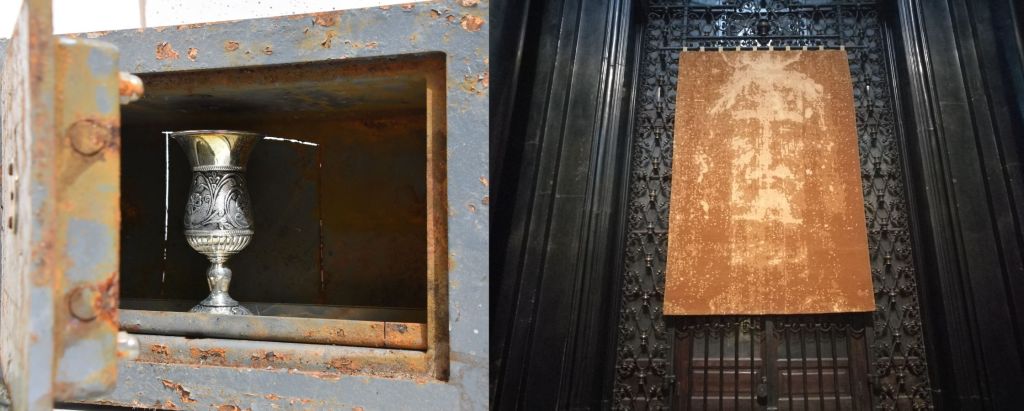
The Grail vs. The Shroud

II. Sacred Relics:

The Grail vs. The Shroud — Tangibility, Evidence, and the Materiality of Belief

Brown’s Holy Grail, interpreted as both a physical vessel and symbolic womb, is never actually seen. It exists in the realm of the speculative — an idea more than an object. Its power lies in its suggestion of suppressed knowledge and the Church’s fear of the divine feminine.

Parsons, on the other hand, chooses a relic that is very much visible and endlessly debated: the Shroud of Turin.

Unlike the Grail, the Shroud has been subjected to scientific scrutiny. It has been carbon dated, examined for pollen samples, tested for blood residue, and photographed extensively. Yet, like the Grail, its meaning is uncertain. Its authenticity remains a matter of fierce debate among theologians, scientists, and skeptics.

What makes the Shroud so fascinating is not just whether it is real — but what people need it to be.

In Joseph’s Letter, the Shroud functions as a symbol of unresolved tension between faith and empiricism. For the protagonist Michael Battersby — a journalist turned reluctant seeker — it becomes the gravitational center of grief, legacy, and unanswered questions. His late wife Margaret was quietly studying the Shroud and the Joseph scroll for years. Her hidden research sends Michael down a path that is as personal as it is political.

“This story does not chase relics for the sake of discovery. It asks why we cling to them in the first place.”

This line captures what distinguishes Joseph’s Letter from its predecessor. The novel does not use relics to uncover a thrilling truth. It uses them to interrogate the emotional architecture of belief — why we need physical proof to validate spiritual experience, and what happens when that proof undermines what we thought we knew.

III. Religious Conspiracy:

Church as Suppressor of Power vs. Church as Manager of Instability

In The Da Vinci Code, the Church operates as a guardian of tradition and suppressor of truth. Its motive is power preservation. The threat of a divine bloodline could destabilize its male-dominated authority, so the truth must remain hidden.

In Joseph’s Letter, the institutional motives are more complex. Parsons portrays the Vatican — and even global intelligence agencies — as protectors of civilizational stability. Verifying the Shroud’s authenticity is not simply a religious question. It is a political one. Cardinal O’Grady warns that doing so could “undermine the basis of Christianity and cause serious instability throughout the Americas and other parts of the world.”

This framing shifts the question from power to chaos. The Church is not hiding the truth out of greed, but out of fear. And while this does not justify secrecy, it introduces a deeply modern dilemma:

What if revealing the truth unravels not only doctrine, but identity, culture, and societal cohesion?

This is where Parsons’ novel enters philosophical territory. It is not just about faith versus reason. It is about whether the human psyche can survive radical truth. In an age where conspiracy theories thrive, institutions fracture, and reality itself is contested, Joseph’s Letter asks what level of truth we are actually ready to receive — and what we will destroy to keep things as they are.


Conclusion: A Spiritual Successor for the Post-Truth Era

The Da Vinci Code gave readers permission to doubt. Joseph’s Letter goes a step further. It asks what we will do when doubt turns to confirmation — when what we feared might be true becomes undeniable.

This novel is not merely a thriller. It is a meditation on grief, faith, and the ethics of knowledge. It bridges theology, psychology, and geopolitics in a way that feels both intimate and terrifyingly relevant.

For readers drawn to the thrill of decoding history, Joseph’s Letter offers all the elements: a mysterious scroll, an ancient relic, an institutional cover-up. But for those willing to go deeper, it delivers something more profound — an invitation to re-examine not just what we believe, but why.

If you loved The Da Vinci Code for its daring, read Joseph’s Letter for its depth. Then ask yourself: If truth really does set us free, what part of you is still afraid to hear it?


📘 Read the first chapter of Joseph’s Letter by Robert Parsons FREE.

Faith or Indoctrination? The Fine Line in Religious Education

For many students who pass through religious schools, faith is presented as a guiding light—one that offers moral clarity, a sense of belonging, and a framework for understanding the world. How can religious education balance teaching with open exploration? Where is the line between nurturing faith and enforcing belief?

Religious schools, particularly Catholic institutions, play a crucial role in shaping young minds. They introduce students to sacred texts, moral teachings, and religious rituals.

However, not all students experience religious education the same way. Some find it empowering, offering a spiritual foundation that helps them navigate life’s challenges. Others, however, feel controlled, with religion imposed upon them rather than offered as a choice.

This post explores the tension between education and indoctrination, the role of rituals in reinforcing belief, and how critical thinking can be encouraged or stifled within religious schools.

Teaching vs. Indoctrination: Where’s the Line?

Education is meant to equip students with knowledge and critical thinking skills, encouraging them to question, analyse, and form their own conclusions. Indoctrination, on the other hand, discourages independent thought and promotes blind acceptance.

The question then becomes: how do religious schools approach faith?

  • Do they encourage questions and discussions about belief, or do they shut them down?
  • Are students allowed to explore other religious perspectives, or is one doctrine enforced as absolute truth?
  • Is faith presented as a journey, or is it something to be memorised and recited without personal reflection?

In some Catholic schools, religious education is framed as a subject—one that can be studied and questioned. But in other institutions, students who express doubt are met with resistance, and questioning faith is seen as a lack of discipline rather than curiosity.

Robert Parsons, a former teacher, recalls his own experience: “In my first year of teaching, Brother Thomas, the Marist Brother school principal, asked me to teach religion. I told him I didn’t believe everything the Church told us.

He said, ‘Neither do I. Only teach what you believe.’” This rare moment of honesty within the system raises an important point—if even teachers have doubts, shouldn’t students be encouraged to think for themselves?

Read more on the role of religious instruction in schools.

The Power of Rituals: Meaningful or Just Performative?

Religious education isn’t just about lessons—it’s about rituals. Prayer, confession, sacraments, and school-wide religious observances all reinforce belief in ways that often bypass critical thought.

Consider the daily rituals in Catholic schools:

  • Morning prayers repeated daily, often without much reflection.
  • Confession, where students are encouraged (or required) to admit sins.
  • Holy Communion and Confirmation, sacraments performed in school settings.
  • Mass attendance as part of the curriculum.

For some students, these rituals hold deep spiritual significance, offering moments of reflection and connection with faith. But for others, they become rote performances, done out of obligation rather than belief. The question is, are students participating because they genuinely believe, or because it’s expected of them?

Psychologists argue that repetitive rituals can reinforce belief over time, as shown in studies on ritual behaviors and cognitive conditioning.

Research from the American Psychological Association suggests that repeated religious practices can create a deep-seated sense of identity and belonging, sometimes independent of personal conviction, even if the participant starts off without conviction. The act of kneeling, praying, and repeating sacred words can instill a sense of faith through repetition alone, rather than personal conviction.

Read more about the psychology of rituals.

Critical Thinking vs. Blind Faith

Critical Thinking vs. Blind Faith: What Are Students Really Learning?

The most effective religious education programs are those that encourage exploration rather than impose belief.

Some religious schools have begun adopting more open-ended approaches, allowing students to engage in programs like the Philosophy and Religious Studies curriculum in some Australian Catholic schools, or the interfaith dialogue initiatives seen in institutions like Georgetown Preparatory School in the U.S. These approaches encourage students to:

  • Explore different faith traditions in religious studies classes.
  • Engage in open discussions about doubt and belief.
  • Critically analyze religious texts rather than just memorize them.

But in many institutions, questioning doctrine is still seen as rebellion rather than intellectual curiosity. If students are primarily taught that faith is about obedience rather than understanding, does this approach truly educate them, or does it risk discouraging independent thought?

While some religious schools foster critical thinking, others may emphasize conformity, shaping how students engage with their beliefs.

Perhaps Brother Thomas had it right—teachers, like students, should be free to explore their beliefs, rather than enforce an absolute truth.

Final Reflection: Are We Teaching Faith, or Demanding It?

Religious education should be about helping students develop their own understanding of faith, not just accepting what they are told. Schools should encourage dialogue, exploration, and personal reflection, rather than just expecting students to conform.

But the reality is, many students leave religious schools with little more than memorized prayers and vague notions of doctrine—not a true connection to faith. Others leave with deep resentment, feeling that they were never given the chance to think for themselves.

So, what is the real goal of religious education? To create believers, or to create thinkers?


Further Reading & Resources

What do you think? Should religious education focus more on exploration, or is tradition necessary for faith to take root? Share your thoughts below.


A Thought-Provoking Invitation

Curious to see these ideas play out in fiction? Joseph’s Letter takes you deep into the questions of faith, doubt, and the search for truth within religious education. Download the first chapter for free and step into a story that challenges the very foundation of belief.

Faith in the Classroom: How Catholic Education Shapes, Challenges, and Sometimes Harms Young Minds

For many children, school is where they first encounter rules, authority, and the early seeds of their identity. In Catholic schools, these lessons are often intertwined with religion—structured, routine, and sometimes unquestioned. For some, it provides a sense of moral grounding.

For others, it is just another subject to get through before the bell rings. But what happens when religious education is not just passive learning but an active force that shapes a child’s self-worth, sense of belonging, or even long-term mental health?

This post explores the role of Catholic education, the ways religion is often treated as just another subject, and the lasting impact—both positive and harmful—that teachers can have on young students.

The role of faith in Catholic Schools

Religion as Routine: The Role of Faith in Catholic Schools

In theory, Catholic schools aim to nurture both academic and spiritual development. Prayer, religious studies, and moral instruction are embedded into daily life. But for many students, religion in Catholic schools is less about deep reflection and more about memorization, routine, and box-ticking.

  • Morning prayers begin the day, but students repeat them without much thought.
  • Religious education classes focus on history, doctrine, and scripture but often discourage questioning or debate.
  • Sacraments and ceremonies like First Communion and Confirmation are part of the school calendar, yet many students go through the motions without a true personal connection to their faith.

For many students, faith becomes another academic subject—just like math or science—one that is studied, tested, and then left behind when the school day ends. Without deep engagement, students often graduate from Catholic schools with a surface-level understanding of religion, rather than a meaningful, personal faith.

Does treating religion as routine strengthen or weaken belief? Can faith be nurtured in an environment where questioning is often discouraged?

Read more on the role of religious education in Australian schools.

The Power of Teachers: Lifelong Influence, for Better or Worse

Teachers shape how children see the world. A single moment of kindness or cruelty can stay with a student for life. Catholic schools, in particular, have long been associated with strict discipline and rigid authority. Many students recall nuns, brothers, or teachers whose words or actions left a lasting impression—sometimes inspiring, sometimes damaging.

Take, for example, a five-year-old child named Robert Parsons, who was excited for his first day of Catholic kindergarten. When the nun asked his name and he answered, she responded: “That’s not a Catholic name.” In that single moment, a child who had no control over his heritage was made to feel excluded from the community that was supposed to educate him.

Another case involves a teacher whose rigid and punitive approach triggered long-term anxiety in a student. This is not uncommon. Research shows that early school experiences—especially in strict, authoritative environments—can contribute to low self-esteem, anxiety disorders, and a lasting sense of inadequacy.

Explore studies on teacher impact and childhood anxiety.

How many students have carried silent wounds from words spoken by a teacher who never thought twice about them? Can faith-based education balance discipline with compassion?

Authority, Fear, and Faith: The Impact of Religious Discipline

Many Catholic schools historically used a strict, fear-based approach to discipline. Corporal punishment was once common. Even as physical punishment faded, emotional and psychological discipline remained deeply ingrained.

  • Some teachers emphasized obedience over understanding.
  • Questioning religious teachings was often seen as disrespect rather than curiosity.
  • Feelings of shame and guilt were sometimes used as teaching tools.

Students internalized messages that authority should not be questioned, that their doubts were unimportant, and that compliance mattered more than understanding. This approach has left lifelong impacts, with many former Catholic school students expressing struggles with guilt, perfectionism, or religious trauma.

Read about the psychological effects of religious-based guilt and shame.

Does discipline rooted in faith create strong moral individuals, or does it instill fear-based obedience? How can Catholic schools foster critical thinking without undermining their religious foundations?

The Future of Catholic Education: Rethinking Its Role

Catholic schools today face a changing world. Fewer students are practicing Catholics, and modern education increasingly values critical thinking over rote learning. Some Catholic schools have adapted by fostering open discussions on faith, while others still emphasize rigid structure and tradition.

The question remains: What should Catholic education look like in the 21st century?

  • Should religious education focus more on philosophy and ethics, rather than memorization?
  • How can teachers be trained to ensure they support students emotionally, rather than enforcing exclusionary discipline?
  • Can Catholic schools remain relevant if faith is treated as just another subject?

Explore how modern Catholic schools are evolving.

Final Reflection: The Lessons We Carry

Every student who has passed through a Catholic school carries something with them—whether it is a strong foundation of faith, a sense of moral guidance, or scars from a teacher’s harsh words. The challenge for Catholic education today is to ensure that what students take with them is not fear, shame, or passivity—but a genuine understanding of faith, ethics, and self-worth.

The influence of teachers is profound. The way faith is taught matters. The impact of school discipline lingers far beyond the classroom.

So, how do we ensure that Catholic education nurtures rather than wounds? How do we make sure faith is more than just another subject?


Further Reading & Resources

What was your experience with religious education? Did it shape you positively, or do you still carry the weight of early lessons? Share your thoughts below.


Want to Explore These Themes in Fiction?

If you found this discussion engaging, you’ll love Joseph’s Letter—a novel that explores faith, education, and the search for deeper truths. Download the first chapter for free and dive into a story that challenges the way we think about belief, doubt, and the institutions that shape us.

The Catholic Church and the Shadows of Abuse: Reckoning with History and Seeking Justice

For centuries, the Catholic Church has been one of the most powerful religious institutions in the world, influencing millions through its teachings, traditions, and moral guidance.

Yet, beneath its sacred vows and sermons, the Church has also been plagued by one of the most devastating scandals in modern history: the widespread sexual abuse of children and its systematic cover-up.

From Boston to Australia, the scope of the crisis has left lasting scars on victims, shaken the faith of believers, and forced a global reckoning on accountability and justice.

This blog explores the history, key cases, institutional failures, and ongoing efforts for justice—while asking some difficult but necessary questions about the future of the Catholic Church and its moral standing in society.

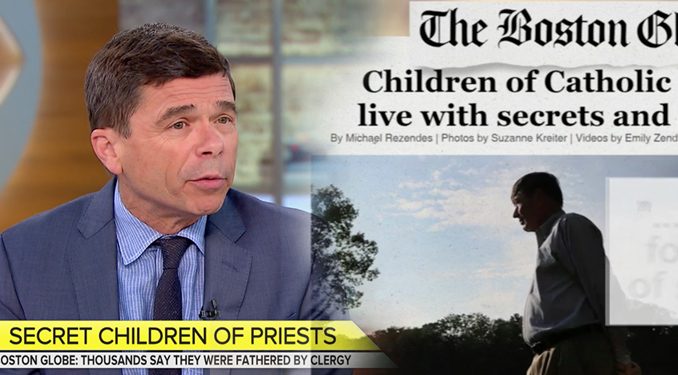
Image source: Catholic World Report

The Boston Scandal: A Turning Point in Global Awareness

While cases of abuse within the Catholic Church had been whispered about for decades, it was Boston in 2002 that forced the world to pay attention. Investigative journalists at The Boston Globe uncovered a decades-long pattern of priests abusing minors and the Church systematically covering it up.

The report revealed how the Archdiocese of Boston, under Cardinal Bernard Law, knowingly reassigned abusive priests instead of removing them, allowing them to continue harming children.

The impact was seismic. Hundreds of victims came forward, lawsuits were filed, and Cardinal Law eventually resigned (though he was later reassigned to a prestigious position in the Vatican). The Boston revelations triggered a wave of similar investigations worldwide, proving that the crisis was not confined to one diocese or country—it was a global problem.

Read The Boston Globe’s Pulitzer-winning exposé on the abuse scandal.

The Australian Reckoning: The Royal Commission and Its Findings

In Australia, the issue reached national attention in the early 2000s, but it wasn’t until 2013 that the Australian government launched the Royal Commission into Institutional Responses to Child Sexual Abuse. This was one of the most comprehensive inquiries into child abuse ever conducted, spanning five years, hearing from over 8,000 survivors, and exposing decades of systemic failures within religious and non-religious institutions.

Among its most shocking findings:

  • Over 4,400 allegations of child sexual abuse in Catholic institutions alone.
  • 62% of reported offenders were priests.
  • The average time between abuse and reporting was 33 years, highlighting the trauma and difficulty survivors faced in speaking out.
  • Church leaders, including Cardinal George Pell, were accused of actively covering up abuse cases.

The final report made 189 recommendations, including mandatory reporting laws and structural reforms to ensure greater transparency. Despite this, critics argue that the Church’s response remains insufficient, as many leaders continue to resist full accountability.

Read the final report of the Royal Commission into Institutional Responses to Child Sexual Abuse.

The Culture of Silence and Cover-Ups

The abuse crisis was not just about individual predators—it was about an institution that protected them. Key patterns emerged across multiple countries:

  • Reassigning accused priests instead of removing them.
  • Pressuring victims to stay silent, often through settlements that included non-disclosure agreements.
  • Destroying records of allegations instead of reporting them to law enforcement.
  • Prioritizing the Church’s reputation over the protection of children.

Why did this happen? One reason is the Church’s hierarchical and insular nature. The vow of obedience meant that lower-ranking priests and bishops followed orders without question. The emphasis on avoiding scandal led to internal handling of complaints rather than involving authorities.

Does the Church still prioritize protecting itself over its victims? What more can be done to ensure real accountability?

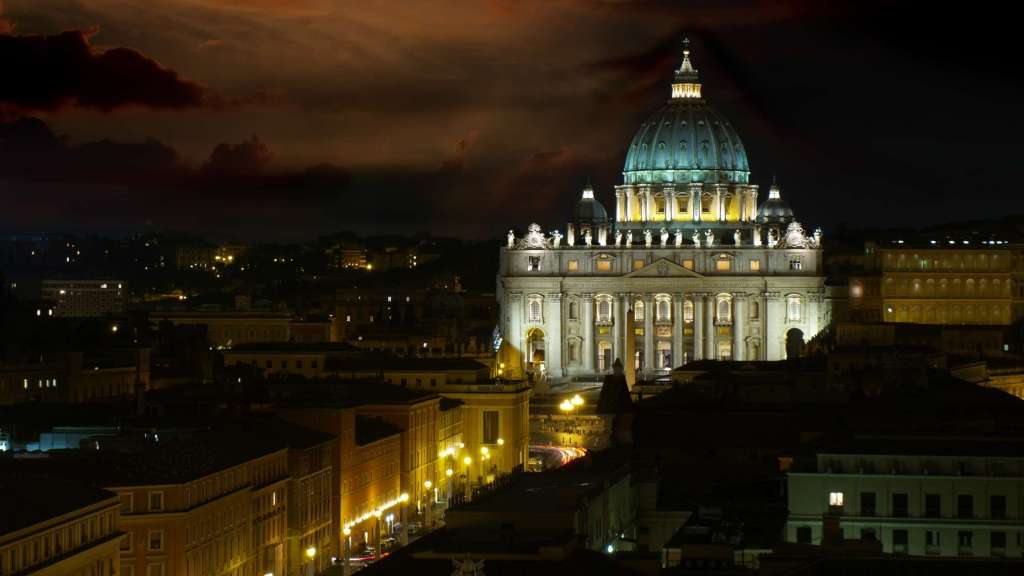
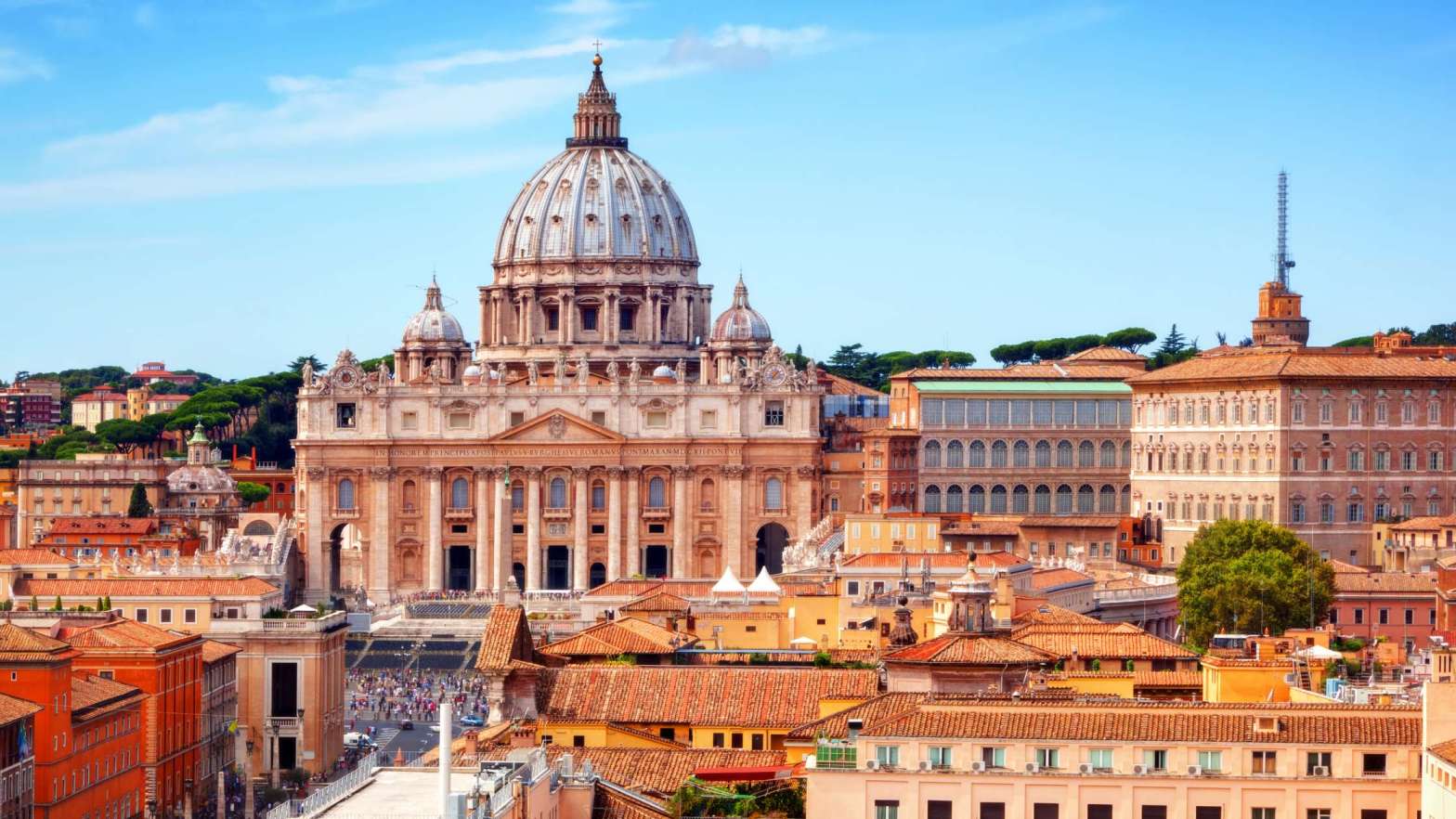
The Vatican at night

The Vatican’s Response: Too Little, Too Late?

The Vatican has long been criticized for its slow and inadequate response. While Pope Francis has made some efforts toward reform, including:

  • Establishing a global abuse reporting system.
  • Defrocking abusive priests.
  • Hosting a summit on sexual abuse in 2019.

Many argue that these actions are symbolic rather than systemic. Survivors demand real institutional change, such as:

  • Eliminating the secrecy surrounding abuse investigations.
  • Holding bishops and cardinals accountable for cover-ups.
  • Providing financial compensation and psychological support for victims.

Yet, the Vatican still refuses to release many internal documents, raising concerns about whether it is truly committed to transparency.

Read Pope Francis’s 2019 statement on clergy abuse.

Survivor Justice: What Progress Has Been Made?

Despite the slow progress, survivors have fought tirelessly for justice. Their efforts have led to:

  • Millions in compensation payouts, though some argue this does not erase the trauma.
  • Changes in laws making it easier to prosecute historical abuse cases.
  • A cultural shift in how abuse survivors are treated, with more awareness and support services.

However, challenges remain. Many survivors are still battling legal and financial barriers, and some fear that as media attention fades, so will the pressure for change.

Is justice ever truly possible in such cases? How can institutions ensure survivors receive the support they need?

The Moral and Theological Crisis: Can the Church Regain Trust?

Beyond legal and financial consequences, the abuse scandal has led to a deep crisis of faith. Many Catholics have left the Church, unable to reconcile their beliefs with an institution that enabled such atrocities.

This leads to fundamental questions:

  • Can the Catholic Church ever restore its moral authority?
  • Is it enough to punish individual offenders, or does the entire structure need reform?
  • How can believers separate their faith from the institution that betrayed it?

For some, faith remains personal and separate from the failings of Church leadership. For others, the scandal has shattered their belief in organized religion altogether.

Final Reflection: A Church at a Crossroads

The Catholic Church stands at a moral crossroads. It can either fully embrace transparency and accountability or risk further erosion of its influence and credibility. The abuse scandal has already caused untold suffering and a massive loss of trust—but it is not too late for meaningful reform.

Perhaps the greatest lesson from these scandals is that institutions should never be placed above individuals, especially children. If faith is to mean anything, it must stand for justice, protection, and truth—not secrecy and silence.

But will the Church learn from its past, or will history repeat itself?


Further Reading & Resources

What do you think? Can the Catholic Church truly reform, or is the damage irreversible? Share your thoughts below.


A Call to Curiosity

If this discussion made you think, you’ll love Joseph’s Letter—a novel that asks the hard questions about faith, religious education, and personal conviction. Get the first chapter free and see where the journey takes you.

The Catholic School Paradox: Faith, Education, and the Role of Religion in Modern Classrooms

For a system built on resistance to discrimination, Australia’s Catholic schools have taken an unusual turn. Once created as a response to anti-Catholic government policies, they now educate nearly 40% of students who aren’t Catholic and receive significant public funding.

Meanwhile, in the United States, Catholic schools struggle to survive due to a stronger separation of church and state. This raises a set of intriguing questions: Why do so many non-religious families choose Catholic schools? Should taxpayer dollars fund religious institutions?

Has Catholic education evolved into something more secular, or does it still serve its original mission? These complexities shape the ongoing conversation about faith, education, and modern society.

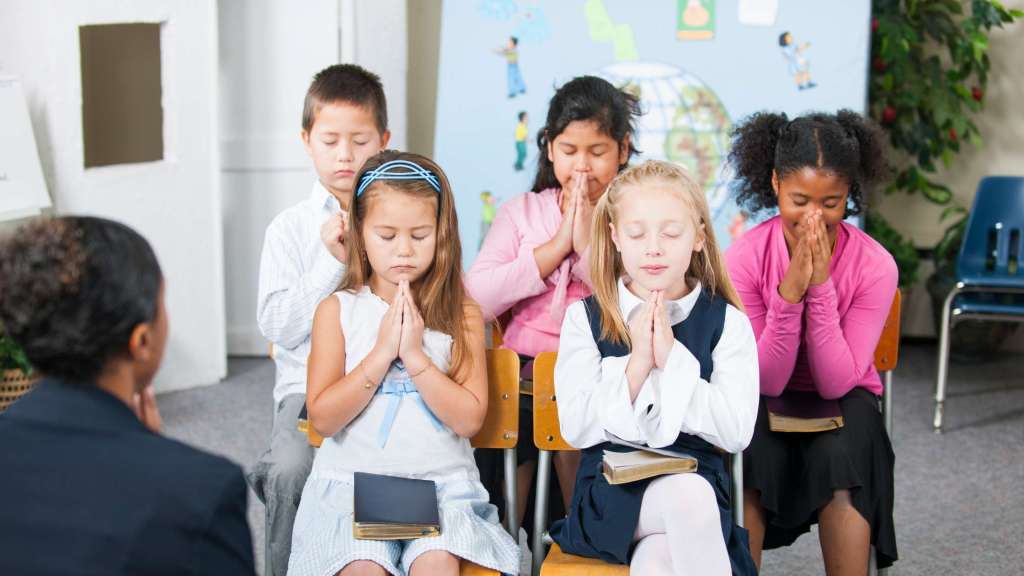
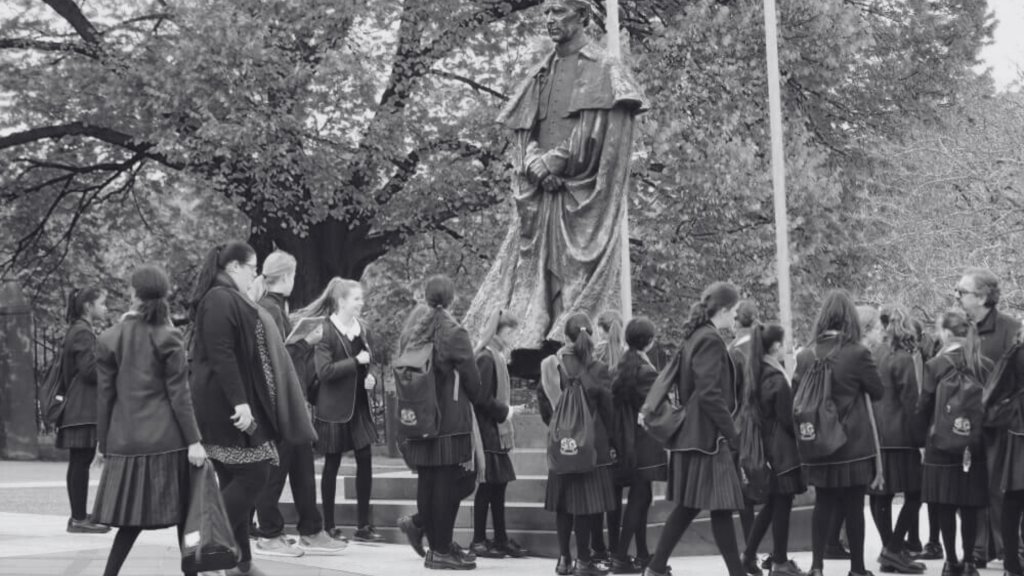
Students in a Catholic School

Image Source: Shutterstock

A History of Resistance: How Catholic Schools Came to Be

Catholic schools in Australia were not established as an alternative private education option but rather as a necessity for Catholic survival. In the 19th century, the Australian government was openly biased against Catholics, many of whom were Irish immigrants.

Funding for Catholic schools was cut off entirely in the 1870s, forcing the Catholic Church to establish its own system. Fast forward to today, and Catholic schools are no longer marginalized but deeply integrated into the education system.

Unlike the U.S., where religious schools receive little public money, Australian Catholic schools are government-funded, meaning taxpayers—regardless of religious belief—subsidize their operations.

This has led to ongoing debates about whether public money should support religious institutions and to what extent Catholic schools should be held to the same standards as public schools.

Read more on the history of Australian Catholic education.

Publicly Funded, Privately Run: Should Catholic Schools Get Government Money?

In Australia, Catholic schools receive billions of dollars in government funding each year. They operate similarly to public schools but with a religious framework. The paradox? Many students aren’t Catholic, and some schools even have higher fees than public schools while still receiving subsidies. In contrast, the U.S. has a strong constitutional separation of church and state, making public funding of religious schools highly controversial. School voucher programs exist, allowing families to use public funds for religious schools, but they remain hotly debated.

Explore how U.S. voucher programs work.

If a school receives public money, should it be required to follow the same rules as public schools in areas like hiring policies and curriculum requirements? Or does government funding blur the line between religion and state? These questions continue to fuel discussions on both sides of the debate.

Who Attends Catholic Schools—And Why?

Catholic schools today serve a much broader demographic than their founders intended. In Australia:

  • 40% of students aren’t Catholic
  • 50% are baptized but non-practicing
  • Many families enroll for academic reputation, discipline, and affordability compared to elite private schools

In the U.S., Catholic school enrollment has dropped significantly due to declining religious affiliation and financial constraints. While Catholic schools once dominated the private school sector, many have closed or merged in recent decades.

See U.S. Catholic school enrollment trends.

Has Catholic education become just another private school brand rather than a faith-based institution?

Catholic Schools in Australia

Faith vs. Education: Are Catholic Schools Still Religious?

Historically, Catholic schools were meant to preserve religious identity and ensure students received an education rooted in faith. But today:

  • Religious studies are often treated as just another subject, not a core belief system.
  • Many Catholic schools accept students from all backgrounds, creating a more inclusive but less religious environment.
  • Some Catholic schools struggle with modern social issues (e.g., LGBTQ+ inclusion, sex education, science vs. faith).

As the student body diversifies, should Catholic schools continue prioritizing faith, or should they embrace a more secular identity? This tension remains unresolved, as Catholic schools attempt to uphold religious traditions while adapting to contemporary expectations.

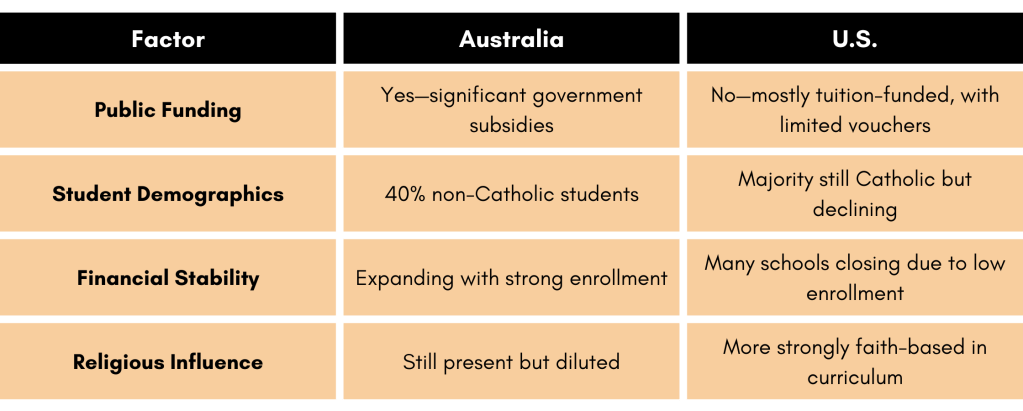
Australia vs. the U.S.: A Tale of Two Catholic School Systems

Australia vs. the U.S.: A Tale of Two Catholic School Systems table

The Australian model integrates Catholic schools into the national education system, while the U.S. model separates them more starkly. Which approach is better? That depends on how you view the role of religion in society.


The Bigger Picture: What This Says About Religion and Society

The evolution of Catholic education is part of a broader conversation about faith in a secular world:

  • Are Catholic schools a way to keep religion relevant, or have they become secular institutions with a religious brand?
  • Should religious schools be allowed to shape education if they receive public funding?
  • If fewer people actively practice Catholicism, what role should Catholic schools play in the future?

For many families, Catholic schools are not about faith but about opportunity—better education, structure, and affordability compared to elite private schools. But this shift raises questions about what it really means to be a Catholic school in the modern world.

Final Reflection: Beyond Right or Wrong

There’s no simple answer to the questions surrounding Catholic education. It’s a complicated, evolving institution that reflects the tensions between tradition and progress, faith and pragmatism, religious identity and secular reality.

As we move forward, perhaps the real question isn’t whether Catholic schools should exist or be publicly funded, but what they should stand for. Are they guardians of faith? Are they just an alternative to public schools? Or are they something else entirely?

We leave it to you to decide.


Further Reading

What do you think? Are Catholic schools still religious institutions, or have they evolved into something else? Share your thoughts below.


Personal Journey Approach

Faith, doubt, and education—what happens when they collide? Joseph’s Letter explores these very questions through a gripping narrative. Start reading the first chapter for free and immerse yourself in a story that makes you think twice about what we’re taught to believe.

Protecting People, Not Institutions: What Australia’s Royal Commission Revealed About Catholic Schools Globally

Catholic education plays a significant role in Australia’s school system, with one in four students attending a Catholic school. This makes the Catholic Church one of the most powerful forces in the country’s education system, shaping the education of nearly 20% of Australia’s student population.

Despite being private institutions, Catholic schools receive billions of dollars in public funding, yet they operate under a governance structure that limits external oversight. The power of the Catholic dioceses means that bishops hold unchecked authority over schools, making key decisions with little to no government intervention.

While Catholic schools have long been recognized for their academic excellence, historical and recent failures in accountability have revealed the dangers of an unchecked institution. The Royal Commission into Institutional Responses to Child Sexual Abuse exposed shocking patterns of institutional cover-ups and protection of perpetrators.

This raises serious concerns about the lack of accountability within the Catholic school system and poses a crucial question—who do these schools truly serve? Do they prioritize the well-being of students, or do they act in the interests of the institution and its power?

Catholic Schools

Catholic Dioceses and Their Lack of Transparency

Unlike public schools, Catholic schools are not governed by a centralized education department. Instead, they operate under a diocesan system, where bishops hold supreme authority over policies, staffing, and internal disciplinary matters.

This model has allowed dioceses to function like independent kingdoms, with each bishop acting as the final decision-maker. Unlike government-run institutions, Catholic schools are not subjected to the same levels of scrutiny, external audits, or mandatory accountability measures.

The lack of government oversight has created a system where institutional secrecy is common. Without transparency, cases of misconduct have historically been handled within the Church, rather than through legal and judicial channels. Allegations of wrongdoing—including instances of child abuse—were often addressed internally, with minimal external intervention.

In many cases, clergy accused of misconduct were simply transferred to other schools or parishes, rather than being investigated properly. This structure has been one of the greatest enablers of institutional cover-ups in Australian history.

Comparing Catholic Schools in Australia and the U.S.

While Catholic schools hold significant influence in Australia, their role in other countries, particularly the United States, differs in scale and governance. In Australia, nearly one in four students is enrolled in a Catholic school, making the Church a dominant force in education.

In contrast, in the United States, Catholic schools represent only about 6.3% of the total K-12 student population. Unlike Australia, where Catholic schools receive billions in public funding, American Catholic schools receive little to no direct government support and rely more heavily on private tuition and donations.

The difference in governance is also notable. In the United States, state laws regulate aspects of private education, meaning that Catholic schools are often subject to external oversight in ways that Australian Catholic schools are not.

While cases of abuse have also been documented within American Catholic institutions, the scale and systemic nature of cover-ups have not reached the same levels of exposure as in Australia.

This contrast highlights how government oversight and funding structures play a significant role in institutional accountability. In Australia, the Church enjoys both public funding and self-governance, a combination that has allowed misconduct to go unchecked for decades.

The Royal Commission and the Failure to Protect Children

The Royal Commission into Institutional Responses to Child Sexual Abuse, launched in 2013, was one of the most comprehensive investigations into child abuse ever conducted.

Over five years, it examined how institutions—including Catholic schools, churches, and other religious organizations—handled allegations of abuse. The findings were deeply troubling, exposing a pattern of systematic cover-ups and failures.

The Commission’s report revealed that 7% of Catholic priests working between 1950 and 2010 had been accused of child sexual abuse. More than 4,400 allegations were made against members of the Church, yet in many cases, these allegations were ignored or actively concealed.

Survivors who attempted to speak out were often dismissed, silenced, or pressured into secrecy. The Church frequently protected perpetrators, moving them to different schools and parishes rather than removing them from positions of authority.

Perhaps the most shocking revelation was that Church leaders routinely failed to report cases of abuse to law enforcement. Instead of prioritizing justice for victims, bishops and school administrators sought to protect the reputation of the Church.

Many survivors were even forced into confidential settlements, which prevented them from speaking publicly about their experiences. The findings of the Royal Commission undeniably proved that institutional self-preservation had been placed above the safety and well-being of children.

Reforming Catholic Schools

Reforming Catholic Schools: A Call for Transparency and Accountability

The lessons from the Royal Commission should serve as a blueprint for reform, not just in Australia but for Catholic institutions worldwide. Moving forward, several fundamental changes are needed to ensure faith-based schools prioritize child protection over institutional reputation.

Mandatory External Oversight

Catholic schools must be held to the same level of accountability as public schools. This includes regular government audits of child safety practices, external reviews of misconduct cases, and transparency in school policies. Currently, there is no national Catholic education authority overseeing all Catholic schools in Australia. Instead, dioceses operate independently, meaning there is no uniform standard for child protection measures. A national regulatory body for faith-based schools would provide greater consistency and accountability.

Mandatory Reporting Laws Must Apply Universally

One of the biggest failures exposed by the Royal Commission was the fact that many Church officials refused to report abuse cases. Some bishops even invoked the “seal of confession” as a reason to withhold knowledge of crimes. Religious institutions must be legally required to report all allegations of abuse to law enforcement, not just internal Church bodies. The Church should not be allowed to operate outside the boundaries of the legal system when it comes to criminal acts.

Justice for Survivors

The Church must move beyond public apologies and take real action to support survivors. This includes:

  • Providing financial restitution for survivors who suffered abuse in Church-run schools.
  • Publicly acknowledging the failures of past leadership in order to rebuild trust.
  • Ensuring that individuals who covered up abuse are removed from positions of power.

Justice cannot be fully realized until the Church acknowledges the full scope of its failures and takes concrete steps to prevent further harm.

The Future of Catholic Education Must Be Transparent

Catholic schools continue to play an important role in Australia’s education system, but trust in these institutions has been broken. The Royal Commission’s findings should be a turning point, demonstrating that no institution—no matter how powerful—should be above accountability.

For the Catholic Church to continue providing education in Australia, it must commit to complete transparency. The safety and well-being of students must always come before the reputation of the Church.

Moving forward, government oversight must be strengthened, reporting laws must be enforced, and survivors must receive the justice they deserve. The days of institutional secrecy and unchecked power must come to an end.

Truth, Faith, and the Human Spirit

“In Joseph’s Letter, Michael Battersby believes that if he can uncover the right information, everything will make sense. He assumes that once the truth is found, faith will no longer be uncertain. But as he progresses, he learns that truth is often hidden not because it is lost, but because it has been kept from those who seek it. His journey is not just about finding knowledge, but about confronting the reasons why it has been withheld. The same applies to institutions that claim to serve truth. If faith is real, then the truth should never need to be concealed.”

Get the first chapter of Joseph’s Letter for free by subscribing to our newsletter.


For further reading, visit the Royal Commission website.

Buried Histories: The Vatican’s Most Controversial Secrets

The Chinon Parchment: The Hidden Exoneration of the Knights Templar

One of the Vatican’s most significant hidden records is the Chinon Parchment, discovered in 2001. This document revealed that Pope Clement V had secretly absolved the Knights Templar of heresy in 1308—contradicting the historical narrative that the Templars were guilty.

For centuries, the belief that the Templars were heretics shaped history. Had this document been publicly available, it could have changed how the world viewed medieval Christianity (History.com).

The Chinon Parchment

The Three Secrets of Fátima: What Was the Vatican Hiding?

In 1917, three Portuguese children claimed to have received visions from the Virgin Mary, who entrusted them with three secrets.

The first two were revealed in 1941, but the third remained a secret until 2000. The Vatican’s decision to withhold it for nearly 60 years led to wild speculation that it contained apocalyptic prophecies. Even after its release, some questioned whether the full truth had been shared (Wikipedia).

The Apostolic Penitentiary: The Vatican’s Confidential Tribunal

The Apostolic Penitentiary is a tribunal within the Catholic Church that handles cases of grave sins so serious that only the Pope can absolve them.

For centuries, even the existence of this tribunal was a secret. It was only publicly acknowledged in 2009, despite the fact that it had been in operation for centuries. The secrecy surrounding these absolutions has only fueled speculation about what remains hidden behind closed doors (The Week).

The Ethics of Secrecy in Religion

Religious institutions are meant to serve as moral guides, standing for truth and justice. Yet, when secrecy exists within these institutions, it often serves to protect the institution rather than the people it claims to serve.

This has been most evident in recent scandals, particularly involving the cover-up of clergy abuse. Investigations have revealed that Church officials prioritized protecting their reputation over addressing these crimes, leading to widespread criticism and demands for greater transparency (OSV News).

Stephen White, executive director of The Catholic Project, has stated that “transparency is the remedy to scandal, not the cause of it” (OSV News).

If an institution claims to stand for truth, it should not hesitate to make truth available.

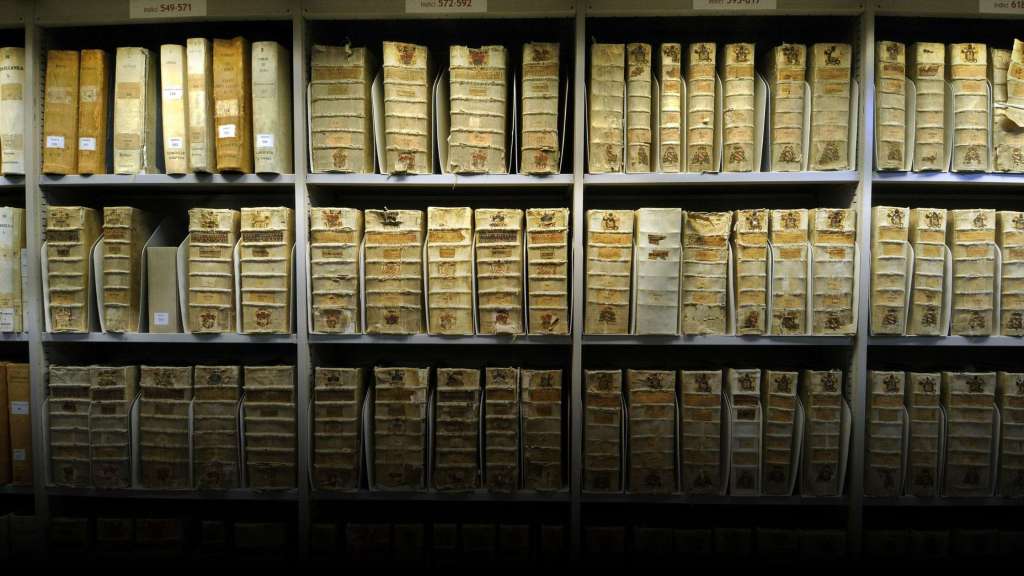
Vatican Library

What Faith Can Learn From Libraries

Libraries provide an example of what true openness looks like. They empower individuals by making history, science, philosophy, and religious texts available for anyone who seeks knowledge.

Imagine if religious institutions adopted the same approach. What if the Vatican made historical texts available to all? What if individuals were encouraged to examine history rather than accept authority without question?

Faith should not rely on secrecy. Truth should be shared.

A Call for Transparency

If the Catholic Church truly believes in honesty and the pursuit of truth, it must embrace greater openness. This could mean:

  • Providing public access to historical documents
  • Addressing past cover-ups with full transparency
  • Making religious history and decision-making open for discussion

The Catholic Church holds an immense amount of historical knowledge. Sharing that knowledge could strengthen faith rather than weaken it. The power of religion should come from its teachings, not from what remains hidden.

Truth, Faith, and the Human Spirit

“In Joseph’s Letter, Michael Battersby believes that if he can uncover the right information, everything will make sense. He assumes that once the truth is found, faith will no longer be uncertain. But as he progresses, he learns that truth is often hidden not because it is lost, but because it has been kept from those who seek it. His journey is not just about finding knowledge, but about confronting the reasons why it has been withheld. The same applies to institutions that claim to serve truth. If faith is real, then the truth should never need to be concealed.”

Get the first chapter of Joseph’s Letter for free by subscribing to our newsletter.

Final Thoughts

Libraries remind us that truth should be shared. The Catholic Church and other religious institutions face a choice. They can remain locked in secrecy, or they can embrace transparency.

If faith is grounded in truth, then truth should be accessible to all.


For more information on the Vatican Apostolic Archive, visit the official Vatican Archives website.

Faith, War, and the Question of God: What the Israeli-Palestinian Conflict Reveals About Religion

War and faith have long been intertwined. From the Crusades to modern-day conflicts, religious belief has often been invoked to justify territorial disputes, violence, and the suffering of civilians. But when we strip away the politics, the power struggles, and the historical grievances, a deeper question emerges:

What does the Israeli-Palestinian conflict say about God?

If religion is meant to be a force for peace, why does it so often fuel war? And if God is just, how do we reconcile that with the suffering of tens of thousands of innocent people?

As the conflict in Gaza intensifies, these questions are more pressing than ever.

Israeli-Palestine Conflict

Photo credit: Sky News

The Human Cost of a War Over Land

Since the October 7, 2023, Hamas-led attack on Israel, the scale of destruction has reached catastrophic levels. More than 1,200 Israelis were killed in the initial assault, and over 240 hostages were taken. Israel’s response has been overwhelming. As of January 2025, reports indicate that more than 46,600 Palestinians have been killed in Gaza, with over half of the identified victims being women, children, or the elderly (Reuters).

In addition to the staggering loss of life, over 1.9 million Gazans—nearly 85% of the population—have been displaced from their homes (AP News). The humanitarian crisis is one of the worst in modern history, yet the cycle of violence continues.

Both sides claim religious and historical rights to the land. But at what cost? And more importantly, is this what God would want?

Religion as Justification for Violence

The land of Israel-Palestine holds profound religious significance for Jews, Muslims, and Christians alike. Jerusalem, home to the Western Wall, the Al-Aqsa Mosque, and the Church of the Holy Sepulchre, is a sacred city for three major world religions. But that shared reverence has not led to coexistence—it has instead fueled centuries of conflict.

For many Israeli settlers, the belief that God granted the land of Israel to the Jewish people is non-negotiable. This theological stance drives efforts to expand Israeli settlements, despite international condemnation (The Guardian).

On the Palestinian side, Hamas—a fundamentalist Islamist organization—invokes religious duty in its call for armed resistance, claiming that jihad is necessary to reclaim their homeland (Al Jazeera).

Both sides claim divine justification. Yet both sides are also responsible for immense human suffering.

If we take religious texts at face value, the core tenets of all three Abrahamic faiths—Judaism, Christianity, and Islam—preach peace, justice, and compassion. But history has repeatedly shown that religion, when wielded as a political tool, often leads to destruction rather than salvation.

Stop the war

The Ethics of War: When Does It Stop?

In times of war, leaders often claim that violence is a necessary evil. But at what point does “defense” become indiscriminate slaughter?

Israel justifies its military campaign as a defensive response to Hamas, arguing that eradicating the terrorist group is the only way to secure peace. However, the disproportionate use of force has raised global alarm. The International Criminal Court is currently investigating potential war crimes committed by both Hamas and Israel (BBC).

Meanwhile, controversial political figures like Donald Trump have suggested extreme measures, including forcibly relocating Palestinians from Gaza—a proposal that international legal experts have condemned as ethnic cleansing (The Times).

If leaders on both sides invoke faith to justify war, then we must ask: At what point does religion cease to be a guide for morality and instead become a tool for oppression?

Moving Forward: Faith as a Path to Peace

Despite the bloodshed, history offers us glimpses of another path. Religious leaders, scholars, and activists across the world continue to advocate for peace based on shared values, rather than division.

One such example is Kairos Palestine, a movement led by Palestinian Christians calling for nonviolent resistance and an end to the occupation. Their 2009 declaration states:

“The Israeli occupation of Palestinian land is a sin against God and humanity, because it deprives Palestinians of their basic human rights and distorts the image of God in the oppressor and the oppressed alike.”

Their call to action is not for violence, but for peace rooted in justice (Kairos Palestine).

Similarly, interfaith organizations like Churches for Middle East Peace work to promote reconciliation, urging world leaders to pursue a diplomatic resolution that recognizes both Israeli and Palestinian rights to self-determination (Churches for Middle East Peace).

These efforts remind us that religion can still be a force for healing, rather than destruction. But that requires religious leaders and believers alike to reject extremism and embrace the core message of peace that faith was meant to embody.

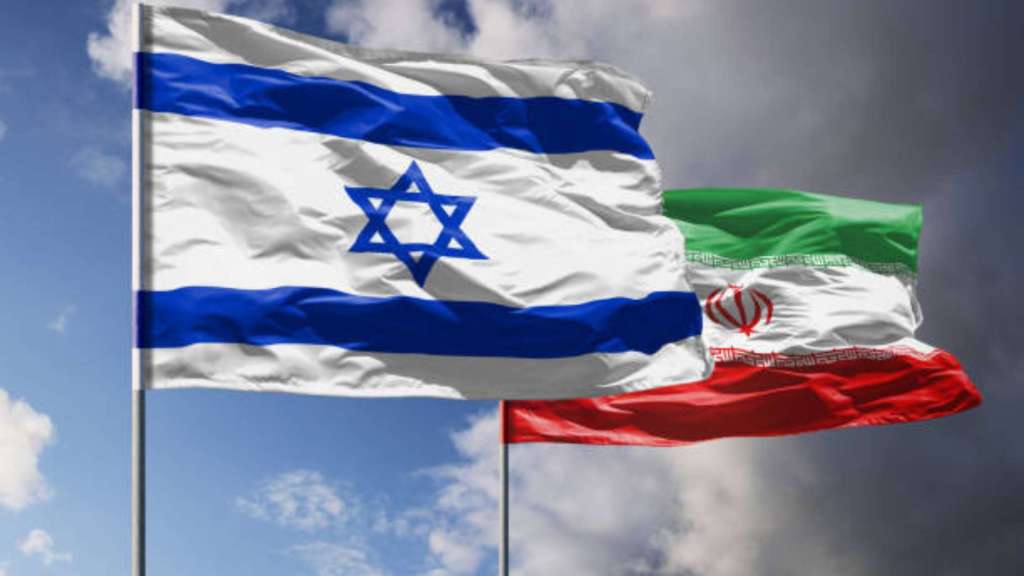
Israel-Palestine flags

Faith, War, and the Human Spirit

“In Joseph’s Letter, Michael Battersby believes that if he can just find the truth—just one piece of undeniable proof—then everything will make sense. But as his journey unfolds, he comes to realize that certainty is an illusion. Faith, whether in religion or justice, is not about having all the answers—it’s about making choices in the face of uncertainty. The same is true for this conflict. If we wait for a perfect solution, for a moment where all history is resolved and all grievances erased, we will never move forward. The question is not whether absolute justice can be achieved, but whether we have the courage to choose peace, even when the path is unclear.”

Download the first chapter of Joseph’s Letter for free by subscribing to our newsletter.

Final Thoughts

This war is not just about politics. It is about people—mothers, fathers, children—who are suffering because of decisions made in the name of faith and history. If religion is to mean anything, it must mean more than land. It must mean humanity.

Until we embrace that truth, the cycle of violence will never end.

Vatican City: The Secrets of the World’s Most Powerful Church

For centuries, Vatican City has stood as the spiritual heart of Catholicism, a fortress of faith, and a symbol of religious authority. But beyond the grand basilicas and Michelangelo’s frescoes lies something more elusive: a vault of untold knowledge.

The Vatican is not just the seat of the Pope—it is one of the most secure repositories of historical documents, religious relics, and, some argue, hidden truths that could reshape our understanding of history.

Among these mysteries is the Shroud of Turin, an object that continues to ignite debate between faith and science. But this raises a deeper question: If the Vatican is the guardian of history, why does it guard so many secrets?

Why Do People Believe in God? The Vatican’s Role in Shaping Faith

Belief in God is as old as human civilization itself, but the institutionalization of that belief has always involved power, control, and the gatekeeping of knowledge. The Catholic Church presents itself as the original and universal faith, tracing its roots to the birth and death of Jesus Christ. But if it is truly the guiding light of divine truth, why are so many of its records locked away from public view?

The Vatican’s vast archives reportedly contain over 50 miles of shelving, holding centuries of papal correspondence, doctrinal decrees, and records that could change the way we understand Christianity. There is no public catalog of everything stored within its walls, and access is strictly controlled.

Some of the Church’s most sacred claims—such as the authenticity of the Shroud of Turin—are shrouded (pun intended) in this veil of secrecy.

The Shroud of Turin: Faith, Forensics, and Vatican Control

The Shroud of Turin, believed by many to be the burial cloth of Jesus Christ, has been a subject of fascination and controversy for centuries. If the Vatican holds definitive proof of its authenticity—or its fabrication—why not release it?

Consider this: When people were crucified in the Roman era, they were stripped naked. The execution was meant to be as humiliating as it was painful. If a burial shroud existed, it would have been a privilege, not a standard practice. So why does the image on the Shroud show a modestly covered figure? Could this be an artistic interpretation, created centuries later to align with religious sensibilities?

And if the Vatican possesses further evidence—texts, relics, or forensic studies—why does it maintain an air of mystery instead of offering full transparency?

The Vatican, Secrecy, and the Power of Knowledge

Throughout history, the Church has carefully curated what it reveals to the public, often prioritizing preservation of its power over full disclosure.

This is not speculation; history shows us how information was controlled for centuries:

The Handling of Child Abuse Scandals – The Vatican has repeatedly been accused of shielding priests from justice rather than addressing systemic abuse within the Church. The Australian Royal Commission into Institutional Responses to Child Sexual Abuse revealed that the Vatican obstructed investigations rather than cooperating fully.

The Suppression of Religious Texts – Dozens of gospels and writings from early Christianity were excluded from the Bible we know today. The Gospel of Thomas, the Gospel of Mary Magdalene—why were these voices silenced?

Galileo and the Church’s War on Science – In the 17th century, Galileo was tried for heresy for proving that the Earth orbits the Sun, contradicting Church teachings. His punishment? House arrest for the rest of his life.

Antisemitism, Judaism, and the Catholic Church

The Catholic Church has also had a long and fraught history with Judaism, marked by centuries of discrimination and forced conversions. Some of this history remains buried in the Vatican Archives.

For example, during World War II, Pope Pius XII remained largely silent on the Holocaust. Declassified Vatican documents might reveal more about the Church’s role during this period, but access to such records has been limited. If the Church stands for truth, why does it not take full accountability?

The Final Question: Should the Vatican Reveal Everything?

Knowledge is power, and centralized knowledge is the greatest power of all. The Vatican holds documents that could answer some of history’s most pressing questions—about religion, morality, and human history itself.

So why not release a comprehensive list of everything in the archives? Why maintain a system where only select scholars, under strict limitations, are granted access? What does the Church fear?

This is not an attack on faith. Rather, it is a call for honesty. If belief in God is to be based on truth, shouldn’t the guardians of that faith practice full transparency?

History demands answers. Maybe it’s time the Vatican starts providing them.

Faith, Truth, and the Human Spirit

“Much like Michael Battersby’s relentless pursuit of Joseph’s Letter—seeking proof of something greater, something eternal—we too find ourselves in search of meaning beyond what is immediately tangible. Whether through faith, love, or the desire to leave a lasting impact, the human spirit is drawn to uncovering deeper truths. And perhaps, in that search, we find not just answers, but the courage to believe in the unseen.

Download the first chapter of Joseph’s Letter for free by subscribing to our newsletter.

The Shroud of Turin as a Catalyst for Debate: Faith vs. Evidence

The Shroud of Turin has long been a focal point of intense discussion, drawing both believers and skeptics into a centuries-old debate. For some, it is a sacred relic that provides a tangible connection to Jesus Christ, while for others, it is a medieval forgery shrouded in myth.

This tension—between those who seek concrete evidence for their beliefs and those who embrace faith despite uncertainty—makes the Shroud one of the most fascinating and divisive religious artifacts in history.

In Joseph’s Letter, this dynamic plays out through the protagonist’s struggle to reconcile his need for proof with his longing for spiritual connection. This blog delves into the Shroud’s role as a catalyst for debate, exploring how it challenges individuals to confront their beliefs and examining parallels to modern issues of faith and skepticism.

The Shroud’s Role in Sparking Debate

The Shroud of Turin first entered public consciousness in the 14th century, when it was displayed in Lirey, France. Even then, its authenticity was questioned, with some church officials labeling it a forgery. This initial controversy set the stage for centuries of debate, as scientists, theologians, and historians grappled with its mysterious image and origins.

Believers’ Perspective: Faith Anchored in Mystery

For many, the Shroud’s enigmatic nature enhances its spiritual significance. The faint, haunting imprint of a crucified man is seen as a divine sign, a testament to Christ’s passion and resurrection. Believers argue that its origins transcend human explanation, pointing to details like the bloodstains and anatomical accuracy as evidence of its authenticity.

This perspective is mirrored in Joseph’s Letter, for Joseph, the Shroud represents more than historical validation—it is a lifeline to faith itself, offering the possibility of certainty in a world of ambiguity.

Skeptics’ Perspective: The Pursuit of Evidence

On the other side of the debate are skeptics who demand empirical proof. The 1988 radiocarbon dating of the Shroud, which suggested it originated between 1260 and 1390 CE, has been a cornerstone of their argument. Critics highlight the lack of definitive scientific evidence supporting its biblical connection, viewing the Shroud as a product of medieval craftsmanship rather than a holy relic.

This perspective also finds echoes in Joseph’s Letter, as Joseph grapples with the fragility of faith when tied too closely to physical evidence, a theme that resonates in broader discussions about religion and science.

Faith and Evidence in a Shifting World: The Shroud as a Mirror for Belief

The Shroud of Turin, often regarded as a relic of immense spiritual significance, has long been a focal point for debate. Its contested origins mirror broader cultural shifts where truth is frequently viewed through the lens of individual experience.

The Shroud serves as a symbol of how faith and evidence intertwine, challenging people to confront their beliefs within a world that increasingly values personal interpretation alongside empirical facts.

In Joseph’s Letter, this tension between subjective faith and objective evidence plays a central role. Joseph’s internal conflict with the Shroud reflects humanity’s broader struggle to reconcile what can be proven with what must be trusted. The artifact becomes a microcosm of the challenges faced by individuals navigating uncertainty, ambiguity, and doubt in their spiritual journeys.

The Cultural Context of Faith and Evidence

Throughout history, people have grappled with the dualities of belief: the desire for certainty and the acceptance of mystery. The Shroud of Turin encapsulates this tension, offering no definitive answers about its origins. For believers, it is an object that inspires reverence, even as it invites questions about authenticity. For skeptics, it represents the pitfalls of blind faith in unproven relics.

In Joseph’s Letter, Joseph echoes this universal tension. Early in the novel, he pins his faith on the Shroud, believing that its authenticity will validate his spiritual doubts. 

Joseph’s cultural context—the stories, traditions, and expectations surrounding him—shapes this fear, as he wrestles with what the Shroud represents.

Joseph’s Journey: From Evidence to Introspection

Joseph’s relationship with the Shroud evolves as his understanding of faith deepens. Initially, he views the Shroud as a potential resolution to his doubts, a tangible object that could confirm his beliefs. But as his journey unfolds, he begins to see faith not as a destination but as a process—a dynamic interaction with uncertainty.

The Shroud, once a symbol of certainty, becomes a tool for introspection, challenging him to reexamine his understanding of belief, doubt, and the human need for answers.

Faith as a Living Dialogue

The debates surrounding the Shroud of Turin highlight a broader truth: faith and evidence are not opposites but partners in a living dialogue. For Joseph, the journey toward understanding becomes less about proving the Shroud’s authenticity and more about exploring his own capacity for belief. This mirrors the experience of many individuals who find that faith often involves holding space for doubt and questioning.

By the end of Joseph’s Letter, Joseph’s growth is not defined by certainty but by his willingness to engage with uncertainty. The Shroud’s role as a catalyst for these reflections underscores its symbolic power—not as an answer but as an invitation to explore.

Reflecting on the Shroud in a Changing World

The Shroud of Turin challenges us to think about how cultural and personal influences shape our perceptions of faith. In an era where information is abundant but often conflicting, symbols like the Shroud invite us to pause, reflect, and confront our own narratives.

Joseph’s journey illustrates the universal struggle between doubt and belief, pushing readers to ask themselves:

  • Does faith require proof, or can it thrive in uncertainty?
  • How do cultural influences shape your understanding of spirituality?
  • Can doubt be a catalyst for deeper reflection and growth?

Conclusion: The Power of Questions

The Shroud of Turin remains one of history’s most debated relics, a symbol that bridges the realms of faith and evidence. In Joseph’s Letter, it becomes a metaphor for the human condition, capturing the tension between our desire for certainty and the transformative power of embracing the unknown.

Joseph’s journey reminds us that faith is not about finding all the answers but about having the courage to ask meaningful questions. The Shroud’s legacy lies not in what it proves but in how it inspires us to reflect, engage, and grow.