What if the seeds of extremism aren’t sown in rage, but in reverence?
What if the structures we trust to shape virtue—faith, discipline, tradition—can also lay the groundwork for something darker?
Robert is a teacher and author

What if the seeds of extremism aren’t sown in rage, but in reverence?
What if the structures we trust to shape virtue—faith, discipline, tradition—can also lay the groundwork for something darker?
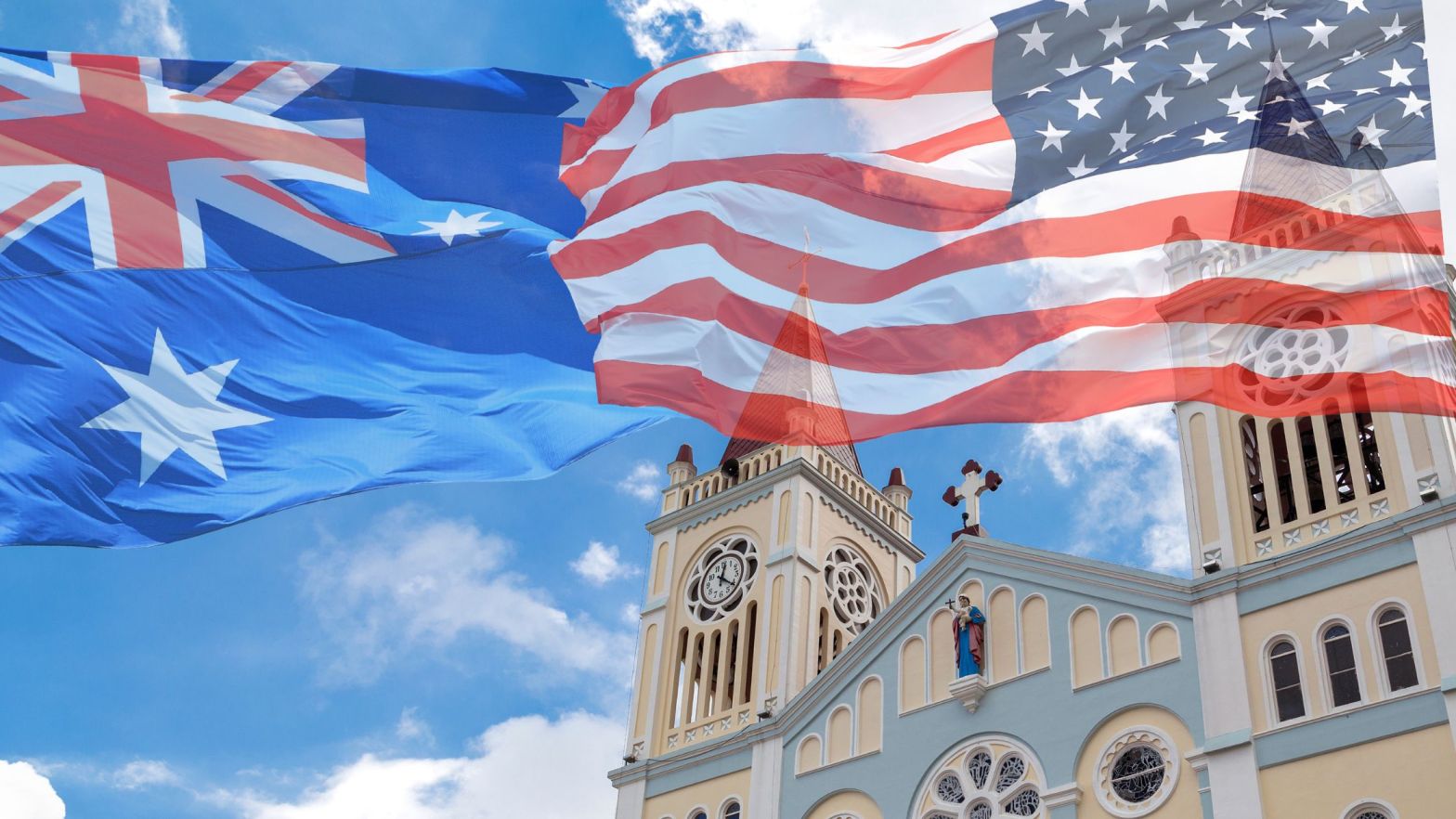
The Catholic Church may not hold seats in parliament or Congress, but its presence is undeniable—and often underestimated. With a reach that spans centuries, continents, and communities, the Church remains one of the most enduring institutions in Western society. In both Australia and the United States, its political influence is not only historic—it’s deeply current, woven into legislation, leadership, and the moral fabric of public discourse.
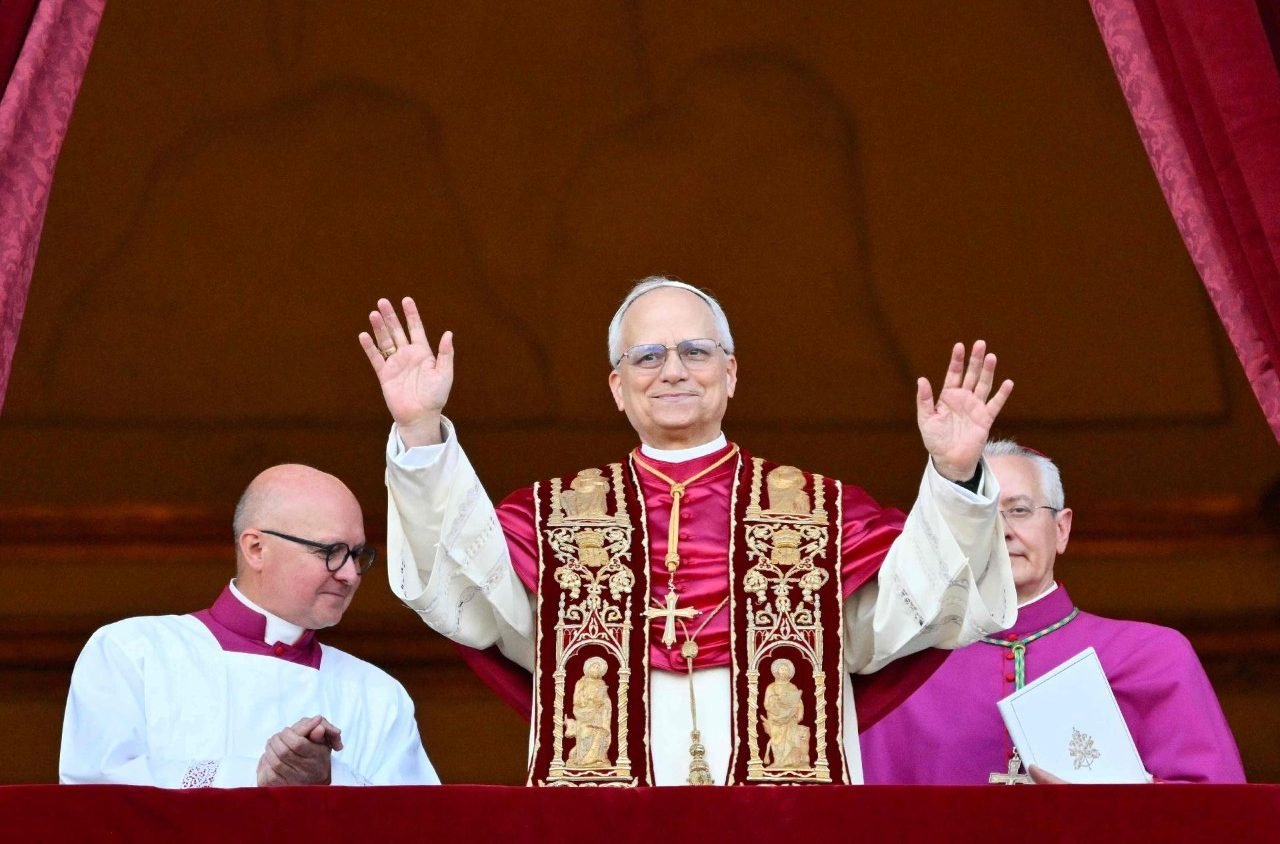
The election of Pope Leo XIV—an American-born pontiff with roots in Latin American missionary work and a background in mathematics—has ushered in a moment of profound symbolic weight for the global Catholic Church.

 Robert Parsons