
Explore the Prince Andrew scandal with Epstein and Maxwell—uncovering royal power, privilege, and the hidden networks shaping influence and control.
Tag Archives: Spirituality
The Shadow of Discipline: Hitler’s Catholic Roots and the Intergenerational Legacy of Neo-Nazi Ideology

What if the seeds of extremism aren’t sown in rage, but in reverence?
What if the structures we trust to shape virtue—faith, discipline, tradition—can also lay the groundwork for something darker?
The Catholic Church’s Political Power in Australia and the United States: Moral Authority in Modern Democracy
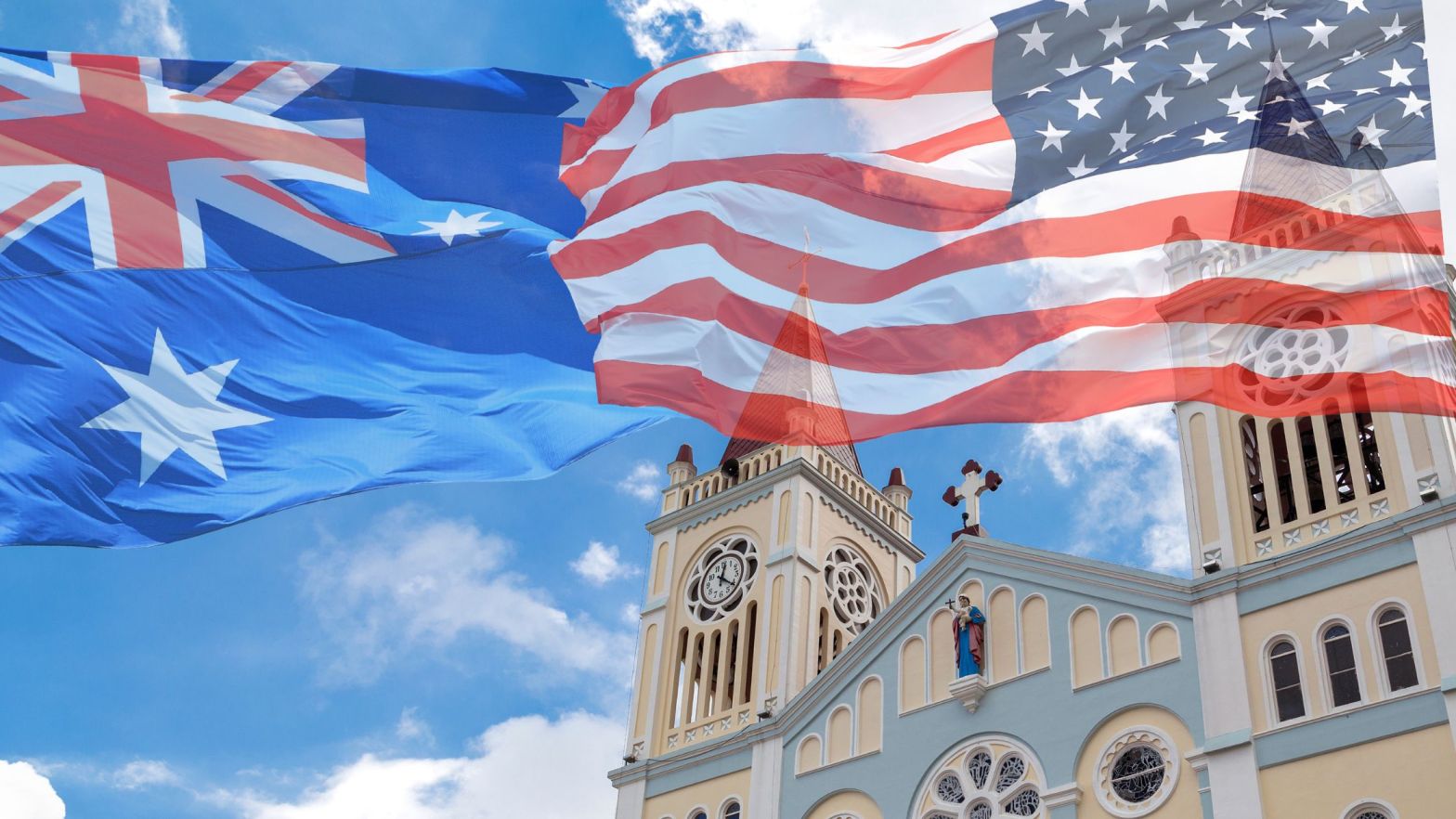
The Catholic Church may not hold seats in parliament or Congress, but its presence is undeniable—and often underestimated. With a reach that spans centuries, continents, and communities, the Church remains one of the most enduring institutions in Western society. In both Australia and the United States, its political influence is not only historic—it’s deeply current, woven into legislation, leadership, and the moral fabric of public discourse.
Faith in the Balance: Pope Leo XIV, Institutional Tension, and the Spiritual Inquiry of Joseph’s Letter
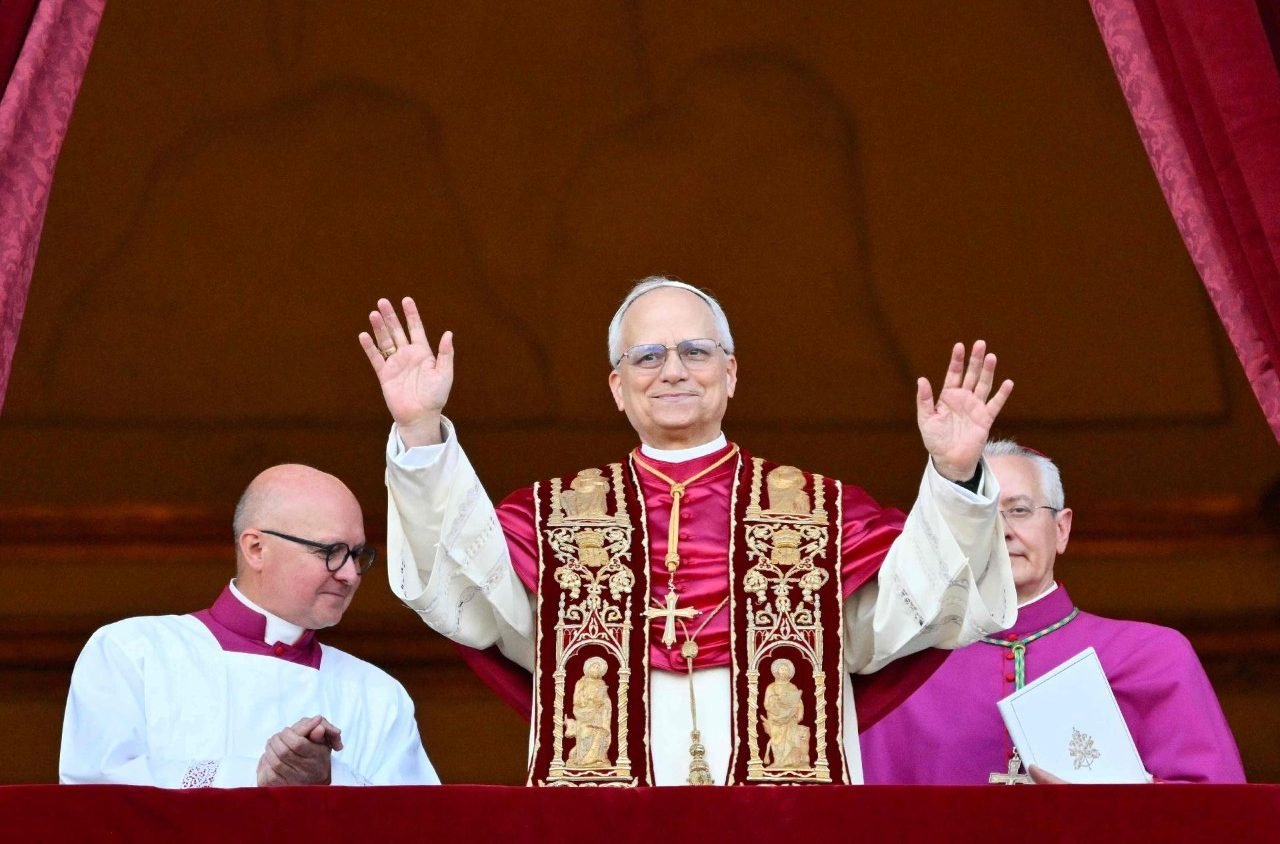
The election of Pope Leo XIV—an American-born pontiff with roots in Latin American missionary work and a background in mathematics—has ushered in a moment of profound symbolic weight for the global Catholic Church.
Resurrection and Reckoning: A Reflection on Joseph’s Letter

Explore how Joseph’s Letter invites a deeper kind of resurrection — one rooted in love, grief, and the quiet search for truth beyond religious ritual. What part of you is waiting to be reborn?
Faith or Indoctrination? The Fine Line in Religious Education

This post explores the tension between education and indoctrination, the role of rituals in reinforcing belief, and how critical thinking can be encouraged or stifled within religious schools.
Faith in the Classroom: How Catholic Education Shapes, Challenges, and Sometimes Harms Young Minds

This post explores the role of Catholic education, the ways religion is often treated as just another subject, and the lasting impact—both positive and harmful—that teachers can have on young students.
The Catholic Church and the Shadows of Abuse: Reckoning with History and Seeking Justice

This blog explores the history, key cases, institutional failures, and ongoing efforts for justice—while asking some difficult but necessary questions about the future of the Catholic Church and its moral standing in society.
Protecting People, Not Institutions: What Australia’s Royal Commission Revealed About Catholic Schools Globally
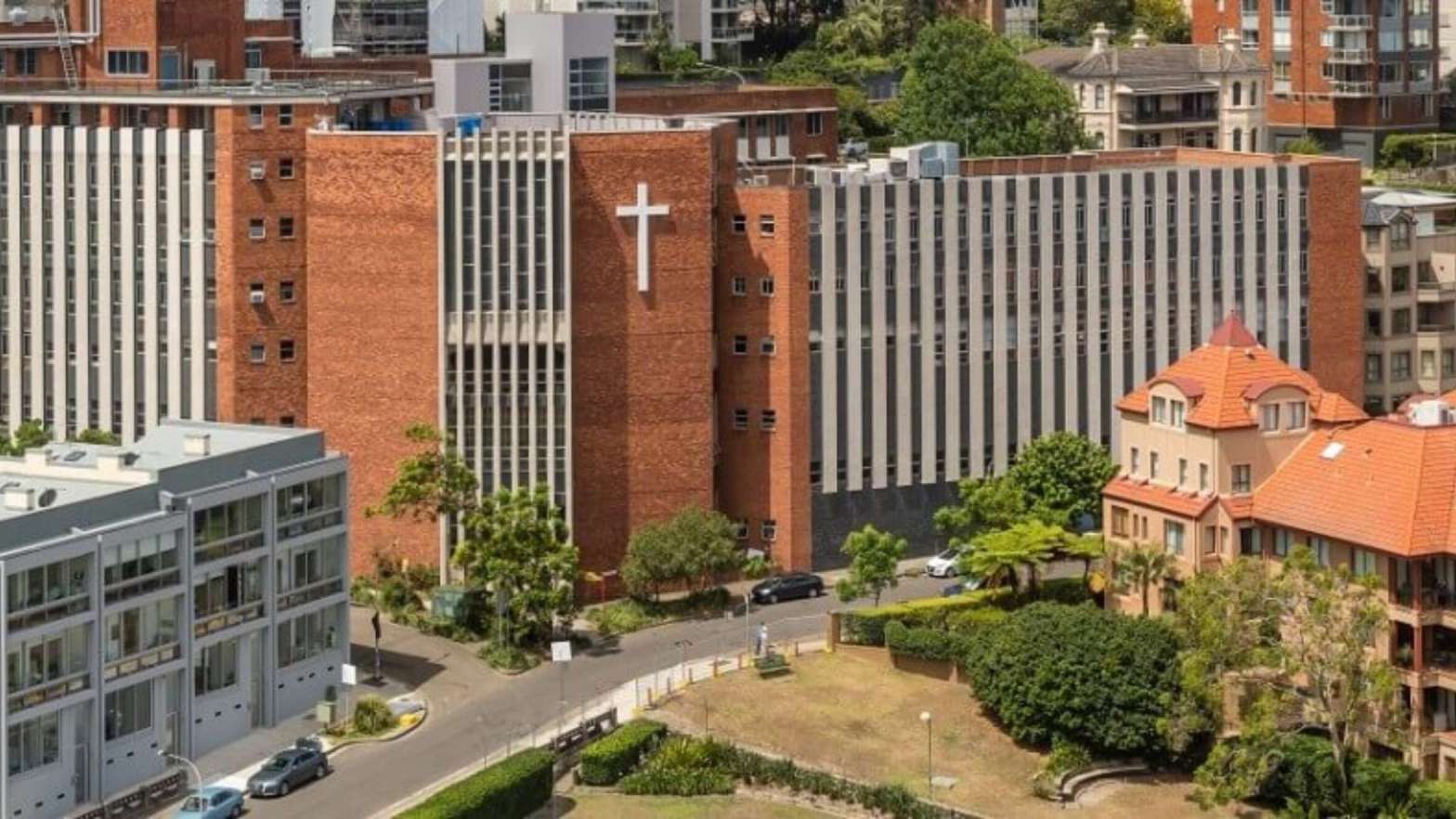
The lack of accountability within the Catholic school system and poses a crucial question—who do these schools truly serve? Do they prioritize the well-being of students, or do they act in the interests of the institution and its power?
Buried Histories: The Vatican’s Most Controversial Secrets

What does the Israeli-Palestinian conflict say about God?
If religion is meant to be a force for peace, why does it so often fuel war? And if God is just, how do we reconcile that with the suffering of tens of thousands of innocent people? As the conflict in Gaza intensifies, these questions are more pressing than ever.
 Robert Parsons